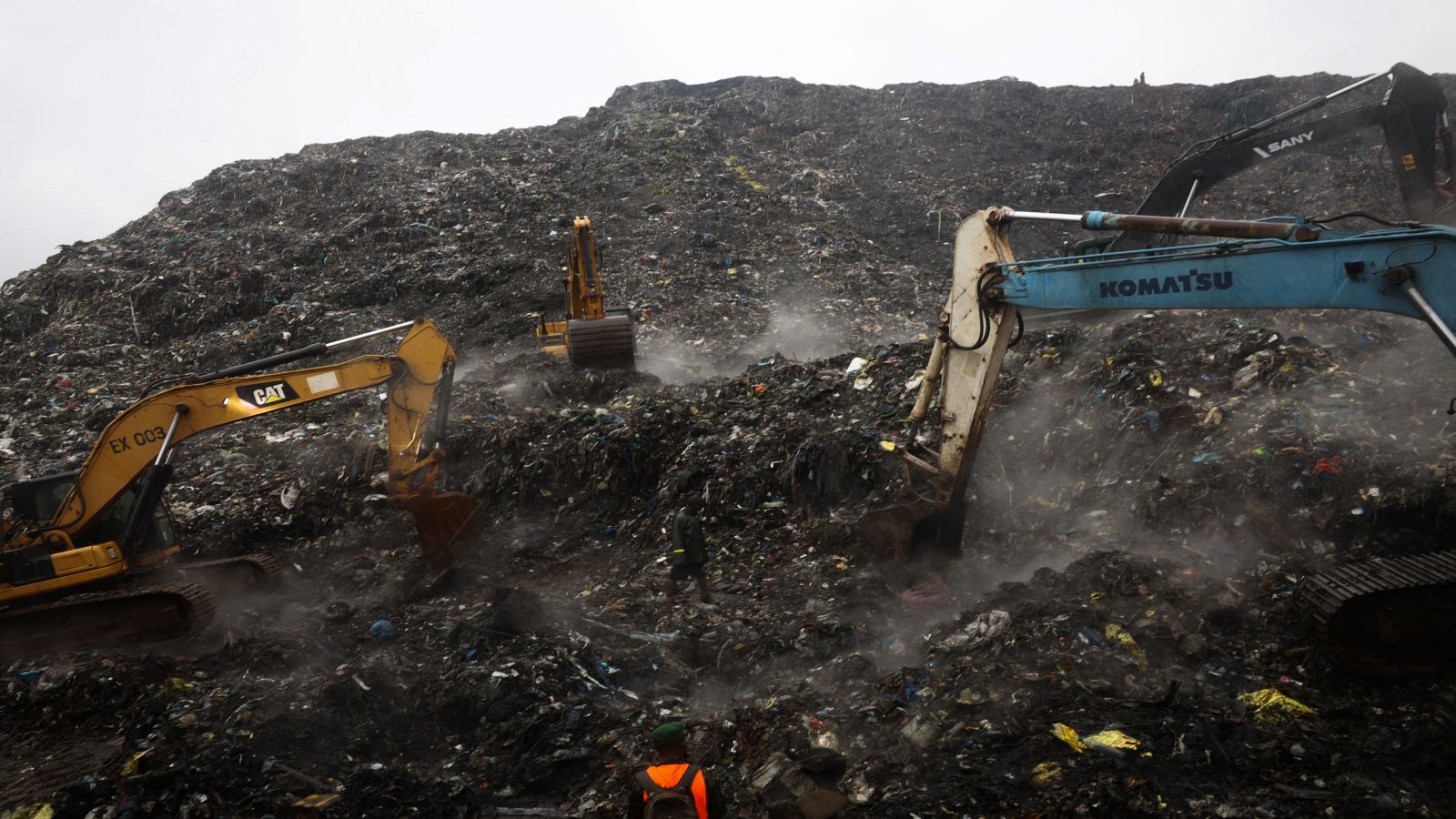
Twenty-two human beings are dead in Conakry. Buried alive under a mountain of rotting garbage at the Dar Es Salam landfill.
The mainstream press and local bureaucrats have rolled out their favorite script. They point their fingers at the sky. They blame the torrential downpour that started at three in the morning. They call it a natural disaster. An act of god. A tragic accident of weather.
It is a convenient lie.
Rain does not manufacture towering, unstable precipices of municipal waste. Pushing a city’s entire refuse production into an unengineered, unregulated dump for decades manufactures that. Ignoring human settlements crowding the base of an obvious environmental time bomb manufactures that.
I have seen urban planners wave away structural neglect with a shrug and blame the wet season. It is time to stop buying the alibi. The tragedy at Dar Es Salam is not a weather story. It is a failure of municipal governance masked as meteorology.
The Geography of Neglect
Let us look at the mechanics of what actually happened. When you stack unsorted urban waste vertically without compaction, leachate management, or terracing, you create a geotechnical disaster waiting for a trigger.
The Dar Es Salam site has been a known hazard for years. In 2017, a similar collapse killed people in the exact same area. Authorities knew the risks. They slapped eviction notices on the doors of residents living in the shadow of the trash mountain. They announced the site was finally scheduled for closure.
Then they did what bureaucrats always do. They waited until bodies were trapped under debris before treating an evacuation order with any real urgency.
Imagine a scenario where a private corporation operated a factory with a wall visibly buckling for a decade, ignored warnings, and then blamed a strong gust of wind when the roof collapsed on the workforce. Executives would face criminal charges. But when a government manages public land into a lethal hazard, the catastrophe gets filed under bad weather.
The Myth of the Accidental Slum
Another lazy narrative insists that impoverished residents simply chose to build shacks in a dangerous zone out of sheer recklessness.
People do not pitch tents next to a multi-story garbage dump because they lack imagination. They live there because rapid urbanization, skyrocketing land costs, and institutional abandonment leave them nowhere else to go. When the state fails to provide affordable housing or manage waste safely, the poor inherit the margins. They live on the slopes of the dump because the city pushed them there by default.
When officials claim they warned people to leave, they omit a vital truth. An eviction notice without a viable alternative relocation site is not safety policy. It is an administrative shield designed to blame the victim the moment the inevitable happens.
The Real Fix
If we keep calling these events natural disasters, we guarantee they will happen again. You cannot engineer your way out of a landslide with an umbrella.
Real reform requires abandoning the comfort of the weather excuse. Municipalities must stop treating waste management as out-of-sight, out-of-mind dumping grounds.
- Mandatory Engineering Standards: Open dumping must face total criminal liability. Every municipal refuse site needs proper grading, drainage diversion channels, and geotechnical monitoring long before saturation points turn trash into liquid mud.
- Proactive Relocation: Issuing a paper warning to impoverished communities without providing funded, habitable land is criminal negligence. Eviction must mean actual relocation, not a waiting game for a tragedy.
- Accountability Metrics: Tie the job security of urban planning ministers directly to the safety compliance of municipal infrastructure.
The rain stopped hours ago. The bodies are being counted. Stop blaming the clouds.
Stop waiting for the next mountain of trash to slide.