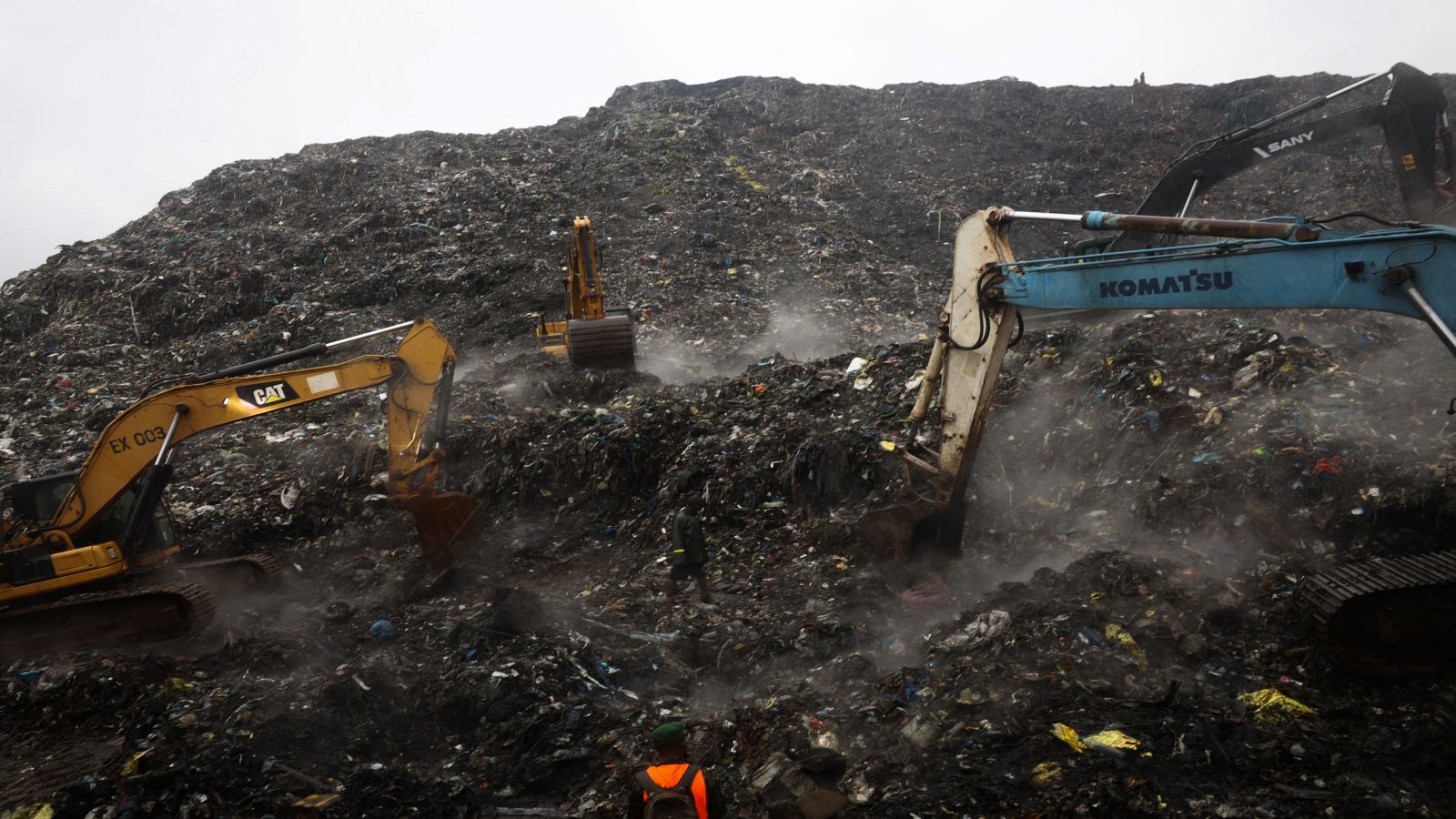
Thirty people are dead. Shacks and tents crushed in the middle of the night.
When a massive mountain of waste collapsed at the Dar Es Salam landfill in Conakry, Guinea, it wasn't just a freak act of nature. Torrential rain triggered the disaster around two in the morning, burying homes under tons of refuse. But this tragedy highlights deep systemic failures that go far beyond a single stormy night.
The Anatomy of the Conakry Disaster
The numbers coming out of Guinea's capital paint a grim picture. Alongside the thirty confirmed fatalities, six people sustained serious injuries, and sixteen more suffered minor ones. Emergency responders and heavy excavators rushed to the scene, digging through unstable debris where witnesses noted the pile was massive enough to swallow entire apartment buildings.
Heavy monsoon-style rains washed over the open-air dump site, turning compressed refuse into a lethal sludge avalanche. For families living in the precarious dwellings hugging the perimeter of the dump, there was virtually no warning and no escape.
Ignored Warnings and Chrono-Crisis Planning
Here is what makes this catastrophe so frustrating. The government knew the risk.
Just days before the collapse, officials announced plans to close the Dar Es Salam site entirely because of the severe hazards it presented during the rainy season. Eviction notices had been issued, and local authorities urged residents to clear out.
Yet, telling impoverished communities to leave an area without providing viable, safe alternatives rarely works. Economic pressures force people to stay near hazardous zones because proximity to the city offers the only means of daily survival. Clear-cut eviction notices don't magically build new housing.
Opposition figures and local leaders have pointed out the glaring gaps in execution. Officials identified the threat, scheduled a closure, but failed to ensure people were actually out of harm's way before the weather turned deadly.
The Broader Reality Behind the Headlines
To understand why people were living next to a towering mountain of trash in the first place, you have to look at the broader economic landscape of Guinea.
The country sits on staggering wealth. It holds the world's largest bauxite reserves alongside massive deposits of gold, diamonds, and iron ore. Yet, wealth at the national level hasn't translated to infrastructure or safety for everyday citizens. World Bank figures show that a massive portion of the population continues to struggle below national poverty lines. Rapid urbanization, combined with weak municipal planning, forces vulnerable populations into hazardous informal settlements around industrial zones and waste sites.
Landfills across fast-growing West African cities face immense strain. They aren't engineered properly, they lack modern environmental controls, and they grow into towering, unstable artificial cliffs. When seasonal rains hit, these unmanaged slopes become ticking time bombs.
Prime Minister Amadou Oury Bah and other top officials visited the wreckage, promising medical care for the injured and relocation assistance for displaced families. But for the families who lost everything in the dark hours of Sunday morning, relief arrives far too late. Accountability now rests on whether authorities will permanently overhaul urban waste management or simply move the danger to another marginalized neighborhood.