The air in the carpet shops of Isfahan and the humming server rooms of Northern Virginia carries a shared, heavy silence. It is the silence of a breath held too long. For decades, the relationship between the United States and Iran has been defined by the scream—the rhetoric of "Great Satans" and "Axis of Evil," the roar of ballistic tests, and the sharp crack of economic sanctions hitting the street level. But lately, the volume has shifted. We are living through a fragile, unspoken ceasefire, a temporary lull where the primary objective isn't winning. It is simply not breaking.
Imagine a merchant named Reza. He sits in a small shop tucked away from the main tourist drags, surrounded by silk rugs that represent years of meticulous, finger-bleeding labor. Reza doesn't care about the nuances of centrifuge enrichment levels or the specific wording of a UN resolution. He cares about the price of tea, the cost of imported medicine for his mother, and whether the digital payment systems will remain frozen by Western sanctions for another decade. To him, a "ceasefire" isn't a military term. It is the difference between a life of dignity and a life of desperate scavenging.
Thousands of miles away, an analyst in a windowless office in D.C. stares at a satellite feed. They are looking for movement in the shadows—a convoy heading toward a border, a flicker of activity at a nuclear site. This analyst knows that a formal deal is the gold standard, the "Grand Bargain" that has eluded every administration since the 1979 revolution. Yet, they also know that in the current climate, a formal deal is a political death sentence for leaders on both sides. So, they settle for the quiet. They settle for the absence of catastrophe.
The Weight of the Status Quo
The current reality is a messy, unwritten agreement to stay below the threshold of total war. It is a dance on a wire. Iran slows down its accumulation of highly enriched uranium; the U.S. looks the other way as a bit more oil slips onto the global market. It is transactional, cynical, and deeply human.
The problem with a ceasefire that refuses to become a deal is that it has no roots. It is a house built on sand during a hurricane season. For the United States, the stakes involve global non-proliferation and the stability of energy markets. For Iran, the stakes are existential survival and the preservation of a revolutionary identity that is increasingly at odds with its own youth.
Consider the "informal" nature of these arrangements. When a treaty is signed, it is etched into the law of nations. When a "hush-hush" understanding is reached, it can be undone by a single drone strike, a rogue commander, or a change in the political wind in Washington or Tehran. We are betting the stability of the Middle East on the hope that nobody trips.
The Ghost of 2015
To understand why a new deal feels impossible, we have to talk about the trauma of the old one. The Joint Comprehensive Plan of Action (JCPOA) was the high-water mark of diplomacy. It was a technical masterpiece, a document so dense it could stop a bullet. But it lacked one thing: domestic permanence.
When the U.S. walked away in 2018, it didn't just kill a policy. It killed trust. In the bazaar, in the government offices of Tehran, and in the minds of hardliners, the lesson was clear: America’s word is only as good as the current president’s term. That scar is deep. It dictates every move the Iranian negotiators make today. They aren't just looking for economic relief; they are looking for "guarantees" in a world where guarantees don't exist.
On the American side, the political cost of "concessions" has become astronomical. To offer Iran a path back into the global economy is to be labeled "weak" by an opposition that views any engagement as a betrayal. This is the domestic cage. Leaders on both sides are trapped by the very monsters they spent forty years creating in their state-run media and campaign ads.
The Human Cost of the Waiting Room
While the politicians calculate the optics, the human element continues to erode. Sanctions are often described in the West as a "surgical" tool. They are anything but. They are a blunt instrument that crushes the middle class while the elites find ways to bypass the restrictions.
In Tehran, a young software developer dreams of working for a global firm, but her IP address is blocked. Her bank account is a black hole. She is a digital ghost. In the U.S., a family pays more at the pump and wonders why the world feels like it's perpetually on the brink of a fire. These aren't just "economic indicators." They are the friction of a world that refuses to integrate.
The "ceasefire" allows for a trickle of humanitarian goods, but it doesn't allow for a future. It is a waiting room. And the longer you sit in a waiting room, the more the resentment builds.
The Nuclear Clock
Let's look at the cold, hard numbers. Iran's breakout time—the time it would take to produce enough fissile material for a nuclear weapon—has shrunk from months under the old deal to a matter of weeks or even days. This is the ticking clock that makes the current "quiet" so deceptive.
The U.S. cannot ignore this. Iran cannot un-learn the technical knowledge it has gained while the deal was in shambles. This is the "knowledge gap" that no amount of diplomacy can fully erase. Even if we returned to the 2015 terms tomorrow, the world is different. The centrifuges are faster. The enrichment levels are higher. The leverage has shifted.
If the ceasefire holds, we avoid the war of today. But without a deal, we are merely financing the war of tomorrow.
The Shadow Players
The dialogue isn't just between D.C. and Tehran. There are the neighbors. Israel sees a nuclear Iran as an existential threat that no amount of paperwork can solve. The Gulf states see an Iran flush with oil money as a regional hegemon that will fund proxies from Yemen to Lebanon.
These players have their own agency. They can break the ceasefire even if the main protagonists want to keep it. A "deal" would ideally bring these regional concerns into the fold, but the "ceasefire" leaves them out in the cold, watching nervously and ready to strike if they feel the U.S. is being too "soft" or Iran is being too "bold."
This is why the current calm feels like the eye of a storm. It is peaceful, but the walls of the hurricane are visible on the horizon.
Why We Can't Just Walk Away
Some argue for "Maximum Pressure," the idea that if we just squeeze hard enough, the system will collapse. History suggests otherwise. Systems under pressure often harden. They find new partners—Russia, China—and they build "resistance economies." The squeeze doesn't lead to a white flag; it leads to a cornered animal.
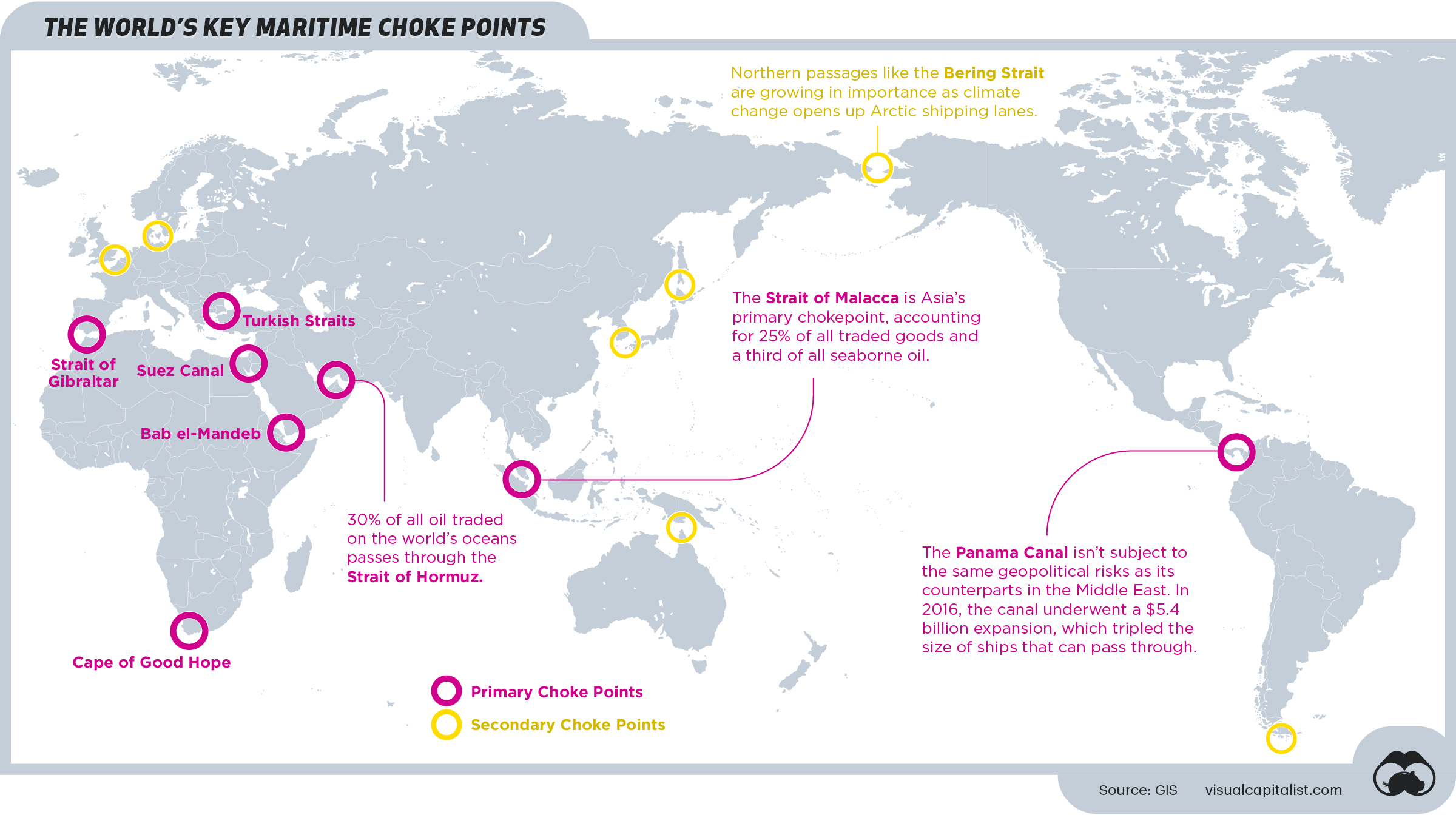
Others argue for a total pivot, to leave the Middle East to its own devices. But the global economy is still tied to the Strait of Hormuz. A single spark there sends shockwaves through every stock exchange on the planet. We are tethered to this conflict whether we like it or not.
The Art of the Small Step
Since the "Grand Bargain" is currently a fantasy, the only path forward is the grueling, unglamorous work of small steps. It is the release of prisoners. It is the unfreezing of specific funds for food and medicine. It is the "de-escalation" of proxy attacks in Iraq or Syria.
These aren't victories. They are maintenance.
It's like a marriage where the partners no longer speak but agree to keep the house clean for the sake of the children. It is functional, but it is cold. And it is exhausting.
The tragedy of the US-Iran relationship is that both sides are experts at the "No." They know exactly what they won't accept. They are far less certain of what they can live with. The ceasefire is the space where they are trying to figure out if "living with it" is enough.
The Invisible Stakes
If this ceasefire fails, the alternative isn't just a return to sanctions. It is a slide toward a regional conflict that would dwarf anything we've seen in the last two decades. It would involve cyberwarfare that could shut down power grids in major cities. It would involve maritime conflicts that could freeze global trade.
The stakes aren't just "nuclear." They are the very infrastructure of our modern, interconnected lives.
Reza, in his carpet shop, knows this instinctively. He knows that his world is held together by a thin, invisible thread of restraint. He watches the news not for headlines of peace, but for the absence of headlines about explosions.
We are currently in a period of managed hostility. It is a cynical, fragile, and deeply frustrating state of affairs. But for the people on the ground—the students in Tehran, the soldiers in the Persian Gulf, the families worried about the future—the "Art of Not Breaking" is the only thing standing between them and the abyss.
There is no soaring music here. No triumphant signing ceremony on a sun-drenched lawn. There is only the quiet, desperate hope that tomorrow remains as boringly, tensely peaceful as today.
In the end, the ceasefire isn't the bridge to a deal. It's the only thing keeping the bridge from collapsing entirely. We are not moving toward a solution; we are merely refusing to fall. Sometimes, in a world on fire, that has to be enough.
The silk rug in Reza's shop took three years to weave. Tens of thousands of tiny, individual knots, each one essential, each one holding the others in place. Diplomacy is much the same. It is a slow, grueling process of tying knots. One mistake, one loose thread, and the whole pattern begins to unravel. We are currently staring at a half-finished rug, wondering if we have the patience to finish the pattern or if we’ll simply take the shears to the loom and call it a day.
The shears are sharp. The loom is old. And the weaver is very, very tired.