The clinic door does not lock. It simply stands ajar, swaying slightly with the equatorial breeze, because there is no one left inside with the authority or the time to turn the key.
On the wooden desk sits a clipboard with yesterday’s tally marks. Four names. Four lives measured in ticking hours, charted in blue ink that is already fading under the humid glare. Outside, the dirt road stretches toward the tree line, silent save for the occasional buzz of a blowfly and the distant, rhythmic chopping of wood. In an ordinary village, that sound means dinner is coming. Here, in the eastern stretches of the Congo, it often means someone is carving a box out of mahogany planks before the sun goes down.
We talk about outbreaks in numbers. We tally cases like storm damages, plotting curves on graphs that look neat and sterile when viewed from air-conditioned offices thousands of miles away. But a curve is just a graveyard drawn with a ruler. The reality on the ground is messier, quieter, and far more desperate. Right now, the World Health Organization is issuing warnings about a cascading crisis: Ebola is slipping its leash, not because the virus has suddenly mutated into some mythical monster, but because the human shield holding it back is crumbling from sheer exhaustion.
To understand what is happening, you have to look past the hazard suits. You have to look at Dr. Mukendi.
(Note: Dr. Mukendi is a composite figure, built from the documented testimonies of frontline physicians working through successive outbreaks in North Kivu and Ituri.)
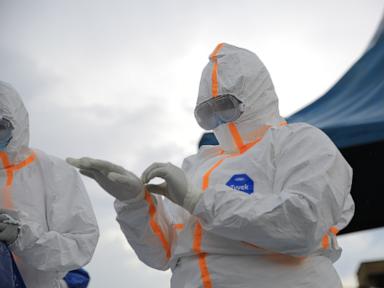
He has not slept more than three hours at a stretch in six days. His boots are caked in mud that has dried, chipped, cracked, and mixed with fresh mud a dozen times over. He knows the weight of achlorinated sprayer better than he knows the weight of his own children’s hands. When he steps into the red zone—that invisible, terrifying perimeter where the air itself feels heavy with contagion—he does not feel like a hero. He feels like a man trying to bail out the ocean with a cracked teacup.
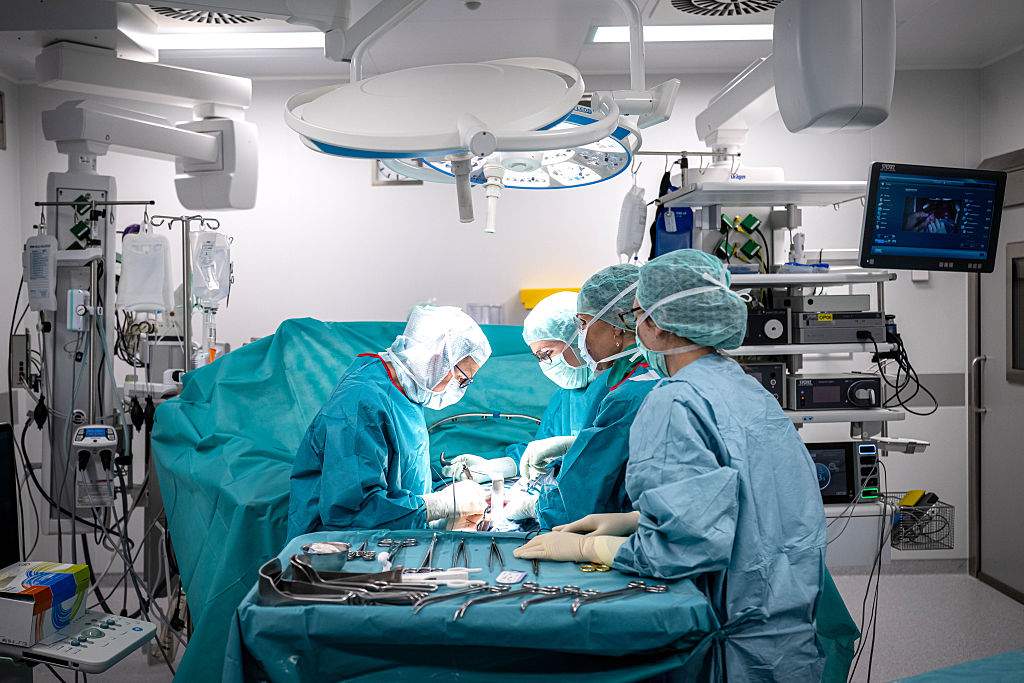
The math of an epidemic is unforgiving. A single patient infected with the Zaire ebolavirus requires an army of care. You need triage nurses, contact tracers who can walk into hostile villages without provoking panic, lab technicians to run blood panels, logicians to secure cold chains for experimental vaccines, and community mobilizers who speak the subtle dialects of distrust. You need people who can look a mother in the eye when she wants to bury her child according to custom, and convince her that love right now means letting strangers in white plastic wrap take the small body away.
When you run short of those people, the disease wins. Not because it is clever, but because it is patient.
Ebola thrives in vacuums. Every time a health worker collapses from exhaustion, every time a clinic closes its doors because the payroll ran out or the threats from frightened locals grew too loud, the perimeter shrinks. The virus steps into that empty space. It moves quietly from hut to hut, carried by well-meaning relatives tending to the sick without gloves, washing linens in the local river, holding a dying hand because there is no one left to tell them not to.
We often imagine medical workers as immutable pillars, fixed and stoic against the tide. But they bleed. They catch malaria. They break ankles in potholes on remote patrol routes. They suffer from a profound, crushing moral injury born of triage—having to choose which village gets the last team of vaccinators while knowing the neighboring valley will burn.
And then there is the fear. It is a rational, biological terror. Imagine walking into a room where invisible particles mean certain, agonizing death if your seal slips by a millimeter. Imagine doing that shift after shift, month after month, while rumors swirl in the market that the doctors themselves are bringing the sickness. In some districts, health workers have been stoned. Their clinics have been torched. They go to work knowing that the community they are trying to save might turn on them in a spasm of collective panic.
Yet they keep walking down the road. Until they can't.
The shortage we are facing in the Congo is not a sudden accident of geography. It is the cumulative toll of chronic underinvestment meeting an relentless biological reality. For decades, the health infrastructure in these regions has been patched together with string and temporary international aid grants. When a crisis flares, planes land, money flows, and white tents sprout in the red dirt. When the numbers drop off the front pages, the planes leave. The tents rot in the sun. The local nurses go unpaid for months, forced to farm their own plots just to feed their families, leaving clinics unattended.
Then the virus returns. And we act surprised that the doors are unmanned.
Consider what happens when a community loses its last trusted nurse. It is not just the loss of medical skill; it is the snapping of a cultural anchor. In rural Congo, the nurse is often the teacher, the counselor, the peacemaker, and the healer rolled into one. When that person dies or flees, the vacuum is filled by rumor, quackery, and ancient fears. People hide their sick. They turn away from the treatment centers, viewing them not as places of healing, but as terminal waiting rooms where loved ones vanish behind plastic sheeting, never to be seen again except as ash.
That is the true engine of the epidemic. Not just the virus in the blood, but the isolation in the heart.
Fixing this requires more than emergency shipments of personal protective equipment. It requires an admission that you cannot fight a biological war with temporary mercenaries. You have to build an indigenous, permanent fortress of care. That means paying salaries that arrive on time. It means providing psychological trauma support for people who have watched entire wards empty into graves. It means training the young people of Beni and Goma and Butembo to take up the stethoscope, giving them a stake in their own survival so they do not have to flee when the sirens start.
Back at the clinic with the swaying door, the afternoon heat is pressing down like a physical weight.
A motorcycle sputters on the gravel outside. A young man cuts the engine, the dust settling around his boots in a pale cloud. He doesn't look like an epidemiologist or a WHO delegate. He looks like a college student who has missed too many meals. He carries a battered aluminum case containing cold-chain samples and a notebook full of names scribbled in pencil.
He walks up the steps, nods to the empty desk, and sits down. He picks up the blue pen, looks at the blank line below yesterday’s four names, and begins to write.
The sun dips below the canopy, casting long, bruised shadows across the valley. The forest is quiet. Somewhere out there, the virus is moving in the dark. But so is he.