For decades, standard medical advice for reducing the risk of ovarian cancer during other pelvic surgeries focused entirely on keeping as much of the reproductive system intact as possible. Times have changed. Major medical organizations, including the American College of Obstetricians and Gynecologists, now recommend that people who are finished having children remove their fallopian tubes during routine pelvic surgeries like hysterectomies or even tubal ligations.
The medical consensus shifted because researchers discovered where a massive percentage of high-grade serous ovarian cancers actually start. Spoiler alert: it's rarely the ovaries.
The Location Mistake That Changed Everything
Medical researchers spent decades assuming ovarian cancer originated in the surface cells of the ovaries. It makes sense on the surface. That is where the tumors grow large and cause problems. But when pathologists started examining early-stage cancers and tissues removed from high-risk patients carrying BRCA gene mutations, they found something unexpected.
The abnormal cells weren't forming on the ovary at all. They were originating in the fallopian tubes, specifically in the fimbriae—the fringe-like ends that drape over the ovaries to catch eggs during ovulation.
Think of the fallopian tubes as a conveyor belt for precancerous cells. These cells shed from the lining of the tube, drop onto the ovary, and take root there. By the time doctors spot a tumor on an ovary, the cancer has often spread from its tiny origin point in the tube.
Removing the ovaries causes early menopause, which brings its own cascade of health concerns, including bone density loss and cardiovascular risks. Removing just the fallopian tubes—a procedure called a bilateral salpingectomy—prevents cancer while leaving the ovaries alone to produce essential hormones. You get the cancer-blocking benefit without throwing your endocrine system into chaos.
What the Procedure Actually Entails
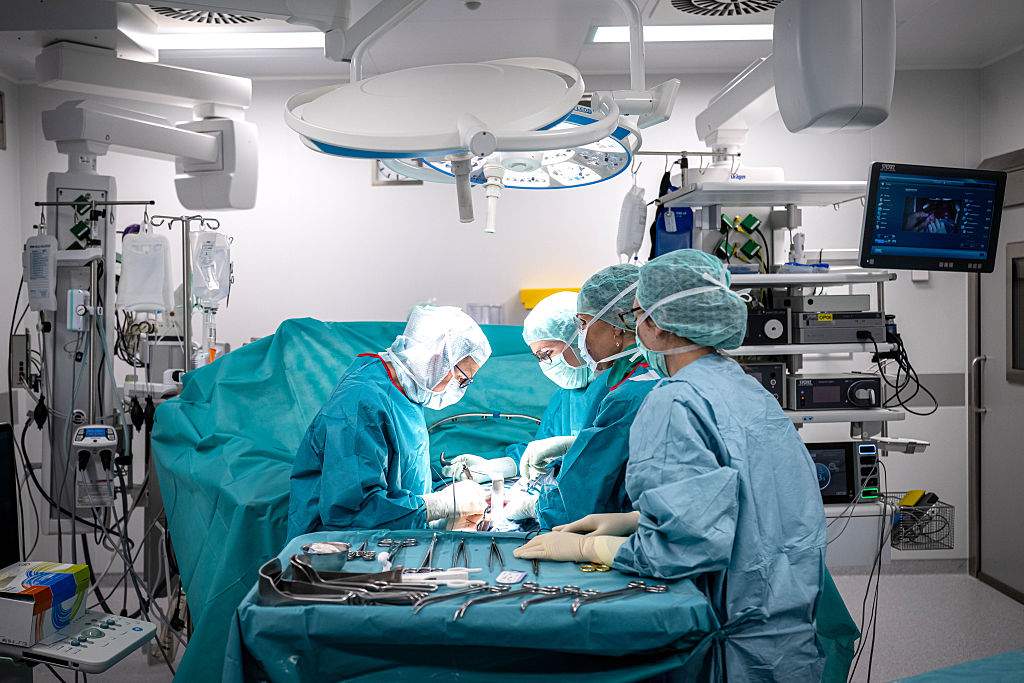
If you are already scheduled for a pelvic surgery, adding a salpingectomy usually only takes a little extra time. Surgeons use minimally invasive laparoscopic techniques. They make tiny incisions in the abdomen, insert a camera and specialized tools, seal and cut the tubes, and remove them through the small ports.
Recovery time mirrors a standard laparoscopic procedure. Most people go home the same day and return to normal non-strenuous routines within a week or two.
It is important to understand that removing the fallopian tubes is permanent. You cannot reverse a salpingectomy. If you choose this path, your biological pathway for natural pregnancy is gone. That is why doctors emphasize that this is an option for individuals who have completed their families or who know they do not want biological children.
Navigating the Conversation With Your Care Provider
Bringing this up with your gynecologist can feel intimidating, especially if you are used to doctors making the final call without much input from the patient. You don't have to wait for your doctor to bring it up.
If you have a scheduled hysterectomy, or if you are looking into permanent birth control, ask a direct question: "Can we include an opportunistic salpingectomy in this procedure?"
Surgeons use the term "opportunistic" because they are taking advantage of an existing surgery to remove tissue that you don't strictly need once childbearing years are done. Many insurance providers cover the addition of the procedure when it is paired with another approved surgery, though you should always check your specific policy beforehand to avoid surprise bills.
Medical guidelines evolve because science gets better at tracing diseases back to their true origins. Recognizing that ovarian cancer often starts in the fallopian tubes is one of the most significant shifts in women's health in recent years. Talk to your healthcare provider, weigh your family planning goals, and decide if removing your fallopian tubes makes sense for your long-term health strategy.