The operational restriction placed on the Israel Defense Forces regarding its theater of operations in Lebanon represents a tactical pause rather than a strategic pivot. While political directives have constrained immediate kinetic expansion into the dense urban infrastructure of Beirut, the underlying structural drivers of the conflict remain completely unaddressed. The current equilibrium is defined by an asymmetrical enforcement framework that maximizes political leverage for external actors while failing to resolve the fundamental security architectures on the ground.
To decode the current operational reality, the theater must be viewed not through the lens of a conventional truce, but through a rigid cost function that balances diplomatic pressure from Washington against the baseline security requirements of the Israeli defense establishment. You might also find this connected article useful: The Mechanics of Sub-National Supply Chain Asymmetry: Military Fuel Interdiction and Civilian Rationalization in Crimea.
The Tri-Border Equilibrium Framework
The suspension of major strikes north of the Zahrani River operates within a three-part structural dynamic that dictates the limits of military execution.
- The Sovereign Defense Exemption: Under the negotiated terms established during the multilateral direct talks, the formal cessation of hostilities preserves an explicit right to immediate self-defense. This clause functions as a flexible legal mechanism. The defense establishment interprets this as an ongoing mandate to execute pre-emptive or responsive strikes against active infrastructure, meaning kinetic engagements persist despite formal restrictions.
- The Ten-Kilometer Buffer Constrained: The operational focus has narrowed to a unilaterally declared security zone comprising approximately 6% of Lebanese territory. By enforcing a "Forward Defence" zone, the state apparatus seeks to permanently alter the demography and military geography south of the Litani River. The operational directive is clear: establish an absolute exclusion zone for non-state actors while shifting the primary target profile from broad infrastructure to mobile drone assets and anti-tank guided missile positions.
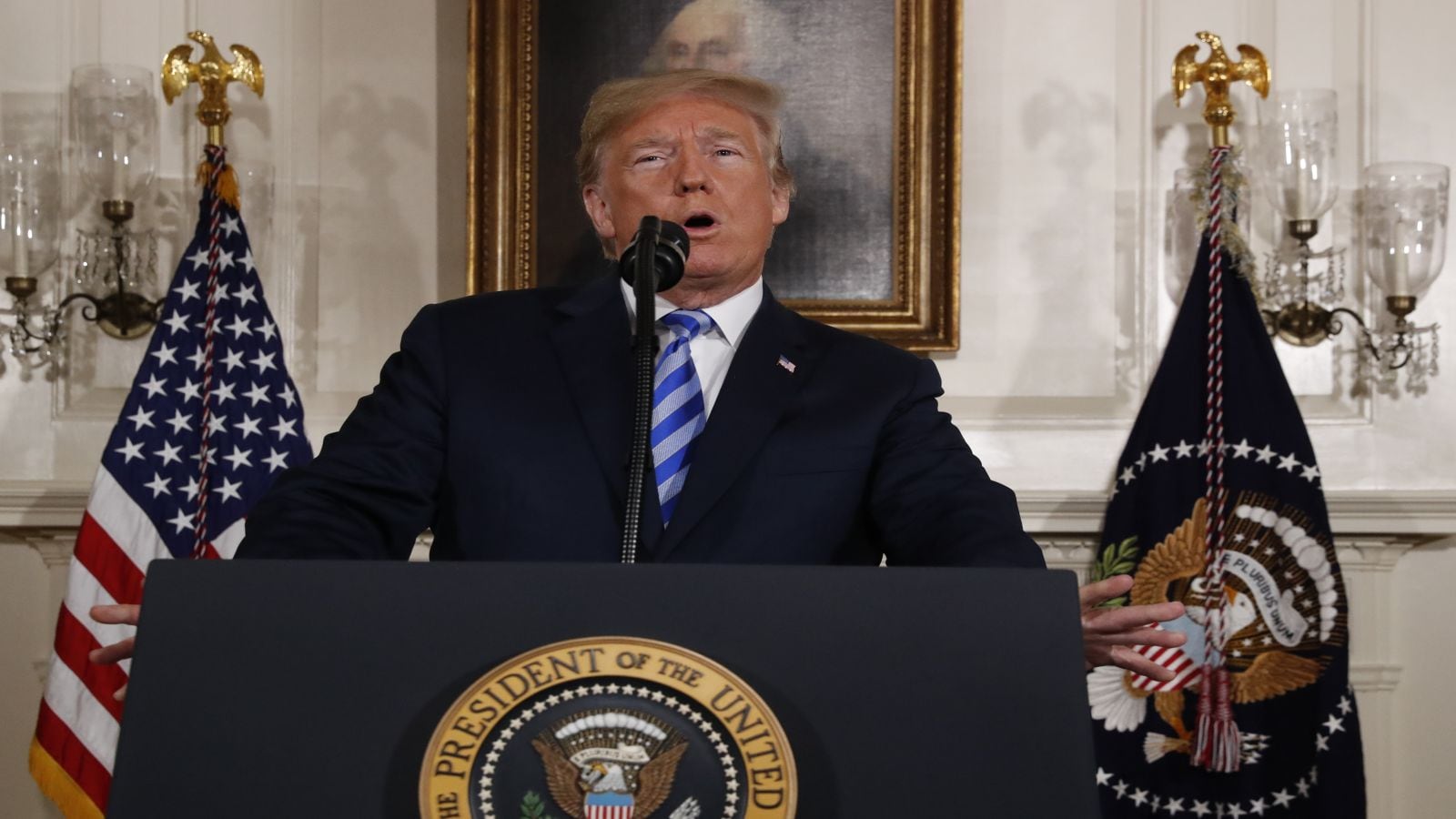
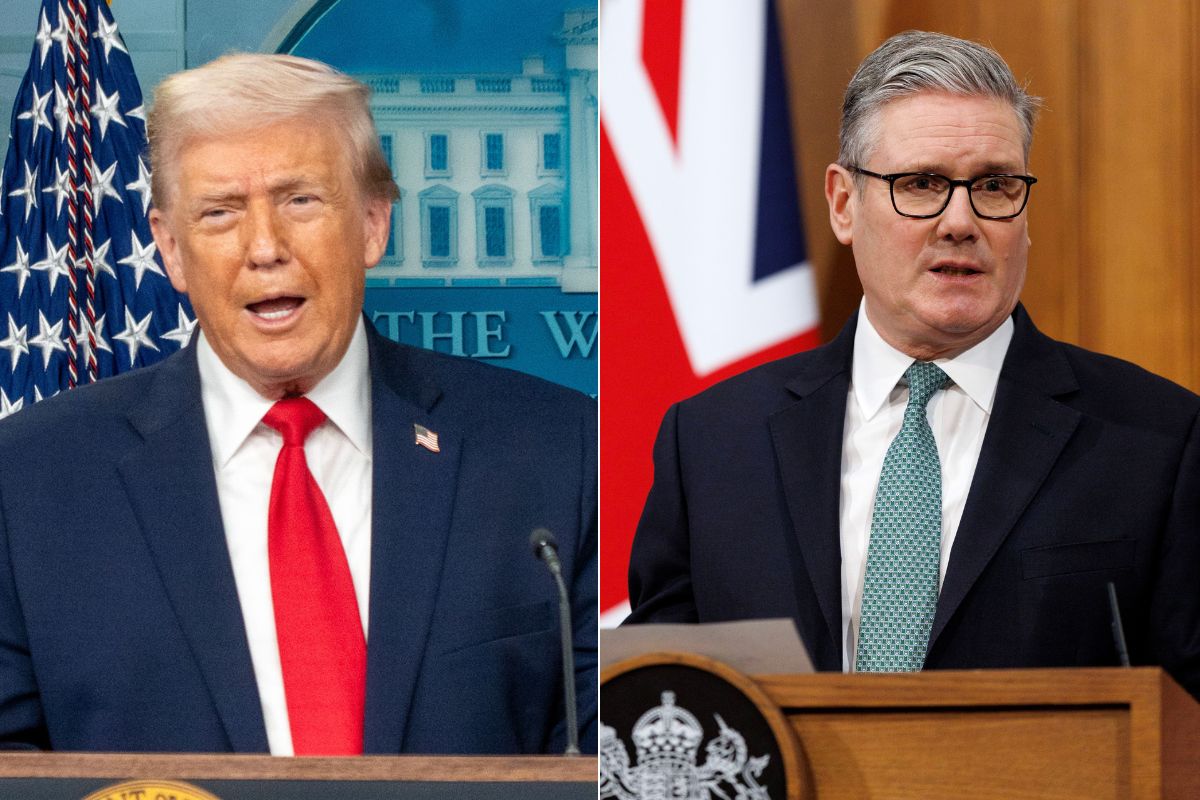
- The External Diplomatic Bottleneck: The primary constraint on deep theater operations is not logistically driven, but diplomatic. Pressure from the Trump administration to preserve a wider regional memorandum of understanding with Tehran directly penalizes escalation in metropolitan centers. Consequently, tactical restraint in Beirut is the currency used to purchase operational freedom inside the southern border zone.
The Strategic Asymmetry Bottleneck
The structural flaw in the current management framework lies in the misalignment of strategic objectives between the primary combatants. The Lebanese Armed Forces are tasked with expanding state authority into "pilot zones" to the exclusion of non-state actors. However, this deployment suffers from a severe capabilities gap. The national military lacks the kinetic enforcement capacity to disarm entrenched elements, creating an immediate security vacuum. As extensively documented in recent articles by The Guardian, the results are worth noting.
This structural deficit forces the conflict into an asymmetrical pattern. The non-state guerrilla infrastructure rejects any operational distinction between southern operations and the rest of the sovereign state. By maintaining mobile tactical networks between the Litani and Zahrani rivers, the Badr Unit continues to funnel logistics and precise drone platforms into the immediate border area.
The primary tactical friction point has shifted away from conventional rocket barrages toward precise unmanned aerial vehicles. The deployment of these assets renders traditional defensive depth parameters obsolete. A restricted kinetic posture by the military against northern command hubs allows these localized drone networks to optimize their launch vectors, creating an unsustainable defensive tax on northern border communities.
The Enforcement Vector Limitation
The durability of this calculated restraint depends on two highly volatile variables. First, the internal political pressure within the governing coalition demands the absolute neutralization of the border threat prior to the upcoming legislative cycle. Any sustained drone penetration that inflicts casualties instantly devalues the diplomatic utility of the pause, making a rapid return to deep kinetic operations mathematically probable.
Second, the structural leverage applied via external economic channels—specifically the threats surrounding regional waterways and maritime transport routes—remains tied to total military withdrawal. Because the defense establishment views a complete withdrawal from the 10-kilometer buffer zone as an unacceptable risk to sovereign territory, the diplomatic framework contains an internal contradiction that cannot be sustained indefinitely.
The current directive to limit actions is a temporary reallocation of strategic capital. It maximizes political compliance with international mediators while intensely consolidating territorial control along the immediate perimeter. The structural drivers—the presence of parallel command structures, the capabilities gap of the state sovereign forces, and the influx of precise guidance systems—ensure that the operational pause functions merely as a reconstitution period before the inevitable breakdown of the current geographic restrictions. The defense establishment will maintain its forward footprint in the south, executing precise targeting cycles whenever defensive parameters are breached, effectively neutralizing the political intent of the restriction.