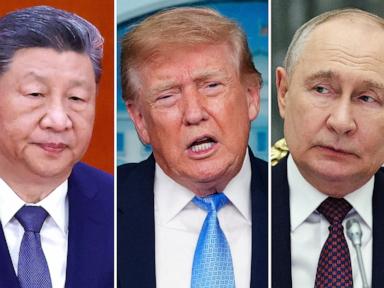
High-stakes bilateral summits between economic superpowers rarely produce structural breakthroughs. When US leadership meets top Chinese officials, public narratives often focus on immediate tariff adjustments or dramatic diplomatic gestures. However, evaluating these encounters through a rigid economic lens reveals that state-level negotiation outcomes are fundamentally constrained by domestic fiscal pressures, tech supply chain dependencies, and strategic security boundaries.
Understanding the true trajectory of US-China trade negotiations requires moving past sensationalized headlines to dissect the core analytical mechanisms driving both sovereign entities.
The Tri-Factor Constraint Model
Bilateral trade negotiations between asymmetric superpowers do not operate in a vacuum. Instead, negotiations are bound by a three-part constraint model that dictates the outer boundary of any viable deal:
- Domestic Fiscal Absorption: State leaders face hard limits on how much economic friction domestic industries can absorb. Agricultural exporters, semiconductor manufacturers, and industrial consumer markets react directly to trade intervention through margin compression and market share displacement.
- Supply Chain Decoupling Limits: Critical technology sectors—specifically semiconductor lithography, advanced computing hardware, and rare earth materials—exhibit structural inertia. Absolute supply chain separation introduces systemic inefficiencies and cost floor increases that neither economy can absorb rapidly.
- Geopolitical Guardrail Preservation: Beyond commercial metrics, national security imperatives regarding regional stability and sovereignty represent non-negotiable red lines. Trade concessions are regularly paused when they threaten foundational security postures.
┌──────────────────────────────────────────────────────────┐
│             SUPERPOWER DIPLOMACY FRONTIER                │
├────────────────────────────┬─────────────────────────────┤
│   Economic Interdependence │  Strategic Competition      │
│   • Market Access          │  • Tech Restrictions        │
│   • Tariff Reciprocity     │  • Regional Deterrence      │
└──────────────┬─────────────┴──────────────┬──────────────┘
               │                            │
               ▼                            ▼
     ┌────────────────────────────────────────────┐
     │   Tactical Equilibrium / Guardrail Focus   │
     └────────────────────────────────────────────┘
Deconstructing Negotiating Asymmetries
The structural friction observed in executive-level bilateral meetings stems from fundamentally misaligned strategic timelines.
       US STRATEGIC HORIZON                   CHINA STRATEGIC HORIZON
┌───────────────────────────────────┐   ┌───────────────────────────────────┐
│ • Electoral Cycle Dynamics        │   │ • Multi-Decadal Industrial Policy │
│ • Short-term Sectoral Relief      │   │ • Supply Chain Autonomy           │
│ • Immediate Market Access Wins    │   │ • Managed Tactical Stability      │
└───────────────────────────────────┘   └───────────────────────────────────┘
The US delegation typically operates on a short-term horizon heavily influenced by immediate domestic economic indicators and political cycles. Priority is given to visible, quantifiable concessions: immediate purchase quotas for agricultural commodities, targeted tariff reductions, and formal commitments on intellectual property enforcement.
Conversely, Chinese negotiators execute strategies framed around long-term industrial policy and state-guided economic resilience. Their primary objective in high-level summits is rarely to secure comprehensive free-trade concessions, but rather to achieve tactical stability—establishing functional guardrails that prevent sudden escalation while preserving space for long-term domestic technology development.
This asymmetry regularly results in outcomes that appear minimal on paper but serve distinct strategic purposes for both sides:
- Reciprocal Risk Reduction: Both administrations establish baseline communication channels to minimize miscalculation in high-risk zones.
- Sectoral Offloading: Tariff exemptions or targeted concessions are deployed dynamically to alleviate acute stress on specific domestic consumer or manufacturing segments.
- Strategic Ambiguity Maintenance: Key structural disputes—such as state subsidies for advanced technology sectors—are deliberately left open-ended, allowing each nation to maintain its core policy trajectory without triggering immediate retaliatory spirals.
Operational Execution for Corporate Strategy
For enterprise executives, supply chain managers, and market analysts, watching executive summits requires filtering political performance from structural economic policy. Relying on headline promises of "grand bargains" leads to misallocated capital and flawed risk modeling.
To navigate ongoing superpower competition, corporate decision-makers must implement three tactical adjustments:
- Dual-Track Supply Chain Structuring: Design sourcing networks capable of operating under split technical standards and regional regulatory regimes, ensuring operations remain resilient regardless of tariff shifts.
- Scenario-Based Margin Stress Testing: Model financial performance against sudden 10% to 25% tariff adjustments across primary component inputs, establishing clear trigger points for nearshoring or supplier diversification.
- Regulatory Compliance Isolation: Separate data infrastructure and intellectual property management by regional jurisdiction to prevent exposure to simultaneous US technology export controls and Chinese cybersecurity compliance rules.
Sustainable strategic planning does not depend on predicting when bilateral trade tensions will permanently resolve. It relies on building operational systems that remain profitable while structural competition persists.