You probably think your next car's price tag depends on steel tariffs, union wages, or battery minerals. Think again. Right now, massive server farms built to train artificial intelligence models are quietly swallowing up the exact same raw materials and components that keep modern vehicles rolling off the assembly line.
A major supplier for BMW recently sounded the alarm, warning that the breakneck expansion of AI data centres could slap an extra €1 billion onto European automotive production costs by 2027. That isn't pocket change. And if you're planning to buy a new car over the next two years, you're the one who will eventually foot that bill.
The Hidden Tug of War Over Copper and Chips
When Big Tech builds a hyperscale data centre, it doesn't just buy servers. It buys miles of heavy-duty copper wiring, high-grade electrical steel, transformers, and specialized semiconductors.
Sound familiar? It should. Modern cars—especially electric vehicles and plug-in hybrids—are basically rolling data centres wrapped in sheet metal.
An average gas-powered car uses around 20 kilograms of copper. An electric vehicle needs roughly 80 kilograms. Meanwhile, a single massive AI facility can devour tens of thousands of tons of the red metal just for power distribution and cooling systems. Mining companies can't simply flip a switch and double global copper output overnight. Permitting a new mine takes a decade or more.
So when tech giants with trillion-dollar market caps enter the market, they don't haggle over commodity prices. They buy whatever they need at whatever price it takes to get their AI clusters online first. Automakers, who operate on razor-thin margins compared to software companies, get left fighting over the scraps at inflated rates.
Memory Chips Are the Next Bottleneck
We all remember the brutal semiconductor shortage of 2021 and 2022 that left millions of half-built cars sitting in parking lots waiting for basic microcontrollers. That crisis mostly involved older, legacy chips.
The 2027 crunch looks different, and honestly, it's trickier to solve.
AI servers require massive amounts of High Bandwidth Memory (HBM) and advanced DRAM. Chipmakers like SK Hynix, Samsung, and Micron have naturally shifted their factory capacity toward these high-margin AI memory chips. Why wouldn't they? Tech firms pay a premium for them.
The catch is that modern automotive infotainment systems, driver-assistance cameras, and autonomous sensors rely on high-performance DRAM and NAND flash memory too. As wafer capacity gets locked up by cloud computing giants, automotive suppliers face longer lead times and steeper prices for the memory modules inside your dashboard.
How a €1 Billion Supplier Hit Reaches Your Driveway
When a tier-one BMW supplier warns of a €1 billion cost surge, they aren't talking about a theoretical accounting problem. Automotive supply chains run on strict, multi-year contracts. Suppliers lock in prices with automakers years before a vehicle actually hits the showroom floor.
If raw material and component costs spike unexpectedly because Microsoft, Google, or Meta bought up the global supply of electrical components, those suppliers get squeezed in the middle. Some will absorb the loss for a quarter or two. Most can't survive doing that for long.
Eventually, those costs get passed up the chain to the automakers. And automakers rarely eat a €1 billion hit to their bottom line without adjusting sticker prices or quietly trimming standard features.
Here is how that usually plays out on the dealer lot:
- Base trims disappear. Automakers stop building entry-level models with lower profit margins and force buyers into higher, tech-heavy trims where they can bury the extra component costs.
- Incentives dry up. Those zero-percent financing deals and cash-back rebates vanish first when production costs climb.
- Subscription features creep in. Instead of including heated seats or advanced cruise control in the base price, manufacturers charge monthly fees to recover hardware expenses over time.
- Delivery delays return. When a single power management chip or copper wiring harness gets backordered because a server farm got priority, entire factory shifts get canceled.
The Power Grid Problem Nobody Wants to Admit
There is another angle to this that most automotive analysts completely miss. It isn't just about the parts inside the car. It's about the electricity needed to build them.
Car factories are massive energy hogs. Stamping steel, running robotic welding arms, and operating industrial paint shops require gigawatts of steady power. In regions like Germany, where industrial electricity prices are already high following the shift away from Russian gas, automakers are fighting to keep energy costs manageable.
Now drop a dozen energy-hungry AI data centres onto the exact same regional power grids.
Data centres run 24/7 at peak load. Utilities have to spend billions upgrading substations, high-voltage transmission lines, and backup generation to keep those servers humming. Who pays for those grid upgrades? Every industrial ratepayer connected to the network—including auto plants and their parts suppliers.
And guess what those grid upgrades require? More copper and more electrical steel for transformers. It's a feedback loop that drives up costs at every single stage of manufacturing.
What Automakers Are Actually Doing About It
Car executives aren't just sitting around complaining about Big Tech. Behind closed doors, procurement teams in Munich, Stuttgart, Detroit, and Tokyo are scrambling to rewrite their playbooks.
First, automakers are bypassing traditional middlemen and signing direct supply agreements with mining companies and chipmakers. Ford, GM, and BMW have all inked direct deals for raw materials over the past few years to secure battery metals. Now, that same urgency is spreading to copper, aluminum, and standard memory chips.
Second, engineers are aggressively simplifying vehicle electronics. Instead of using dozens of separate electronic control units scattered throughout a car—each needing its own housing, chips, and copper wiring—new vehicle architectures use a few centralized computers. Reducing the wiring harness length by even a few hundred meters saves kilograms of expensive copper per vehicle.
Third, some suppliers are looking at aluminum substitutes for certain wiring applications. Aluminum is cheaper and lighter than copper, though it isn't as conductive and requires thicker cables to carry the same current. It works for some low-voltage systems, even if it can't replace copper everywhere.
Is the €1 Billion Estimate Too Conservative?
Let's be realistic here. Forecasts in the auto industry almost always underestimate supply chain shocks.
When analysts first warned about semiconductor shortages in late 2020, most executives assumed it would be a minor hiccup resolved within six months. Instead, it wiped out millions of vehicle builds and permanently inflated average car prices by thousands of dollars.
The €1 billion figure flagged by BMW's supply network focuses heavily on European production impacts heading into 2027. If you zoom out to include North American and Asian automakers—who are all fishing in the exact same global pool for memory chips, copper, and power grid equipment—the global cost spike across the auto sector could easily run into the tens of billions.
Of course, there is a counterargument. If the AI investment boom cools down faster than expected, or if tech companies realize they overbuilt server capacity, commodity demand could soften just as quickly as it spiked. Tech spending is notoriously cyclical. Right now, though, hyperscalers are showing zero signs of slowing down their capital expenditures.
How to Time Your Next Car Purchase
If you're in the market for a vehicle, knowing how these industrial bottlenecks work gives you a real advantage. You don't have to sit around waiting to get hit by 2027 price hikes.
- Buy from existing dealer inventory in late 2026. Vehicles built in 2026 were priced using component contracts negotiated before the sharpest AI supply squeezes kicked in. Once 2027 model years roll out, expect higher MSRPs across the board.
- Look closely at hybrid models. Full electric vehicles require the most copper and high-voltage power electronics, making them the most exposed to data centre supply competition. A conventional hybrid gives you great fuel economy with a fraction of the battery and copper overhead.
- Lock in financing early. Higher manufacturing costs combined with sticky industrial inflation mean auto loan rates aren't going to plummet anytime soon. Secure pre-approval from a credit union before stepping onto a dealership lot.
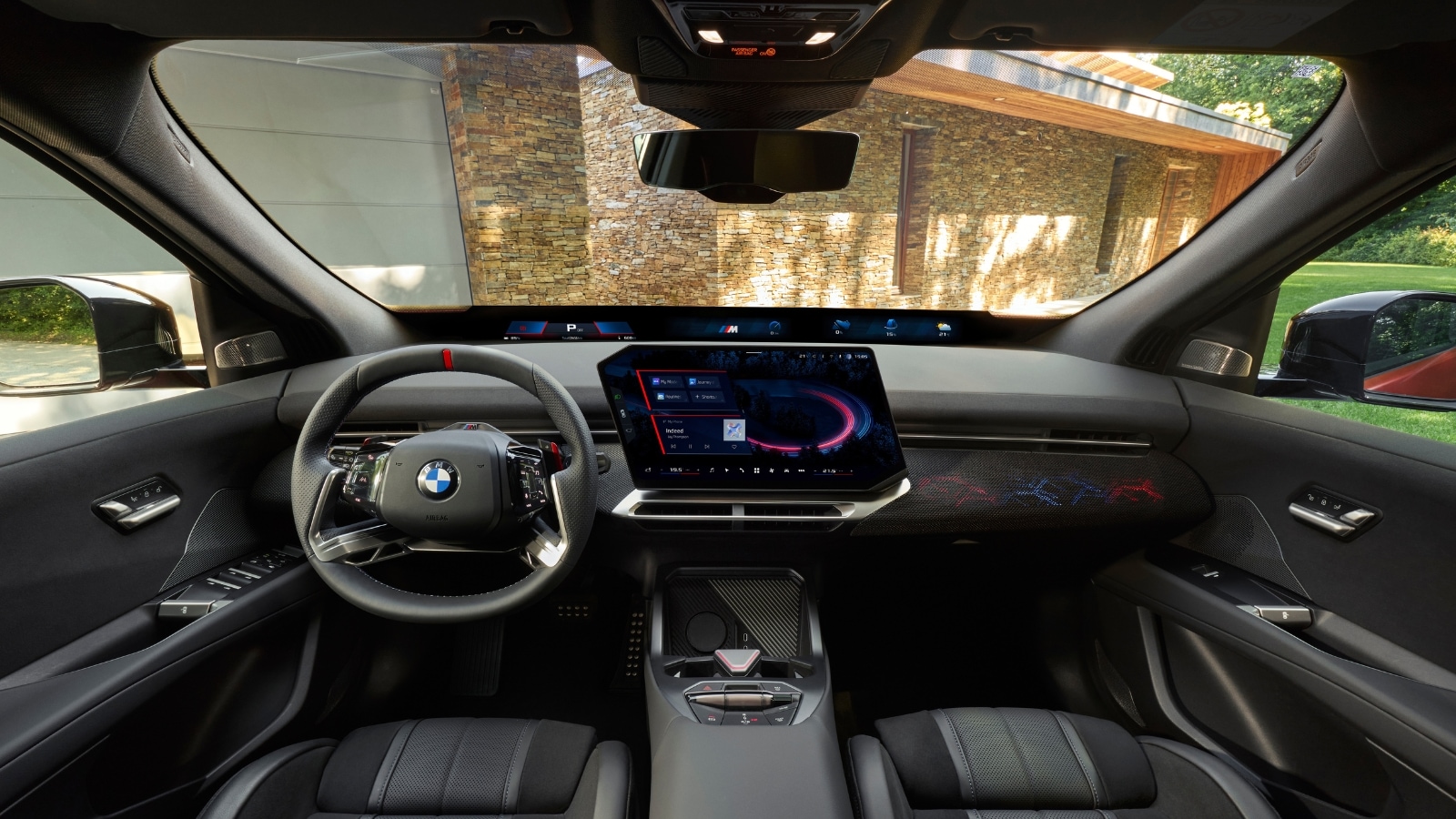
- Skip unnecessary tech packages. Large multi-screen dashboards and experimental driver-assistance add-ons rely heavily on the exact memory chips that are getting pricier. Stick to mid-level trims that give you solid safety basics without paying a steep markup for bloated electronics.
Keep a close eye on quarterly earnings reports from major tier-one auto suppliers like Bosch, Continental, and ZF over the coming months. When they start talking about "raw material headwinds" and "semiconductor allocation," you'll know those 2027 price increases are officially locked in.