The Sovereignty Charade
Most news outlets treat the Durand Line like a holy scripture of international law. They frame every cross-border skirmish as a "violation" of a sacred boundary. This is a fundamental misunderstanding of the geography of power in South Asia. In reality, the border between Pakistan and Afghanistan is not a wall; it is a suggestion.
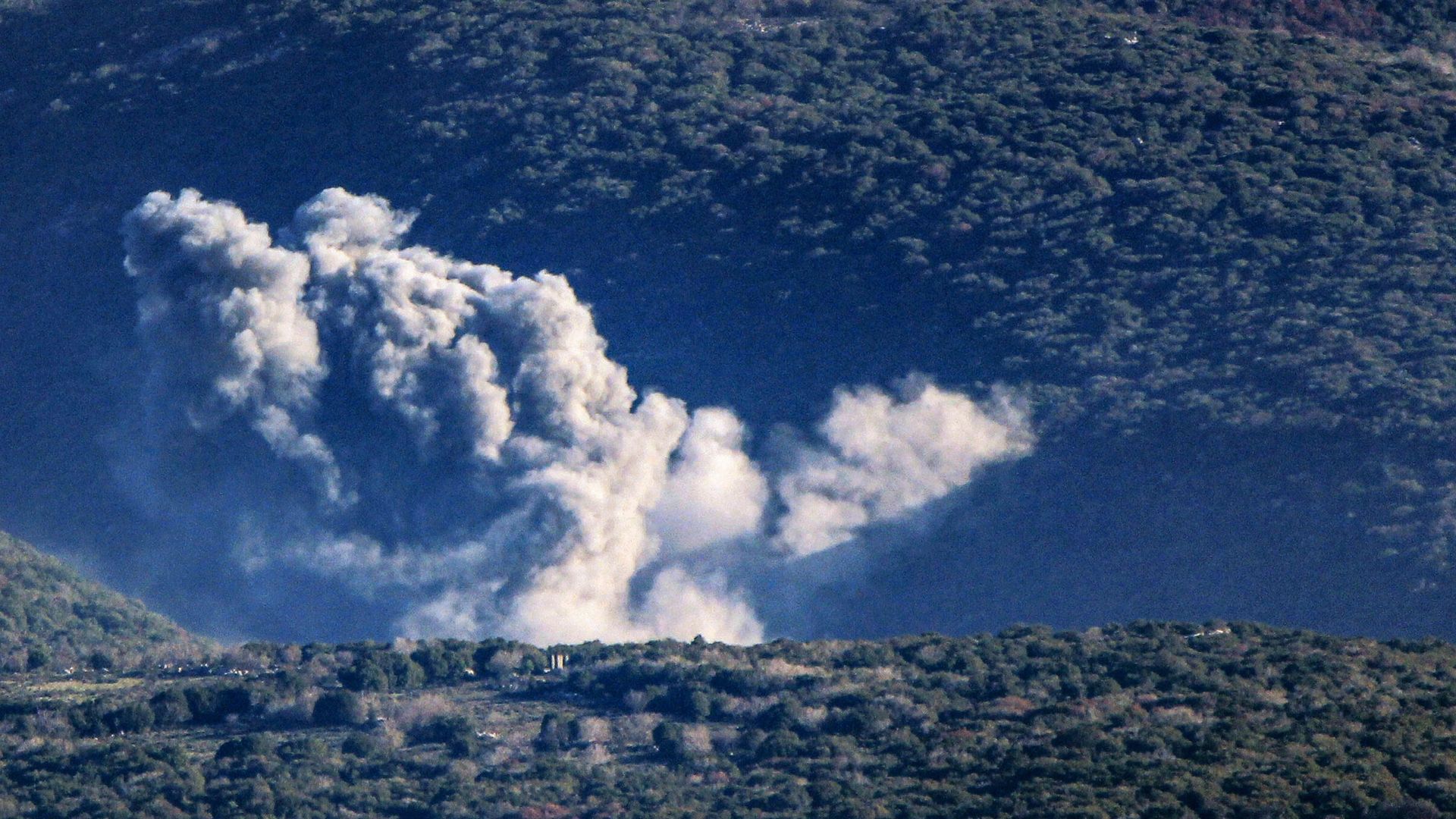
When Pakistan launches airstrikes into Khost and Kunar, the mainstream media cries about "escalation" and "regional instability." They act as if there was a stable baseline to begin with. There wasn't. We are watching the inevitable friction of two states that share a backyard they both refuse to clean. Calling these strikes a "new low" ignores decades of covert ops, proxy funding, and the simple fact that the Taliban in Kabul and the TTP (Tehrik-i-Taliban Pakistan) are two sides of the same ideological coin. Meanwhile, you can explore related events here: The Calculated Silence Behind the June Strikes on Iran.
The lazy consensus is that Pakistan is "bullying" its neighbor. The reality is that Pakistan is desperate. It is reacting to a monster it helped feed, and now that the monster has a sovereign seat in Kabul, the rules of engagement have shifted from shadows to JDAMs.
The TTP Fallacy
The press loves to quote the Taliban spokesperson saying there are "no terrorists" on Afghan soil. It’s a bold-faced lie that everyone accepts for the sake of a balanced quote. To understand the complete picture, we recommend the recent report by The Washington Post.
Let’s be precise: The TTP operates with relative impunity because the Afghan Taliban cannot—or will not—sever the umbilical cord. They share a history of trench-sharing against NATO. Expecting the Kabul administration to hand over TTP leadership is like expecting a brotherhood to betray its own blood for the sake of a neighbor’s security. It won’t happen.
Pakistan’s airstrikes aren't an attempt to start a war. They are a frantic signal to a "brotherly" government that the patience for proxy deniability has evaporated. When the TTP uses Afghan soil to kill Pakistani soldiers in North Waziristan, the concept of Afghan sovereignty becomes a luxury Pakistan can no longer afford to respect.
The Cost of Strategic Depth
For forty years, Pakistan’s military establishment chased the phantom of "strategic depth"—the idea that a friendly (or puppet) government in Kabul would provide a backyard for retreat in a war with India.
They got exactly what they wanted. And it’s a nightmare.
Strategic depth has inverted. Instead of Pakistan having influence over Afghanistan, the ideological spillover from the Taliban's victory has given the TTP a second wind. I’ve watched analysts for years warn that "religious militancy doesn't respect maps." They were right. Pakistan spent billions and risked its global standing to ensure a friendly regime took Kabul, only to find that the new tenants are more interested in their own survival than being a compliant vassal state.
The Math of Attrition
Consider the economics of this conflict. A single sortie of Pakistani fighter jets costs more than the annual budget of the TTP cells they are targeting.
- Cost of an F-16 flight hour: Roughly $25,000 - $30,000.
- Cost of a TTP IED: $50 and a willing recruit.
You cannot bomb your way out of a budget deficit. These airstrikes are a tactical sedative for a domestic audience that demands "action," but they do nothing to address the structural failure of border management. The fence Pakistan built—a $500 million project spanning 2,600 kilometers—is being cut, climbed, and bypassed daily.
The India Obsession
You cannot discuss this border without mentioning the elephant in the room. Islamabad remains convinced that New Delhi is using Afghan soil to squeeze Pakistan from the west.
Is there evidence of Indian intelligence footprint in the border regions? Historically, yes. Is it the primary driver of the current TTP insurgency? Unlikely.
Blaming "foreign hands" is the oldest trick in the book to avoid looking at internal policy failures. The TTP is a homegrown Pakistani problem that found a safe house next door. By framing this as a geopolitical chess match with India, the Pakistani state avoids the uncomfortable conversation about why its own citizens in the tribal districts are picking up arms against the center.
The Humanitarian Racket
Whenever these strikes happen, NGOs rush to release statements about civilian casualties. While any loss of innocent life is a tragedy, the "civilian" label in the borderlands is often murky. These are tribal societies where the line between a fighter and a villager is non-existent during the day and lethal at night.
The mainstream narrative suggests these strikes target "refugee camps." In some cases, that’s true. But what the reports skip is that these camps have become logistical hubs for militants. If you hide a rocket launcher under a tent, the tent is no longer just a shelter; it’s a target. This is the brutal, cold logic of counter-insurgency that city-bound journalists refuse to acknowledge.
Why Diplomacy is Dead
People ask: "Why can't they just talk?"
They did. In 2022, Pakistan tried negotiations with the TTP, mediated by the Afghan Taliban. It was a disaster. The militants used the "ceasefire" to regroup, re-arm, and infiltrate deeper into the Swat valley.
Negotiating with a group that rejects the very existence of your constitution is not diplomacy; it’s a stay of execution. The current airstrikes are a confession that the talking has failed. Pakistan has realized that the Afghan Taliban will never be its border guard.
The Realities of the Durand Line
- Fact: The Afghan government (of any era) has never formally recognized the border.
- Fact: The local Pashtun tribes on both sides view the line as an artificial colonial relic.
- Fact: No amount of concrete or barbed wire can stop a cross-border kinship that spans centuries.
Pakistan is trying to impose a Westphalian state model—fixed borders, central control—on a region that has functioned on tribal autonomy since the dawn of time. The airstrikes are an attempt to force a 21st-century border onto a 12th-century social structure. It’s like trying to install software on a piece of granite.
Stop Asking if the Strikes Work
The wrong question is: "Are these airstrikes effective?"
The right question is: "What happens when the strikes become the only policy?"
If Pakistan continues this path, it risks a full-blown conventional conflict with a Taliban government that has nothing to lose and forty years of experience fighting superpowers. The Taliban doesn't need an air force to bleed Pakistan; they just need to keep the gates open.
The "letup" in fighting that the headlines wish for isn't coming. We are entering a decade of low-intensity, high-attrition warfare. Pakistan is no longer fighting for "strategic depth." It is fighting to keep the fire from jumping the fence.
The Brutal Truth
The international community wants to pretend this is a localized border dispute. It’s not. It’s the final collapse of the post-9/11 security architecture in the region.
Pakistan’s military is discovering that you cannot outsource your security to a militant group and then act surprised when they prioritize their own interests. The Afghan Taliban are not Pakistan's proxies anymore; they are the masters of their own house, and that house has an open door for anyone who hates the Pakistani state.
The strikes will continue. The TTP will continue to hit back. The border will remain a sieve.
Stop looking for a "solution" in a press release. There isn't one. There is only the management of chaos.
Accept that the border is gone. Admit that the "war on terror" never ended—it just changed addresses.
The jets are in the air because the politicians have run out of lies.