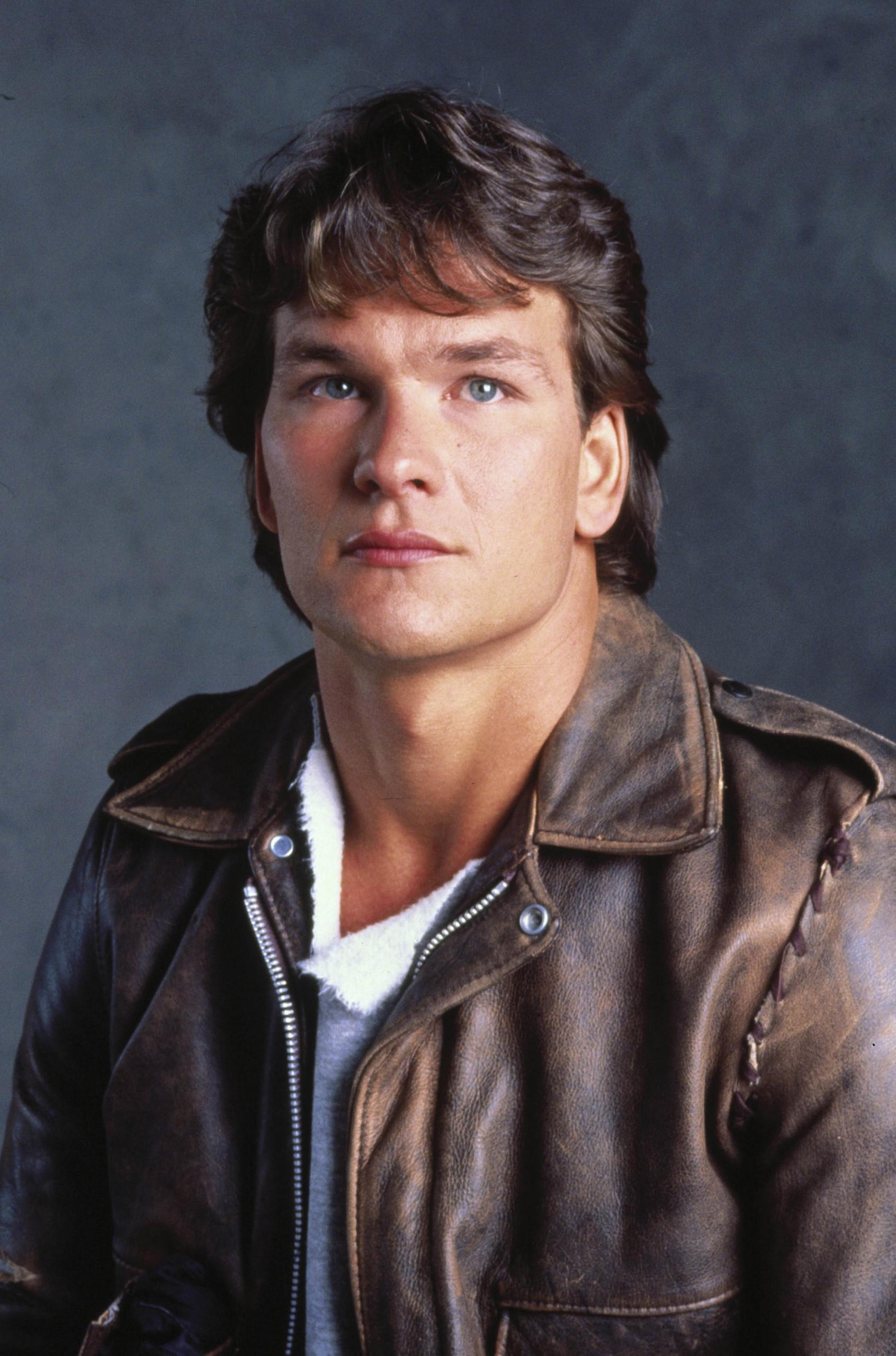
Patrick Swayze was a walking contradiction. Before he was the leather-clad rebel in Dirty Dancing or the spiritual romantic in Ghost, he was just a kid in Houston getting his ribs kicked in because he carried a violin case and ballet shoes. Most people remember the effortless grace of his later years. They see the "Sexiest Man Alive" and assume he coasted on a winning smile and a high metabolism.
Honestly? That couldn't be further from the truth.
The story of young Patrick Swayze is actually a gritty, often painful saga of a guy trying to reconcile being a world-class athlete with being a "sissy" dancer in a Texas culture that didn't have much room for both. He wasn't just some theater kid who got lucky. He was a powerhouse who spent his youth breaking his body to prove he belonged in two very different worlds.
The Houston Pressure Cooker
Patrick grew up in the Oak Forest neighborhood of Houston, and his house was basically a high-performance lab. His mom, Patsy Swayze, was a legendary choreographer who founded the Houston Jazz Ballet Company. She didn't go easy on him. By the time he was a toddler, he was already absorbing the rhythm of her classes from a playpen.
But it wasn't all tutus and jazz hands.
His dad, Jesse "Buddy" Swayze, was an engineering draftsman and a former rodeo cowboy. He was the one who taught Patrick how to throw a punch. He had to. Because young Patrick was taking ballet and playing the violin, he was a massive target for bullies.
A specialized kind of toughness
By high school, Swayze was a five-sport athlete. He did it all:
- Football (he was a star wide receiver at Waltrip High)
- Gymnastics (where he mastered the "iron cross" strength move)
- Swimming and Diving
- Track
- Ice Skating
He wasn't just "participating." He was a machine. He actually hoped for a football scholarship to go all the way, using dance training to give him an agility edge that other players couldn't touch. Imagine being a linebacker trying to tackle a guy who has the core strength of a principal dancer and the speed of a sprinter. It’s a nightmare.
The Injury That Changed Everything
In 1970, during his senior year, it all came crashing down. A nasty tackle on the football field shredded his knee. For most kids, that’s just a sad story you tell at the bar twenty years later. For Swayze, it was the start of a lifelong battle with his own anatomy.
He didn't give up. He actually managed to get a gymnastics scholarship to San Jacinto College, but the knee kept failing. He had to have it drained constantly.
Eventually, he realized the NFL dream was dead. So, he pivoted back to the one thing that most "macho" guys in Texas wouldn't touch: professional ballet.
From the Ice to the Big Apple
Before he was a movie star, he was Prince Charming. Literally. His first professional gig was touring with Disney on Parade as Snow White’s prince. It sounds goofy, but it paid the bills and kept him moving.
In 1972, he packed up and moved to New York City with nothing but a dream and a very shaky knee. He trained with the best—Harkness Ballet and Joffrey Ballet. He was actually becoming a principal dancer for the Eliot Feld Ballet Company when the old football injury flared up again. An infection after surgery nearly cost him his leg.
That was the end of his classical ballet career.
He was devastated. But this is the thing about young Patrick Swayze—he was a master of the pivot. If he couldn't be a premier danseur, he'd be an actor who could dance. He snagged the lead role of Danny Zuko in Grease on Broadway, taking over for a then-unknown John Travolta.
The "Skatetown" Years and Carpentry
Hollywood eventually came calling, but it wasn't a warm welcome. His film debut was in a 1979 disco-on-wheels movie called Skatetown, U.S.A. It was campy. It was flashy. And Swayze hated the idea of being pigeonholed as a "teen idol."
He was so worried about his career path that he and his wife, Lisa Niemi (who he met back at his mom's studio when she was 15), started a carpentry business called "Nepotism, Inc."
They weren't just "celebrity owners." They actually did the work. Patrick spent his time between auditions installing kitchens for people like Jaclyn Smith. He was literally a brawny Texas carpenter by day and a struggling actor by night. This period of his life is what gave him that grounded, "man of the people" vibe you see in Road House. He knew what it was like to work with his hands until they bled.
Why Young Patrick Swayze Still Matters
We talk about "toxic masculinity" a lot these days, but Swayze was solving that puzzle in the 70s. He proved you could be a "tough guy" who was also vulnerable, graceful, and artistic. He didn't see a conflict between a roundhouse kick and a pirouette.
How to use the Swayze mindset
If you’re looking to channel some of that early Swayze energy, here’s how you actually do it:
- Cross-train your brain and body. Swayze used ballet to be better at football. Don't just stay in your lane. If you're a coder, take a public speaking class. If you're an athlete, try a creative hobby. The intersection of different skills is where the magic happens.
- The Pivot is everything. When his knee blew out, he didn't stop; he changed direction. Resilience isn't just "toughing it out"—it's being smart enough to find a new path when the old one is blocked.
- Master the basics. He didn't just "act" like a dancer; he trained until he was one of the best in the world. Whatever you're doing, do the grunt work.
Young Patrick Swayze wasn't a finished product. He was a guy who was constantly being broken down and rebuilding himself. That "effortless" lift at the end of Dirty Dancing? That was the result of twenty years of pain, carpentry, and Texas grit.
To truly understand his legacy, you have to look at the guy who refused to let a "sissy" label or a shattered knee define him. He wasn't just a star; he was a worker.
Next Steps for the Swayze Superfan: If you want to see his early raw talent before he was a household name, go back and watch The Outsiders (1983). He plays the oldest brother, Darrel, and you can see that protective, "dad" energy he brought from his own life in Houston. You can also track down his 1981 appearance on MASH*—it's one of his most underrated early dramatic performances.