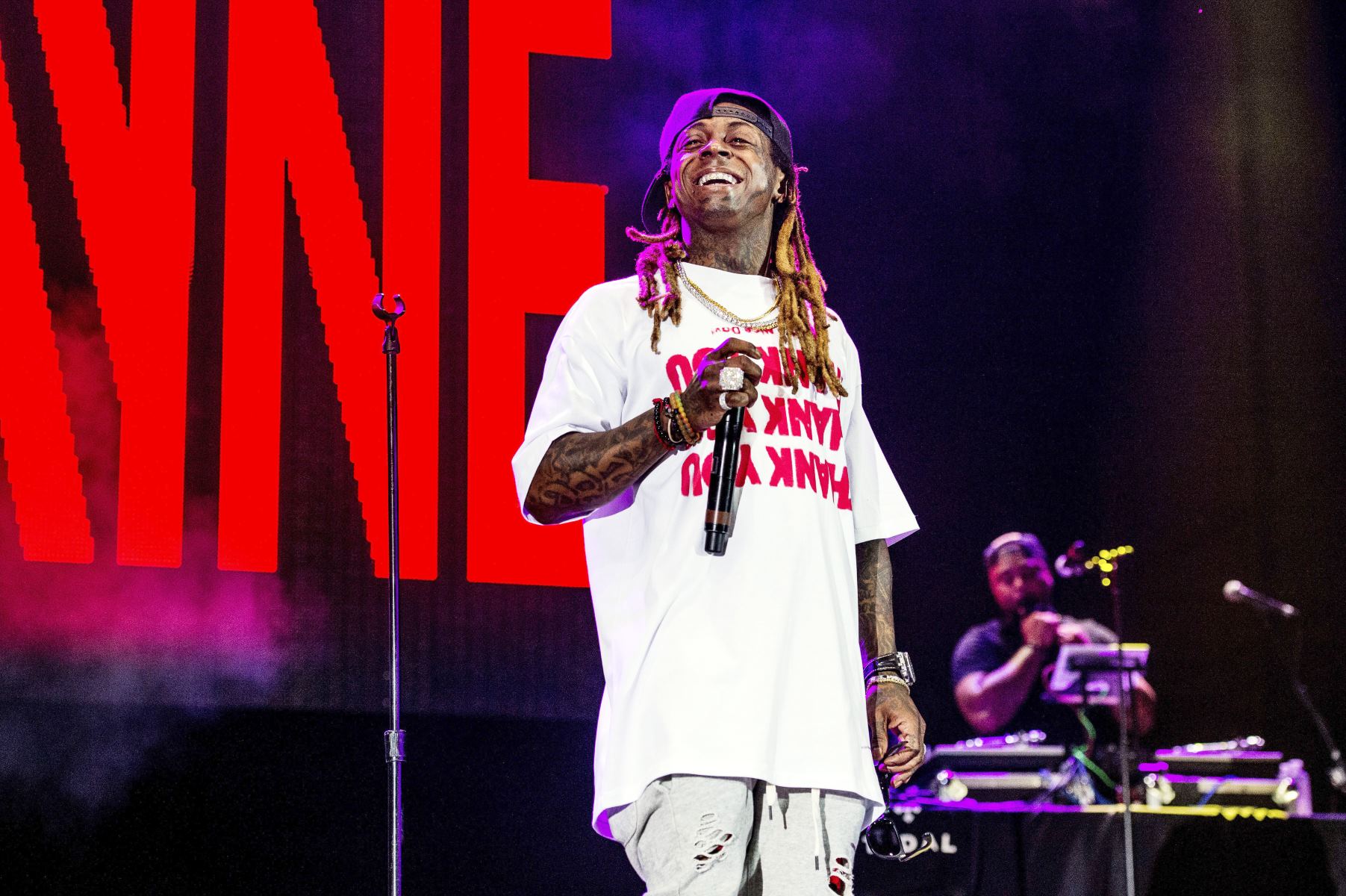
Lil Wayne didn’t just want to be the best rapper alive. He wanted to own the room. Most people look at Young Money Entertainment and see a graveyard of “where are they now” artists, or they see the massive, eclipsing shadows of Drake and Nicki Minaj. But if you think Young Money was just a lucky streak or a vanity project for a guy who liked wearing three watches at once, you’re missing the actual story.
It’s about a teenager from Hollygrove who saw how Birdman ran Cash Money and decided he could do it better—or at least, do it his way.
The Young Money Era: Why Lil Wayne’s Label Still Matters
Honestly, the mid-2000s were a weird time for rap. The old guards were fading, and the internet was starting to rip the floorboards out from under the big labels. Wayne was already a god by 2005. He had the world in a chokehold with the Dedication mixtapes, but he knew he couldn’t stay twenty-two forever.
He founded Young Money Entertainment as an imprint under Cash Money. It wasn't just a label; it was a lifeboat.
Think about the roster back then. You had Curren$y (before he went independent and became the king of the underground), Jae Millz, and Gudda Gudda. People joke about the "BedRock" era now, but that song was inescapable. It defined a specific kind of commercial dominance where a label could just throw their entire varsity and junior varsity squad on a track and it would go platinum.
The Big Three: Drake, Nicki, and Wayne
You can't talk about the lil wayne record label without talking about the "Big Three." It’s basically the blueprint for how to build a dynasty. Wayne didn’t just sign these people; he gave them his platform when he was at his absolute peak.
- Drake: Signed in 2009 after the So Far Gone hype. Wayne saw a kid from Toronto who could sing and rap better than most professionals and didn't try to make him "street." He let Drake be Drake.
- Nicki Minaj: The Queens native who brought a theatrical, multi-character energy that the industry hadn't seen. Wayne stood behind her while she out-rapped every man on the roster.
- The Synergy: They weren't just label mates. They were a three-headed monster. When they appeared on a track together, it wasn't a collaboration; it was a hostile takeover of the Billboard charts.
What Really Happened with Cash Money?
Here is where it gets messy. You might remember the headlines around 2014 and 2015. Wayne vs. Birdman. The $51 million lawsuit. The "Free Weezy" movement.
It turns out, being the flagship artist of a massive empire doesn't mean you're actually getting paid. Wayne alleged that Cash Money—the parent label—was withholding tens of millions of dollars and refusing to release Tha Carter V.
"I am a prisoner and so is my creativity," Wayne tweeted in 2014.
That wasn't just rap drama. That was a foundational shift in hip-hop history. For years, Young Money was stuck in a legal purgatory. Because the label was an imprint of Cash Money, the beef between the "father" (Birdman) and the "son" (Wayne) effectively froze the careers of dozens of people.
Eventually, in 2018, they settled. Wayne became the sole owner of Young Money, and the label officially moved its distribution over to Republic Records. It was a messy divorce, but Wayne got the kids—meaning he kept the rights to his artists and his masters.
The New Generation: Who Is on Young Money in 2026?
If you haven't checked the roster lately, it looks a lot different than the "Every Girl" days. The superstars are still there—Drake and Nicki are still technically tied to the legacy—but Wayne is constantly hunting for new blood.
He’s currently pushing artists like Allan Cubas, a bilingual rapper from New Orleans who brings that gritty Hollygrove energy, and Euro, who has been one of Wayne’s favorite "pen" specialists for years. There’s also Domiio (formerly Drizzy P), who has been rebranding himself to step out of the shadow of his earlier name.
It’s a different vibe now. It’s less about "taking over the world" and more about "maintaining the culture." Wayne uses his Young Money Radio show on Apple Music as a sort of scouting ground and megaphone for these acts.
Why the "Flop" Narrative is Kinda Wrong
Critics love to point out that for every Drake, there are ten artists like Lil Twist or Cory Gunz who didn't become household names. But that's just how the record business works. If a label produces two of the top five biggest artists of the last twenty years, that's a 1,000% success rate. Most labels never find one Drake. Wayne found two.
Actionable Insights for the Music Biz
If you're looking at the lil wayne record label as a case study for business or talent management, there are a few real-world takeaways that actually matter:
- Trust the Talent’s Instinct: Wayne famously didn't try to change Drake’s "soft" image or Nicki’s "Barbie" persona. He let them lead their own branding.
- Platform Sharing is Power: By putting his artists on his biggest singles, Wayne made his success their success. It's the ultimate "each one teach one" model.
- Ownership is Everything: The legal battle with Cash Money proved that if you don't own the paperwork, you don't own your life. Wayne's fight for independence is now a cautionary tale for every new rapper signing a deal.
- Diversify the Sound: The current roster includes rock-infused rap (like Lucifena) and bilingual flows. Wayne isn't trying to recreate 2009; he's trying to find what's next.
Young Money Entertainment isn't the dominant force it was in 2012, but it doesn't need to be. It’s a legacy brand now. As Wayne gears up for Tha Carter VI and continues to mentor the next crop of New Orleans talent, the label remains a testament to what happens when an artist stops being a "prisoner" and starts being a boss.
Next Steps for You: If you want to understand the current sound of the label, go listen to the Young Money: Rise of an Empire compilation and then jump straight into Allan Cubas’s latest singles. The contrast tells you everything you need to know about where Wayne is taking the brand next. Keep an eye on the credits of Tha Carter VI—that’s where the next "big thing" usually hides.



