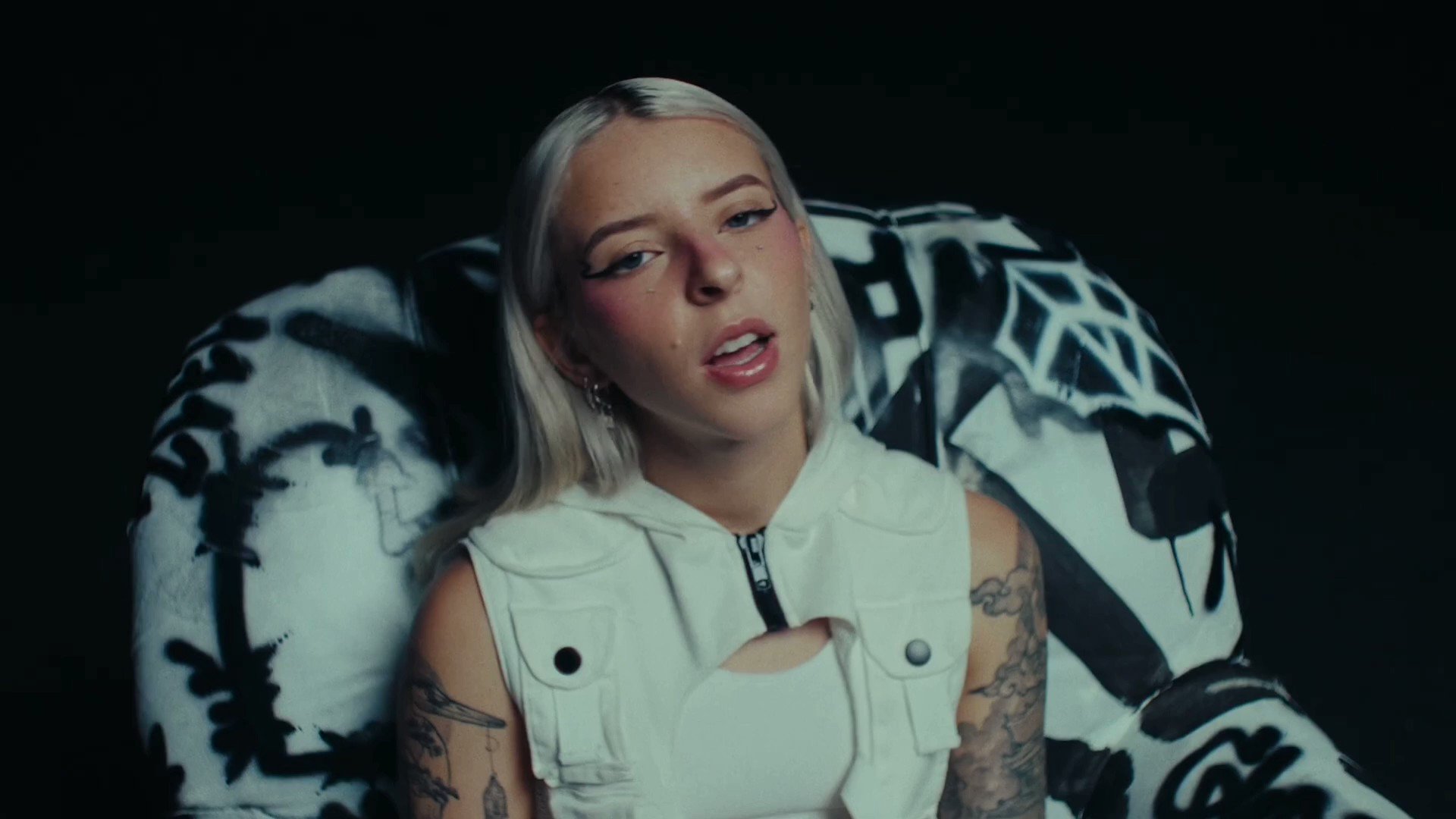
When Young Miko dropped "WASSUP" in April 2025, the internet basically had a collective meltdown. It wasn't just another trap song. It felt like a glitch in the Matrix that transported everyone back to the era of baggy jeans, flip phones, and early Lil Wayne. Honestly, if you grew up hearing "Lollipop" on a loop, the first time you hear the young miko wassup lyrics, your brain is going to do a double-take.
She didn't just sample a beat. She channeled an entire energy. Produced by her long-time collaborator Mauro, the track is a masterclass in how to do a "feel-yourself" anthem without sounding like you're trying too hard. It’s effortless. It’s cocky. It’s very Miko.
What's Actually Happening in the Young Miko Wassup Lyrics?
Let’s get into the nitty-gritty of the lyrics because there’s a lot of wordplay that non-Spanish speakers—and even some native speakers—might miss if they aren't paying attention. The song opens with Miko asking a pretty direct question: “¿Baby, qué es la que hay? ¿Tiene’ jeva o tiene’ jevo?” Basically, she’s asking if you have a girlfriend or a boyfriend. It’s that signature Miko fluidity. She’s not playing by the old rules of reggaeton or trap. She’s just being herself. She follows it up by saying if you get tired of them, she’s ready to take over the "relevo" (the relay or handoff).
The hook is the real earworm here. "So, what’s up? Tú dando mamacita. Dime, what’s up? Yo dando cuerpo y carita." She’s flexing the fact that her "face card no declina" (her face card never declines). It’s a modern slang way of saying she’s naturally stunning, and honestly, who is going to argue with that?
The Lil Wayne and Lil Jon Connection
If the chorus sounds familiar, it's because it heavily interpolates Lil Wayne’s "Lollipop." It’s a genius move. By taking one of the most iconic hip-hop hooks of the 2000s and flipping it into a Latin trap context, she bridged a massive cultural gap.
But then, out of nowhere, you hear Lil Jon. Yes, the "Yeah!" and "OK!" king himself. He makes a cameo toward the end of the song, bringing that signature ATL hype. It’s a weirdly perfect pairing. You have this smooth, cool Puerto Rican rapper and then the loudest man in hip-hop history shouting in the background. It works because the beat is so bass-heavy and crisp that it demands that level of energy.
Breaking Down the Visuals and the Vibe
The music video, directed by Joshua Rivera and Claudia Calderón, isn't some high-budget sci-fi movie. It’s gritty. It’s set in a studio in Puerto Rico. You see Miko hyping herself up like a boxer before a fight. There are BMWs, massive boombox speakers, and a lot of jewelry.
She mentions "llevo par de día’ visitando el joyero" (I've been visiting the jeweler for a couple of days). She’s got a ring for every finger. It’s classic "new money" flexing, but done with a wink.
- Production: Mauro (The Wave Music Group)
- Release Date: April 25, 2025
- The Hook: Interpolation of "Lollipop"
- Key Guest: Lil Jon (Background vocals/hype)
Some fans on Reddit were skeptical at first. You’ll see threads from people saying she’s moving away from her "tomboy" roots to appeal to a more "feminine" audience. But if you look at the young miko wassup lyrics, the bars are still sharp. She’s still the same Miko who can out-rap most of the guys in the industry. She’s just evolving.
Why "Wassup" Matters for Her Career
This wasn't just a random single. It was her first solo release of 2025 after the massive success of her debut album att.. That album got her a Grammy nomination and basically made her a household name in Latin music. "WASSUP" was the victory lap.
She’s also moving into other spaces. Did you know she’s voicing a character named Tiffany in the animated movie Sneaks? She’s a singing wire shoe. Seriously. Along with Mustard and Donovan Louis Bazemore. She’s becoming more than just a rapper; she’s a brand.
The song also touches on the reality of her new life. "Dos teléfonos encima y los dos en DND" (Two phones on me and both are on Do Not Disturb). That’s the price of fame. Everyone wants a piece of her, but she’s focused on the "USD" in her pockets and the jewelry that's "pa' que me pese" (so it weighs me down).
Misconceptions About the Song
A lot of people think this song is just a remake. It's not. While the interpolation is there, the verses are entirely original and filled with Puerto Rican slang. When she says "Mami, si te vas conmigo tu espalda va contra el dash," she's not talking about driving safely. She’s painting a picture. It’s bold. It’s "petty" as she says in the lyrics.
How to Lean Into the Miko Aesthetic
If you're vibing with the track, you're probably already looking for the merch or trying to figure out how to get that "face card" look.
- Watch the credits: Look up Mauro’s other productions. He’s the architect behind her sound.
- Learn the slang: Terms like "jeva/jevo," "que lo que," and "trépate en el tubo" give you a better understanding of the PR street culture she represents.
- Check the live performances: Miko is known for her energy. Her 2025 "XOXO Tour" showed that she can actually carry these tracks live without leaning on a backing track too hard.
The young miko wassup lyrics are a reminder that Latin music doesn't have to stay in one lane. You can take early 2000s American hip-hop, mix it with Puerto Rican trap, and create something that feels completely new. It’s confident, a little bit arrogant, and 100% addictive.
Whether you're blasting this in your car or trying to decode every line on Genius, "WASSUP" is a marker of where music is headed in 2026. It’s less about genres and more about the "vibes only" philosophy that Miko has championed from day one.
Actionable Next Steps: To fully appreciate the track, listen to the original "Lollipop" by Lil Wayne immediately followed by "WASSUP." Notice how Mauro slowed down the tempo just enough to give it that heavy, "sucio" trap feel. If you're learning Spanish, use the verses to practice your "R" pronunciation—Miko’s flow is surprisingly clear even when she’s rapping fast.



