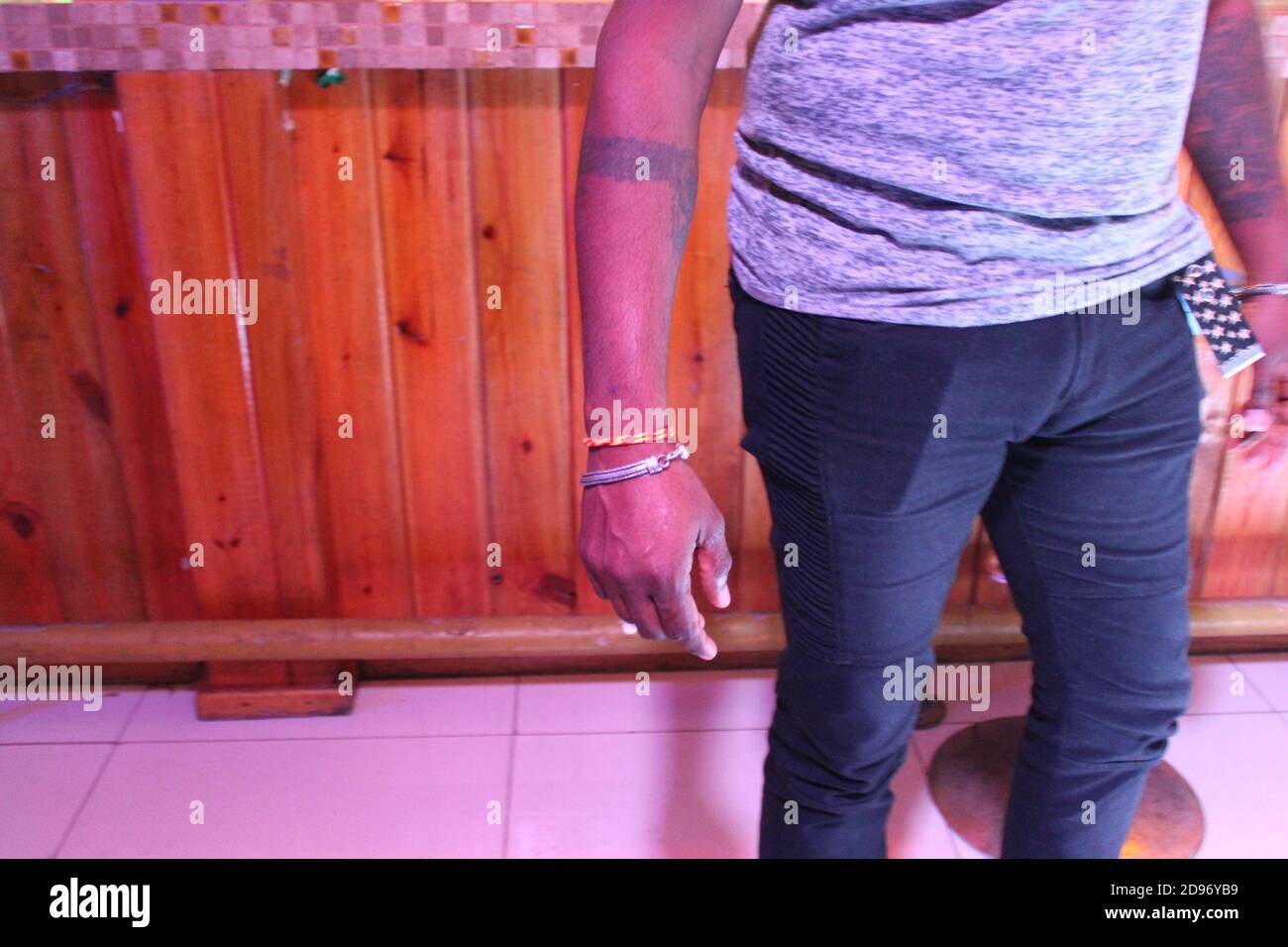
Let’s be real. Buying young mens dress pants is usually a disaster. You either end up looking like you’re wearing your dad’s hand-me-downs from 1994, or you’re squeezed into something so tight it looks like you’re heading to a 17th-century ballet rehearsal. It's annoying. Most guys just grab whatever is on the rack at a big-box store and wonder why they don't look like the guys on Instagram.
The truth? Modern tailoring has changed. Don't forget to check out our earlier coverage on this related article.
If you’re under 30, the "standard" rules of formal wear usually feel outdated. You aren't necessarily dressing for a corner office in a law firm; you’re dressing for a wedding in a renovated barn, a high-stakes job interview at a tech startup, or maybe just a nice dinner where sneakers are still allowed. The stakes are different. The vibe is different. And honestly, the pants need to be different too.
The "Skinny" Trend Is Effectively Dead
For years, the industry pushed "extreme slim" or "skinny" fits on younger guys. We’ve all seen it. The fabric pulling across the thighs, the pockets flaring out like elephant ears, and the hem hitting halfway up the calf. It’s over. To read more about the history here, The Spruce provides an excellent breakdown.
The move right now is toward "tapered" or "relaxed-tapered" silhouettes. This means you have actual room in the seat and the thighs—you can actually sit down without worrying about a seam ripping—but the pant still narrows down toward the ankle. This creates a sharp, clean line without the discomfort of spandex-infused leggings masquerading as trousers. Brands like Abercrombie & Fitch (which has had a massive resurgence) and Bonobos have mastered this. They’ve moved away from the "painted-on" look toward a "tailored-but-roomy" aesthetic. It’s a relief.
Fabric Matters Way More Than the Brand Name
Stop looking at the label and start looking at the "Materials" tag. Seriously.
If you see 100% polyester, put them back. You’ll sweat. You’ll itch. You’ll look shiny in photos. What you want for young mens dress pants is a wool blend or a high-quality cotton chino with a tiny bit of stretch—think 2% elastane. This gives you the "give" you need for a long day without the pants losing their shape by 3:00 PM.
There’s also a big push toward "technical" dress pants. Brands like Lululemon (with the Commission/ABC pant) and Public Rec have basically hacked the system. They make pants that look like formal trousers but feel like sweatpants. Are they traditional? No. Do they work for 90% of modern occasions? Absolutely. Just be careful with the "swish-swish" sound some of these fabrics make when you walk. If you’re in a quiet office, it’s a bit of a giveaway.
The Break: To Hem or Not to Hem?
The "break" is how much the bottom of your pants bunches up over your shoes.
- No Break: The hem barely touches your shoe. It’s very modern, very "European," and looks great with loafers or clean white leather sneakers.
- Slight Break: The standard for most young professionals. The fabric kisses the top of the shoe with one small fold.
- Full Break: Avoid this. This is the "puddling" effect that makes you look shorter and, frankly, like you don't own a mirror.
Understanding the "Rise"
Most guys don't talk about the rise, but it’s the distance from the crotch to the waistband. Low-rise pants—the kind that sit on your hips—are increasingly out of style for formal wear. They make your legs look shorter and your torso look awkwardly long.
A mid-to-high rise is the way to go. By sitting closer to your natural waist (around the belly button), the pants drape better. They create a longer leg line. If you’re on the shorter side, a higher rise is basically a cheat code to looking three inches taller. Take a look at what stylists like Teun van den Keuken or even the casual-formal looks from Aimé Leon Dore are doing. They use higher rises to create a silhouette that looks intentional rather than accidental.
Color Palettes: Beyond Just Black
Black pants are for funerals and waiters. There, I said it.
If you want to look like you know what you’re doing, reach for Charcoal Grey or Navy. These are the workhorses. They go with everything. If you want to level up, try an Olive Green or a "British Tan." These colors feel more "young" and less "corporate drone."
Texture is another secret weapon. A "hopsack" wool or a subtle herringbone adds depth. It makes the outfit look expensive even if you caught the pants on sale at J.Crew. Plain, flat fabrics can look a bit cheap under harsh fluorescent lights. Texture hides wrinkles and adds a layer of sophistication that most guys your age are completely ignoring.
Why Off-the-Rack is Only 80% Ready
You have to find a tailor. It’s non-negotiable.
Most young mens dress pants are sold with a generic 30 or 32-inch inseam. Unless you are exactly that height, they won't fit right. Spending $15 to get your pants hemmed and maybe $20 to have the waist "taken in" or the legs "tapered" will make a $60 pair of pants look like a $300 custom job.
Tailors aren't just for old men in dusty shops. They are the difference between looking like a kid playing dress-up and looking like a man who has his life together. If the seat of the pants is saggy, a tailor can fix it. If the legs are too wide, a tailor can slim them. Buy for the waist and the thighs—everything else can be adjusted.
Common Mistakes to Avoid
- The Ghost Pocket: If you can see the white outline of your pocket bags through the fabric, the pants are too tight or the fabric is too thin.
- The "Cuffed" Look: Unless the pants are designed to be cuffed (like some chinos), don't just roll up your dress pants. It looks sloppy.
- Belts vs. No Belts: If the pants have belt loops, wear a belt. If you want a cleaner look, look for "side adjusters"—those little tabs on the waist that let you tighten them without a belt. It's a very "pro" move.
Real-World Examples
Look at someone like Timothée Chalamet or Michael B. Jordan on a casual red carpet. They aren't wearing baggy trousers. They also aren't wearing leggings. They are wearing structured, tapered pants that hit right at the ankle.
Compare that to the "tech bro" look of a decade ago—oversized khakis and square-toed shoes. The difference is all in the taper and the fabric weight. You want the fabric to have enough "body" that it holds a crease. If the pants look like crumpled paper five minutes after you put them on, they aren't the right pants.
Actionable Steps for Your Next Purchase
- Audit your current closet. Put on your dress pants and sit down. If the buttons feel like they’re under sniper-level tension, they’re too small. If you can pinch more than two inches of extra fabric at the thigh, they’re too big.
- Measure your "Actual" waist. Most brands use "vanity sizing." A size 32 might actually be a 34-inch circumference. Use a soft measuring tape and measure where you want the pants to sit.
- Search for "Athletic Taper." If you have bigger legs from the gym, this fit is a lifesaver. It gives you room in the "quads" but still narrows at the ankle.
- Invest in a steamer. Ironing dress pants can sometimes create a weird "shine" on the fabric if you aren't careful. A handheld steamer gets the wrinkles out safely and quickly.
- Go to a local tailor. Take one pair of pants that you "sorta" like and ask them to taper the leg from the knee down. It’ll cost you less than a steak dinner and will change how you view your wardrobe.
- Prioritize Versatility. Start with one pair of Medium Grey and one pair of Navy. You can wear these with a blazer, a sweater, or even a high-quality T-shirt. You don't need ten pairs; you need two pairs that fit perfectly.
Stop settling for "good enough" when it comes to your trousers. The difference between a guy who looks sharp and a guy who looks messy is rarely the price tag—it’s the fit and the fabric choice. Take the time to get the hem right and stop buying pants that are two sizes too small in the name of "fashion." Your comfort (and your style) will thank you.



