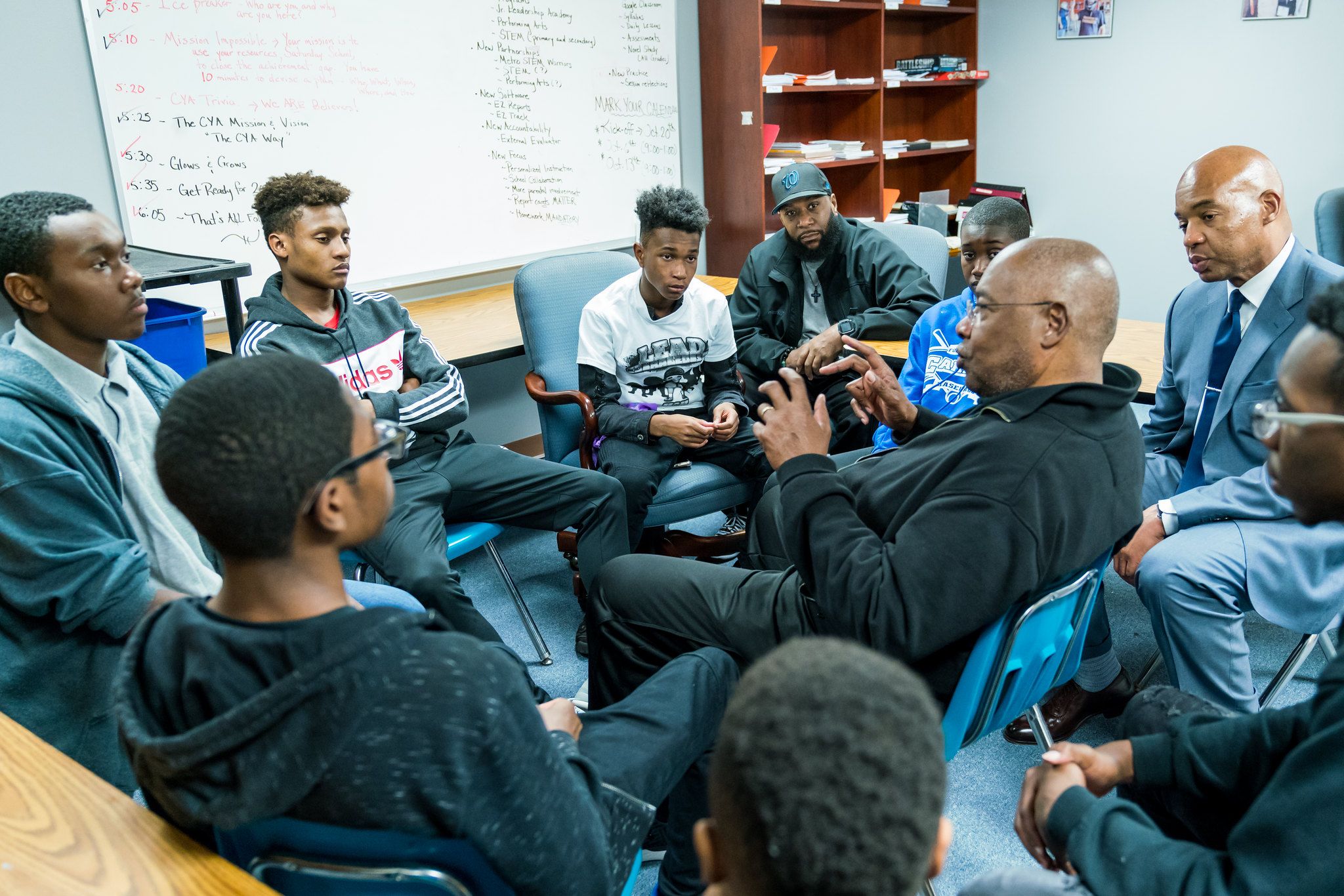
Everything feels like a performance lately. If you’re a guy in your twenties or late teens, you’ve probably noticed that the script for young manhood has basically been shredded. Older generations talk about "pulling yourself up by your bootstraps," but they bought houses when a bootstrap actually cost a nickel. Now, we’re looking at a world where the traditional markers of growing up—steady jobs, moving out, finding a partner—feel like they’re hidden behind a massive paywall. It’s frustrating.
Honestly, the transition through youth used to have clear milestones. You finished school, you got a trade or a degree, and you started a life. Today? You’re likely living with your parents well into your twenties while trying to figure out if your entry-level job will even exist in three years. According to Pew Research Center, for the first time in modern history, young adults are more likely to live with their parents than with a spouse or partner. That’s not laziness. It’s a systemic shift in how we define what it means to be a man.
The Loneliness Epidemic and Young Manhood
There is this weird silence when it comes to how guys actually feel. We talk a lot about "toxic masculinity," which is a real thing, but we rarely talk about the void that's left when you take away the old versions of being a "man" and don't replace them with anything tangible. Loneliness is hitting young manhood like a freight train.
Richard Reeves, a senior fellow at the Brookings Institution and author of Of Boys and Men, points out a startling reality: one in four men under 30 says they have no close friends. Zero. That’s wild. If you don't have a "tribe," you end up looking for it in the wrong places. Often, that means falling down rabbit holes on the internet where extremists tell you exactly what you want to hear because no one else is talking to you.
Modern youth is spent mostly behind a screen. We have "friends" on Discord or followers on Instagram, but we don't have people we can call at 2 AM when things go south. It’s all surface-level.
Why the "Third Place" matters
Think about where you actually go to meet people. In the past, guys had the local gym (the gritty kind, not the corporate ones where everyone wears headphones), the bowling alley, or even just the street corner. These are "third places"—somewhere that isn't work or home. They are disappearing. Everything costs money now. If you want to hang out, you have to buy a $7 coffee or a $15 cocktail. For a lot of guys, that’s just not sustainable.
The Economic Reality of Modern Youth
Let's be real: the math isn't mathing. In the 1970s, a young man could work a summer job and pay for a year of college. Try doing that now. You’d need to work about 60 hours a week at minimum wage just to cover tuition, let alone rent or food. This economic squeeze changes the psychology of young manhood.
When you can't provide—not because you're lazy, but because the economy is rigged against entry-level earners—you feel like a failure. It’s a specialized kind of shame. We see "hustle culture" influencers on TikTok telling us that if we aren't making $10k a month through dropshipping by age 22, we’re losers. It’s a lie. But it’s a lie that sells because it targets the insecurity of every young guy who just wants to feel like he’s "winning" at life.
Economic independence is the traditional gateway to adulthood. Without it, youth gets extended indefinitely. Psychologists call this "emerging adulthood," but for many, it feels more like "permanent adolescence."
Mental Health and the Pressure to be "Alpha"
There’s a lot of noise right now about what a man "should" be. You’ve got the "Alpha" gurus on one side and a culture that sometimes feels like it’s pathologizing everything masculine on the other. It’s exhausting. Most guys are just stuck in the middle, trying to be decent people while dealing with record-high levels of anxiety.
According to data from the CDC, suicide rates among young men are significantly higher than among young women, yet men are far less likely to seek out therapy or even talk to a friend about their mental state. We’ve been told to "man up" for so long that we’ve forgotten how to actually process stress.
- The Physical Toll: Stress doesn't just stay in your head. It shows up as back pain, insomnia, and burnout.
- The Social Media Mirage: Constant comparison to people who are faking their lifestyles leads to a permanent sense of inadequacy.
- The Work Grind: We’re told our value is tied to our productivity. If you aren't grinding, you're "falling behind."
Being a young man today means navigating a minefield of expectations. You’re supposed to be sensitive but tough, successful but humble, and traditional but progressive. It’s a lot of "buts."
Redefining Success in Young Manhood
We need to stop using our fathers' yardsticks to measure our lives. Their world is gone. Success in modern youth has to be about something else. It has to be about resilience and finding meaning in a world that feels increasingly chaotic.
Maybe success isn't owning a house by 25. Maybe it’s building a community of guys who actually look out for each other. Maybe it’s learning a skill that can’t be automated by an AI. Honestly, the most "manly" thing you can do right now is take care of your mental health and stop caring about what some guy in a rented Lamborghini says on YouTube.
Real strength in young manhood is found in the boring stuff. It’s showing up for your friends. It’s being reliable. It’s learning how to cook a decent meal so you aren't reliant on DoorDash. It’s the small wins.
Moving Forward: Actionable Steps for Navigating Young Manhood
Stop waiting for someone to give you a map. It doesn't exist. You have to build your own path, and that starts with getting off the sidelines.
- Audit your digital intake. If the people you follow make you feel like crap about your life, hit unfollow. Your brain is a sponge; stop soaking it in poison.
- Find a physical outlet. I don't care if it's Brazilian Jiu-Jitsu, hiking, or just lifting heavy things in your garage. You need to be in your body, not just your head.
- Build a "Council." Pick three guys you trust. Talk to them. Really talk. Not just about sports or gaming, but about the stuff that's actually stressing you out.
- Learn a tangible skill. In a world of digital noise, being able to fix a sink, tune a bike, or grow a garden gives you a sense of agency that no "likes" can provide.
- Prioritize financial literacy over "get rich quick" schemes. Understand how interest works. Save $20 a week if that’s all you can do. Small habits are the only things that actually scale over time.
The struggle is real, and it's okay to admit that things are harder for this generation than the ones before. Acknowledging that isn't "weakness"—it's being realistic. By focusing on genuine connection, physical health, and realistic goals, you can navigate the complexities of young manhood without losing your mind. Stay grounded. Stay curious. And for the love of everything, put the phone down once in a while.



