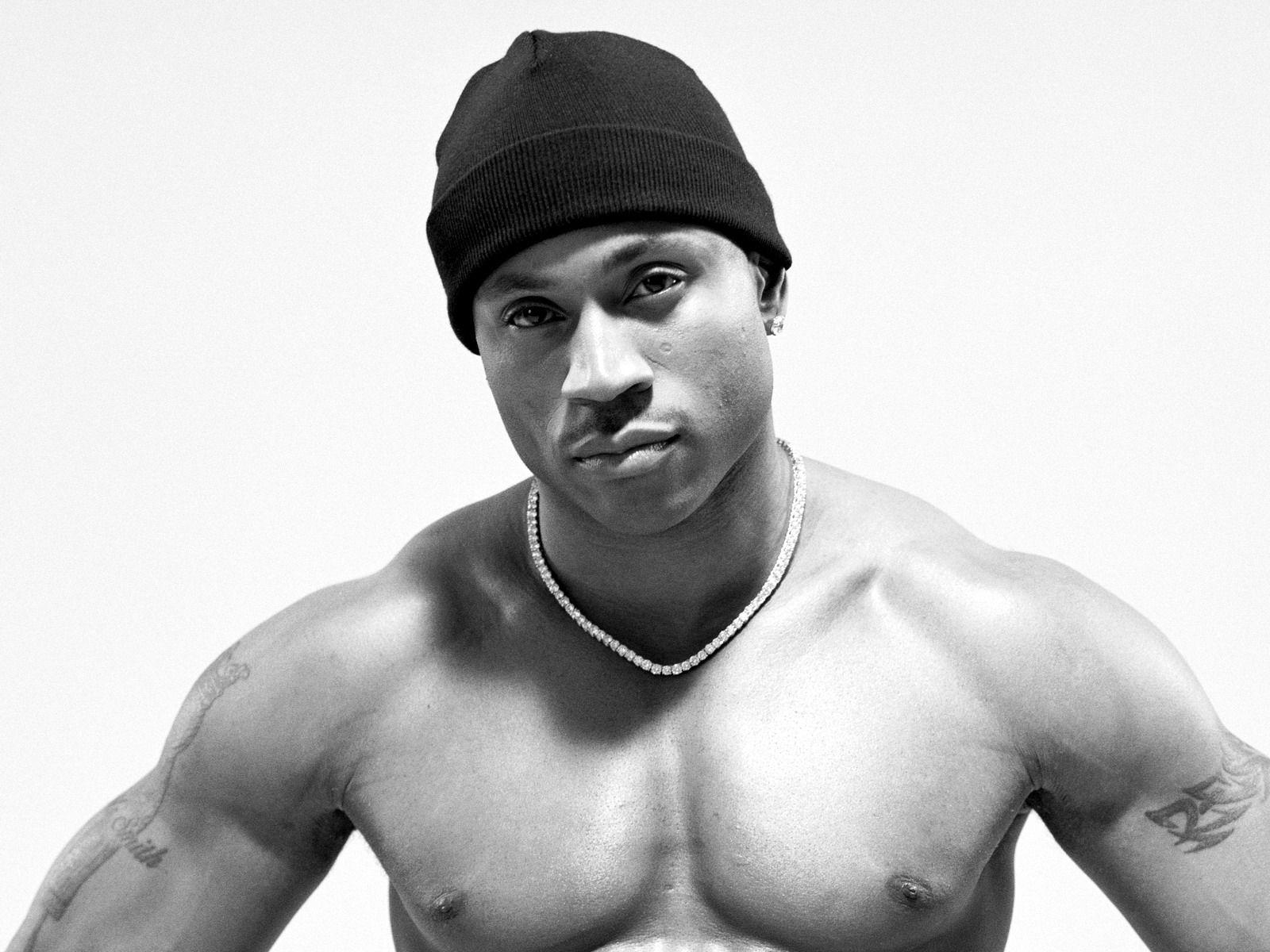
If you walked into a New York City record store in 1985, you couldn’t miss him. There was this kid on an album cover, leaning against a massive boombox, rocking a red Kangol hat and a gaze that suggested he already owned the world. He was 17. His name was James Todd Smith, but the streets were starting to call him LL Cool J.
Honestly, the "Ladies Love Cool James" moniker sounds a bit cheesy today, right? But back then, it wasn't a joke. It was a mission statement. While the rest of the hip-hop world was focused on crews and groups like Run-D.M.C. or The Fat Boys, this teenager from St. Albans, Queens, was proving that a solo MC could carry the weight of an entire culture on his shoulders.
He didn't just stumble into the spotlight. He demanded it.
The Demo Tape That Built Def Jam
Before the Grammys and the Hollywood Walk of Fame, there was just a 16-year-old kid mailing out demo tapes from his grandfather's house. It sounds like a movie script. James’s grandfather, a jazz saxophonist, had bought him $2,000 worth of equipment—turntables, a mixer, and an amplifier—to keep him off the streets of Queens.
It worked.
Young LL Cool J wasn't just rapping; he was producing and mixing his own sounds. He sent a tape to a new, scrappy label called Def Jam Recordings, which was basically being run out of a dorm room at NYU by Rick Rubin. When Rubin heard the raw, aggressive energy of "I Need a Beat," he knew he’d found something different.
He had.
That single sold over 100,000 copies. It didn't just launch a career; it gave Def Jam the leverage to sign a distribution deal with Columbia Records. Basically, without that 16-year-old’s demo tape, the most iconic label in hip-hop history might never have made it out of the dorm.
Young LL Cool J and the Architecture of "Radio"
In November 1985, the world got Radio. It was the first full-length album ever released by Def Jam. Rick Rubin’s production was "reduced"—that’s the word he used on the back of the record. No flashy synths. No disco samples. Just heavy 808 drums, scratching, and LL’s voice taking up every inch of space.
"I Can't Live Without My Radio" became a literal anthem. If you had a boombox in the mid-80s, you were playing this track.
Why the sound was so jarring:
- Minimalism: Most rap songs at the time were still trying to sound like party records. LL sounded like a riot.
- The "New School" Energy: It was faster, harder, and more arrogant than anything that came before it.
- The Solo Factor: He didn't have a hype man. He didn't need one. He was the show.
Tracks like "Rock the Bells" turned him into a battle rap legend before he was even old enough to vote. He was citing Edgar Allan Poe in his lyrics while simultaneously threatening to "disintegrate" any rapper who stepped to him. That mix of street-level toughness and genuine intellectual swagger was unheard of.
The Kangol, the Chains, and the B-Boy Blueprint
You can’t talk about young LL Cool J without talking about the look. He basically single-handedly made the Kangol bucket hat a mandatory piece of hip-hop uniform. He’d pair it with those oversized "dookie" gold chains and Troop or Adidas tracksuits.
It wasn't just about clothes, though. It was about the body. LL was one of the first rappers to really emphasize physical fitness as part of the package. He was ripped, he was confident, and he wasn't afraid to lean into his "Ladies Love" persona.
This created a weird, brilliant tension. One minute he was the "Kangoled Casanova" rapping about his feelings in "I Need Love" (the first real hip-hop ballad), and the next he was "The Ripper," tearing through rivals with a snarl.
Critics at the time were confused. Hardcore fans felt "I Need Love" was too soft. But LL didn't care. He knew he was expanding the genre's boundaries. He was reaching women and pop fans without losing his ability to "knock you out" on the mic.
Facing the Backlash and the Comeback
By the time he released Walking with a Panther in 1989, the honeymoon was sort of over. The hip-hop landscape was changing. Public Enemy was bringing politics to the forefront, and N.W.A was bringing the raw grit of the West Coast. Suddenly, LL’s gold chains and love songs felt a little out of step to some.
He got booed at the Apollo. Seriously. One of the greatest to ever do it was catching heat in his own city.
Most artists would have faded away. Instead, he went back to the lab with Marley Marl and recorded Mama Said Knock You Out in 1990. That album didn't just save his career; it defined it. The title track’s opening line—"Don't call it a comeback!"—is arguably the most famous opening line in the history of the genre.
He was only 22 when that album dropped. Think about that. He had already peaked, "fallen off," and reclaimed the throne before most people finish college.
What You Can Learn from the LL Era
Looking back at the early years of James Todd Smith, there’s more than just nostalgia at play. There’s a blueprint for anyone trying to build a brand or a career in a crowded space.
- Be the First, Not the Best (at first): LL wasn't necessarily the most technical lyricist in 1984, but he was the first to package the solo MC persona so effectively.
- Vulnerability is a Power Move: Releasing "I Need Love" was a massive risk. It could have ended his "tough guy" reputation. Instead, it made him a global superstar.
- Own Your Aesthetic: He didn't just wear a hat; he made the hat his logo. Consistency in his visual brand made him instantly recognizable in an era before social media.
If you want to understand where the "G.O.A.T." (a term LL actually helped popularize) comes from, you have to go back to those Queens block parties and the dorm room sessions.
The best way to appreciate the impact of young LL Cool J is to go back and listen to Radio with the volume maxed out. Notice the lack of filler. Notice how he treats the microphone like a punching bag. Even decades later, that 17-year-old’s confidence is infectious. It’s a reminder that hip-hop, at its core, is about the audacity to believe you're the greatest before anyone else knows your name.
To really dig into the history, track down a copy of the Krush Groove film from 1985. You’ll see a very young James Todd Smith performing "I Can't Live Without My Radio." He’s raw, he’s hungry, and he looks like he’s about to change the world. Because he was.



