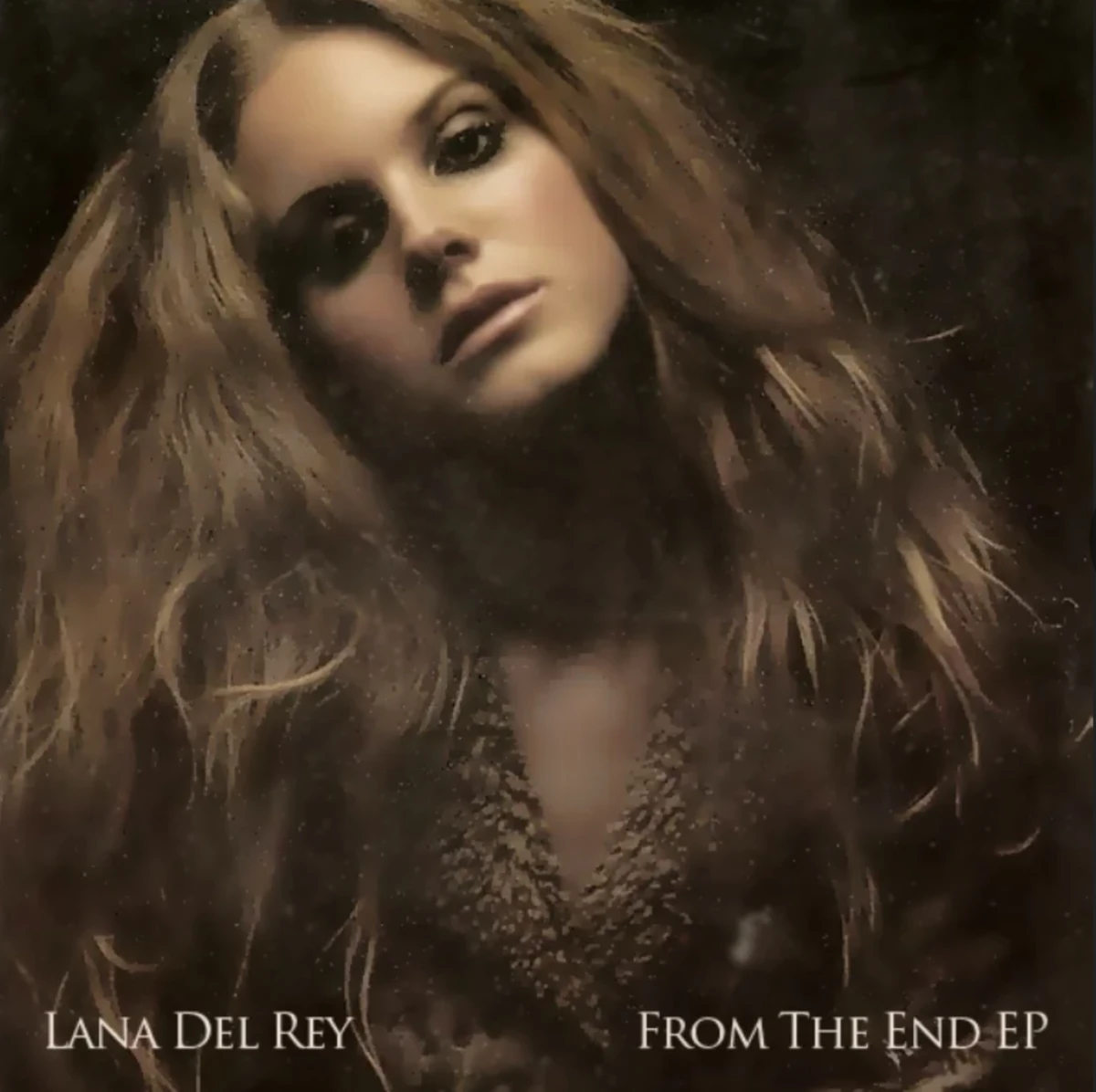
If you’ve ever fallen down a late-night rabbit hole of unreleased Lana Del Rey demos, you’ve probably stumbled across a project that feels like a ghost. It's grainy. It's acoustic. It sounds like it was recorded in a dorm room because, well, it mostly was. Young Like Me isn't just a random collection of songs; it’s basically the "Genesis" of the Lana Del Rey we know today, even though she was still going by Lizzy Grant back then.
Honestly, finding this EP feels like looking at a childhood photo of a friend you only met as an adult.
Registered with the U.S. Copyright Office way back in March 2005, the Young Like Me EP—sometimes floating around the internet under the title Rock Me Stable or Quiet Now—is a seven-track window into a 19-year-old Elizabeth Grant. This was long before the flower crowns of the Born to Die era or the "white-hot" poetry of her later years. It’s raw, it’s a little messy, and it’s surprisingly folk-heavy.
The Secret History of Young Like Me
Most people think Lana’s story starts with the 2010 AKA Lizzy Grant album, but the paper trail goes back much further. Young Like Me was recorded while she was still a student at Fordham University.
She was living in the Bronx, riding the subway, and clearly obsessed with a specific kind of American imagery that she’d spend the next two decades refining.
The EP contains seven tracks that would eventually leak in 2014, nearly a decade after they were copyrighted. If you listen to them back-to-back, you can hear her trying on different voices. The tracks include:
- "Blizzard"
- "You, Mister"
- "Junky Pride"
- "Move"
- "There’s Nothing to Be Sorry About"
- "More Mountains"
- "In Wendy"
What’s wild is that she hasn't really changed that much. The themes are all there. Loneliness. Toxic devotion. A weird, beautiful obsession with "the simple life."
Why the EP sounds so different (but familiar)
In 2005, Lana wasn't working with high-budget producers like Jack Antonoff. She was just a girl with a guitar.
Songs like "Junky Pride" feel more like a coffeehouse open mic than a stadium anthem. The production is sparse—mostly just acoustic strumming and her voice, which at the time was much higher and "breathier" than the smoky contralto we’re used to now. Some fans find it "cringe," but others see it as the purest version of her artistry.
It’s easy to dismiss early work as "amateur," but there’s a specific kind of brilliance in the lyrics of "Blizzard" that hints at the "Sad Girl" poet she would eventually become. You’ve got to remember, she was basically a kid when she wrote these.
What Young Like Me Tells Us About "Lizzy Grant"
The transition from Lizzy Grant to Lana Del Rey is one of the most debated "rebrands" in music history. Critics in 2012 used it as proof that she was a "fake" or a "manufactured" artist.
But Young Like Me proves the opposite.
It shows that the aesthetic was always there. The fascination with old-school Americana didn't come from a marketing meeting; it was in her notebooks when she was 19. If you compare the lyrics of "You, Mister" to something like "Blue Jeans," the DNA is identical. She was always interested in the "bad boy" archetype and the idea of being a "ride or die" partner.
It's sorta like she had the vision, she just didn't have the budget yet.
The Mystery of "Rock Me Stable"
There is a lot of confusion among fans regarding the title. When she registered the work, the application title was Rock Me Stable, with Young Like Me listed as an alternate.
This happens a lot with early Lana projects. She’s the queen of alternate titles. (Remember when Lust for Life was almost called something entirely different?)
Most hardcore fans prefer Young Like Me because it fits the melancholy vibe of the EP. It’s a plea for understanding. It’s the sound of someone who feels older than they are, yet is constantly being reminded of how young they actually are.
Why We Are Still Talking About This in 2026
You might wonder why an unreleased EP from 2005 is still getting hits on Google and being discussed in Discord servers today.
It’s about the lore.
Lana Del Rey has built one of the most complex "universes" in modern pop. Every unreleased song is a puzzle piece. For a new generation of fans—the ones who discovered her on TikTok during the Did You Know That There's a Tunnel Under Ocean Blvd era—going back to Young Like Me is like watching the pilot episode of a show that’s now in its tenth season.
It also offers a sense of comfort. In an era of over-polished, AI-generated pop, there is something deeply human about hearing Lana’s voice crack on a demo recorded twenty years ago. It’s imperfect. It’s real.
Actionable Next Steps for Fans
If you're looking to dive deeper into the world of early Lana, don't just stop at a YouTube rip of the EP.
Check the U.S. Copyright Office records. If you’re a real nerd for the facts, you can actually look up her registrations under Elizabeth Grant. It’s a great way to see what songs were written together and how she grouped her early projects.
Compare "Young Like Me" to "Sirens." Many of the songs on this EP were also part of the Sirens project, which she recorded under the pseudonym May Jailer. Listening to both gives you a better sense of her "folk" phase and how she used to structure her melodies before she moved toward trip-hop and "Hollywood Sadcore."
Look for the "Quiet Now" leak. While the official titles are documented, the most common way this EP circulated was via the Quiet Now leak. Finding the high-quality versions of these tracks is a rite of passage for any "Lanita."
Ultimately, Young Like Me isn't just "unreleased fodder." It's the blueprint. It reminds us that every superstar started somewhere—usually in a room with a guitar and a lot of feelings they didn't quite know what to do with yet.
Actionable Insight: To truly understand Lana Del Rey's evolution, create a playlist that starts with Young Like Me and ends with her latest 2025/2026 releases. You will notice that while the production changed, the "soul" of the girl from the Bronx remained exactly the same.



