Imagine being a teenager in the late 90s. You're wearing a Chicago Bulls jersey, you've got an expensive pair of Air Jordans, and you spend your afternoons drawing meticulous pencil sketches of Michael Jordan. You're kind of shy. You're definitely obsessed with Jean-Claude Van Damme movies.
Basically, you’re a normal kid. Except your name is "Pak-un," and back home in North Korea, you’re literally a god in waiting.
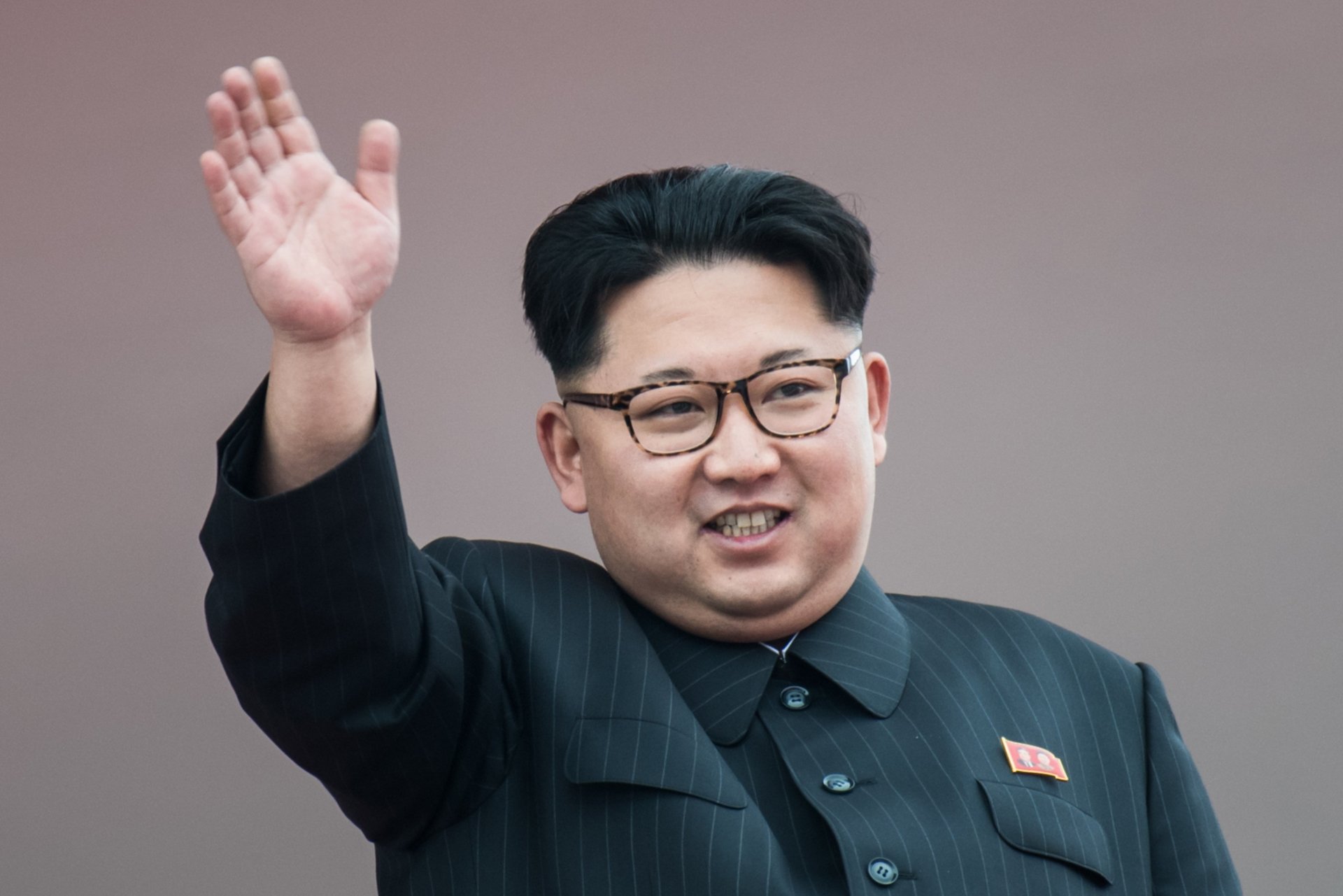
Most people think of the North Korean leader as a finished product—the suit, the hair, the nuclear posture. But the era of young Kim Jong Un is a weird, surreal period of history that reads more like a spy novel than a biography. For nearly a decade, the future "Supreme Leader" lived as a ghost in the suburbs of Bern, Switzerland.
The Bern Identity: Why a Dictator-in-Waiting Went to Public School
It’s one of those facts that sounds fake until you see the photos. In the mid-1990s, the Kim family decided that their youngest son needed a Western education. But they didn't send him to some elite, gated boarding school for the ultra-wealthy. Instead, after a brief stint at the private International School of Berne, he ended up at Steinhölzli, a regular public school in the middle-class neighborhood of Liebefeld.
He lived in a modest apartment at Kirchstrasse 10. No palace. No gold-plated faucets.
He was registered as the son of a North Korean embassy employee. His classmates just thought he was a quiet kid from East Asia who was really bad at German but really good at math. Honestly, the level of secrecy is staggering. While the North Korean people were enduring a horrific famine—the "Arduous March"—the young heir was walking to school on foot, without a bodyguard in sight, carrying a backpack that reportedly once contained a bondage magazine.
Kids are kids, I guess. Even the ones destined to run a hermit kingdom.
Basketball, Nike, and the Michael Jordan Obsession
If you want to understand young Kim Jong Un, you have to understand his obsession with the NBA. This wasn't just a hobby. It was a lifestyle.
His former classmate Joao Micaelo, who now works as a chef, remembers a kid who was "funny" and "hated to lose." They spent hours on the court. Kim wasn't tall—maybe 5'6"—and he was a bit chunky, but he was competitive. He wore authentic NBA jerseys that cost more than most people's rent.
- He would spend hours doing pencil drawings of Michael Jordan.
- He owned a Sony PlayStation when most of his neighbors didn't.
- He had an impressive collection of Nike sneakers.
There’s this one story from Kenji Fujimoto, the family’s former sushi chef, about how a seven-year-old Kim demanded to drive a Mercedes. They put a wooden box under his feet so he could reach the pedals. By 14, he was reportedly drinking high-end vodka. It’s a bizarre mix of normal teenage awkwardness and the kind of "spoiled prince" behavior that only comes from being part of a ruling dynasty.
The Two Versions of the "Great Successor"
There is a huge gap between the Swiss schoolboy and the "General" who emerged in 2010.
In Switzerland, he was described as shy and awkward with girls. He wasn't the top of his class; in fact, he struggled with the language and missed a lot of school days. But back in Pyongyang, the narrative was different. The regime claimed he was a military genius who could fire a gun at age three and was winning boat races by age nine.
Which one is real? Probably neither.
The "shy kid" in Bern was a mask, and the "military genius" in Pyongyang is a myth. The reality is likely somewhere in the middle: a young man who was deeply isolated. Fujimoto once recalled how Kim, even as a teenager, wondered aloud about the lives of ordinary North Koreans while he was out rollerblading on the family’s private estates. He knew he was different. He knew his life was a gilded cage.
What This Means for Today
Understanding the young Kim Jong Un isn't just about trivia. It gives us a glimpse into his psyche. He saw the West. He saw the wealth, the freedom, and the pop culture. Some analysts thought this would make him a reformer. They were wrong.
Instead, it seems his time in the West taught him exactly what he needed to protect: the family business. He saw that without the "Supreme Leader" title, he was just a kid who was mediocre at German and obsessed with basketball.
Actionable Insights for the Curious
If you're trying to piece together the history of this period, don't rely on state media. Here is how you can actually verify the details of his early life:
- Check the "Fujimoto Memoirs": Kenji Fujimoto is one of the only outsiders who spent years with Kim as a child. His books, though controversial, provide the most intimate look at the family’s private life.
- Look for the 2012 Lyon Study: French anthropologists compared photos of the Swiss schoolboy with the adult Kim Jong Un and found a 95% facial conformity match. It’s the closest thing we have to scientific proof of his identity.
- Track the "Pak-un" Pseudonym: Search for archives from the Berne area schools between 1998 and 2000. The records of a "diplomat's son" leaving abruptly in the middle of the school year align perfectly with Kim's return to North Korea.
He didn't leave Switzerland with a degree. He left with a PlayStation and a deep understanding of how the rest of the world lives—and he’s spent the last decade making sure his own people never get to see it for themselves.
Next Steps for You: To get a better handle on how this upbringing influenced his current policy, you should look into the history of the Jang Song-thaek execution. It shows the brutal shift from the "shy student" to the calculating ruler who eliminated his own uncle to consolidate power.