It was never supposed to happen. After that brutal cliffhanger in 2013, fans spent years screaming into the void of social media, begging for a miracle that eventually arrived in the form of Young Justice: Outsiders. But when Young Justice season 3 finally dropped on the now-defunct DC Universe streaming service, it wasn't exactly the show people remembered from Cartoon Network. It was weirder. It was bloodier. Honestly, it was a lot to process.
The jump from a TV-PG rating to a TV-MA environment changed the DNA of the show. We went from "the sidekicks are growing up" to "here is a graphic depiction of a teenager being melted and reformed in a metahuman trafficking pod." If you were looking for the clean, crisp Saturday morning vibes of the first two seasons, Outsiders probably felt like a punch to the gut.
The Metahuman Traffic Jam
The core of Young Justice season 3 revolves around a concept that feels uncomfortably relevant: the exploitation of children. In this universe, the "metagene" is basically a natural resource. Markovia, a fictional European nation, becomes the ground zero for a global trafficking ring where kids are kidnapped, triggered into having powers, and sold as living weapons to the highest bidder—usually Reach remnants or Apokolips.
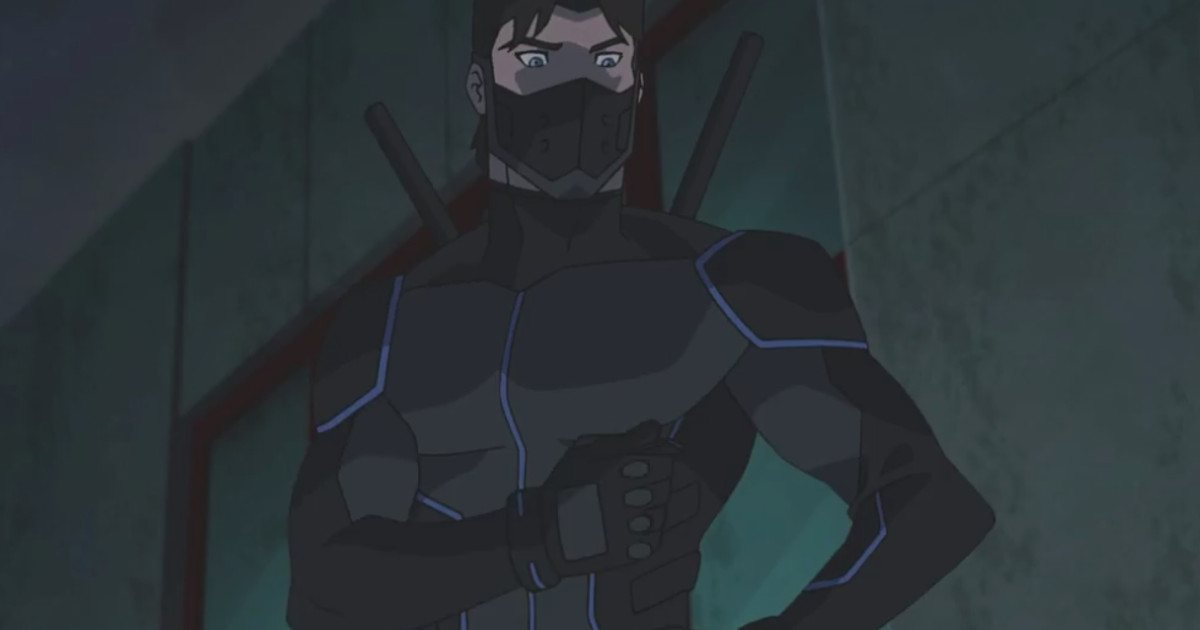
Nightwing, who has basically turned into the Batman of this generation, puts together a "black ops" squad because the Justice League is too bogged down by UN politics. This is where things get messy. The political subplot involving Lex Luthor as the Secretary-General of the United Nations is actually one of the most brilliant, frustrating parts of the season. He uses bureaucracy to neuter the heroes. It’s a slow burn, and if you came for the capes-and-tights brawls, the endless scenes of committee meetings might have felt like homework.
New Kids on the Block
We spent two seasons falling in love with Dick Grayson, Artemis, and Kaldur'ahm. Then, Outsiders introduced a whole new crop of protagonists:
- Prince Brion (Geo-Force): A hothead with lava powers who is desperate to find his kidnapped sister, Tara.
- Halo (Violet Harper): A literal Mother Box inhabiting the body of a deceased girl. Their journey of self-discovery is the emotional heart of the season, even if their power set (basically a rainbow of abilities) feels a bit like a "deus ex machina" at times.
- Forager: A bug from New Genesis. You either love Forager or you find Forager's third-person speaking habit incredibly grating. There is no middle ground.
The sheer volume of characters is staggering. Showrunners Greg Weisman and Brandon Vietti have always loved "world-building," but in Young Justice season 3, the world gets so big it almost collapses under its own weight. We’re jumping from the streets of Star City to the depths of space to the political halls of Markovia. It’s ambitious. Maybe too ambitious?
Why the Animation Quality Became a Talking Point
Let’s be real for a second. The jump to a streaming budget didn't necessarily mean a bigger budget. Many fans noticed that the fluid, high-octane action of Season 1 felt replaced by more static frames and "slide-show" style pans in Outsiders. This was likely a result of the production being split across different studios and the reality of producing 26 episodes for a niche streaming platform.
The character designs by Phil Bourassa remained top-tier, but the execution sometimes lagged. You'll notice it most in the "interlude" episodes. However, the show made up for it with sheer narrative density. Every single background character has a name and a history. If you see a random hero in the background of a Justice League meeting, they probably have a five-page backstory in the creators' heads.
The Anti-Light and the Moral Gray Area
The most controversial element of Young Justice season 3 wasn't the violence; it was the "Anti-Light." To counter the secret society of villains (The Light), Nightwing, Batman, Miss Martian, and Aquaman (Kaldur) form their own secret cabal. They lie to their teammates. They manipulate events behind the scenes.
It's a "the ends justify the means" approach that feels very Watchmen. Seeing our heroes—the ones we watched grow up—becoming the very deceivers they used to fight is uncomfortable. Beast Boy, of all people, becomes the moral compass here. He forms the "Outsiders" to be heroes in the public eye, operating with total transparency. It’s a fascinating ideological clash: Batman’s shadows vs. Gar’s social media-driven heroism.
The Tara Markov Twist
If you’ve read The Judas Contract comics, you thought you knew what was coming with Terra. But Young Justice thrives on subverting expectations. The way they handled Tara’s betrayal—or lack thereof—in the finale was a masterclass in using established lore to trick the audience. It wasn't about a girl being "evil"; it was about the trauma of being a pawn in a game played by adults.
Dealing with the Trauma of Season 2
We have to talk about Wally West. The "Kid Flash" shaped hole in the heart of this show is massive. Young Justice season 3 spends a lot of time on Artemis’s grief. The episode "Overwhelmed" is a standout, featuring a magical intervention by Zatanna that helps Artemis find closure. It’s one of the few times the show slows down enough to let the characters actually breathe.
Many fans were convinced Wally would return through the Speed Force. He didn't. The show stayed disciplined, focusing on the reality of loss rather than easy comic book resurrections. That’s a gutsy move for a superhero show.
How to Watch Young Justice Season 3 Effectively
If you’re diving back in or watching for the first time, don't try to binge it in one sitting. It's too dense.
- Watch the "Essential" Episodes First: If the Markovian politics get boring, focus on the episodes centered on the original Team (Nightwing, Artemis, Conner, M'gann).
- Pay Attention to the Dates: The timestamps at the beginning of each scene aren't just for flavor; they track the meticulous timeline the showrunners use to keep the sprawling plot organized.
- Listen to the "Bowhunter Security" Episode: Episode 9 is arguably the funniest episode in the entire series. It's a much-needed break from the grim-dark trafficking plot.
- Context Matters: Remember that this season was produced after a six-year hiatus. It was designed to "grow up" with the fans who watched it as kids in 2011.
The legacy of Young Justice season 3 is complicated. It didn't have the perfection of the first season, but it pushed the boundaries of what a DC animated show could be. It tackled gender identity through Halo, the pitfalls of social media through Beast Boy, and the messy reality of international law through Lex Luthor. It’s a messy, brilliant, over-stuffed masterpiece of superhero storytelling.
If you want to understand where the DCU is heading under James Gunn, looking at the structural complexity of Young Justice is a great place to start. It proved that audiences are hungry for long-form, serialized animation that doesn't talk down to them. To get the most out of your rewatch, track the "secret" alliances from episode one; the payoffs are buried in the background dialogue of scenes you probably skipped the first time around. Keep an eye on the character "Vandal Savage"—his backstory episode "Evolution" is perhaps the best bit of lore-building in the entire franchise.