We waited. Man, did we wait. For six long years, the "Renew Young Justice" hashtags flooded every corner of the internet after Cartoon Network pulled the plug in 2013. When Young Justice Season 3, officially titled Outsiders, finally dropped on the now-defunct DC Universe streaming service in 2019, the vibe was electric. It felt like a victory for fan-led campaigns. But once the dust settled and the 26 episodes played out, the conversation shifted from "I’m just glad it’s back" to "Wait, what exactly is this show now?"
The shift was jarring.
Honestly, the jump from a structured Saturday morning cartoon to a TV-MA streaming original changed the DNA of the series. It got bloodier. It got more political. It got... crowded. While the core DNA of Greg Weisman and Brandon Vietti’s storytelling remained, the third outing of the Team was a sprawling, messy, and deeply ambitious piece of superhero fiction that still sparks debates in Reddit threads today.
The Brutal Shift to DC Universe
Moving to a streaming platform meant the gloves were off. Literally. In the very first episode, we saw a meta-human girl get murdered and her body unceremoniously dumped. It was a far cry from the days of "dissevering" and "whelmed." This wasn’t just for kids anymore. By leaning into the horrors of meta-human trafficking, Young Justice Season 3 tackled a dark, real-world parallel that felt timely but occasionally suffocating.
The plot centered on the Markovian royals, specifically Prince Brion (Geo-Force) and his search for his kidnapped sister, Tara. If you know your DC Comics history, specifically the Judas Contract by Marv Wolfman and George Pérez, you knew exactly where the Terra storyline was headed. But the show did something clever. It used our meta-knowledge against us. It toyed with the idea of redemption and betrayal in a way that kept even the most seasoned comic readers guessing until the final stretch.
New Faces and the Crowding Issue
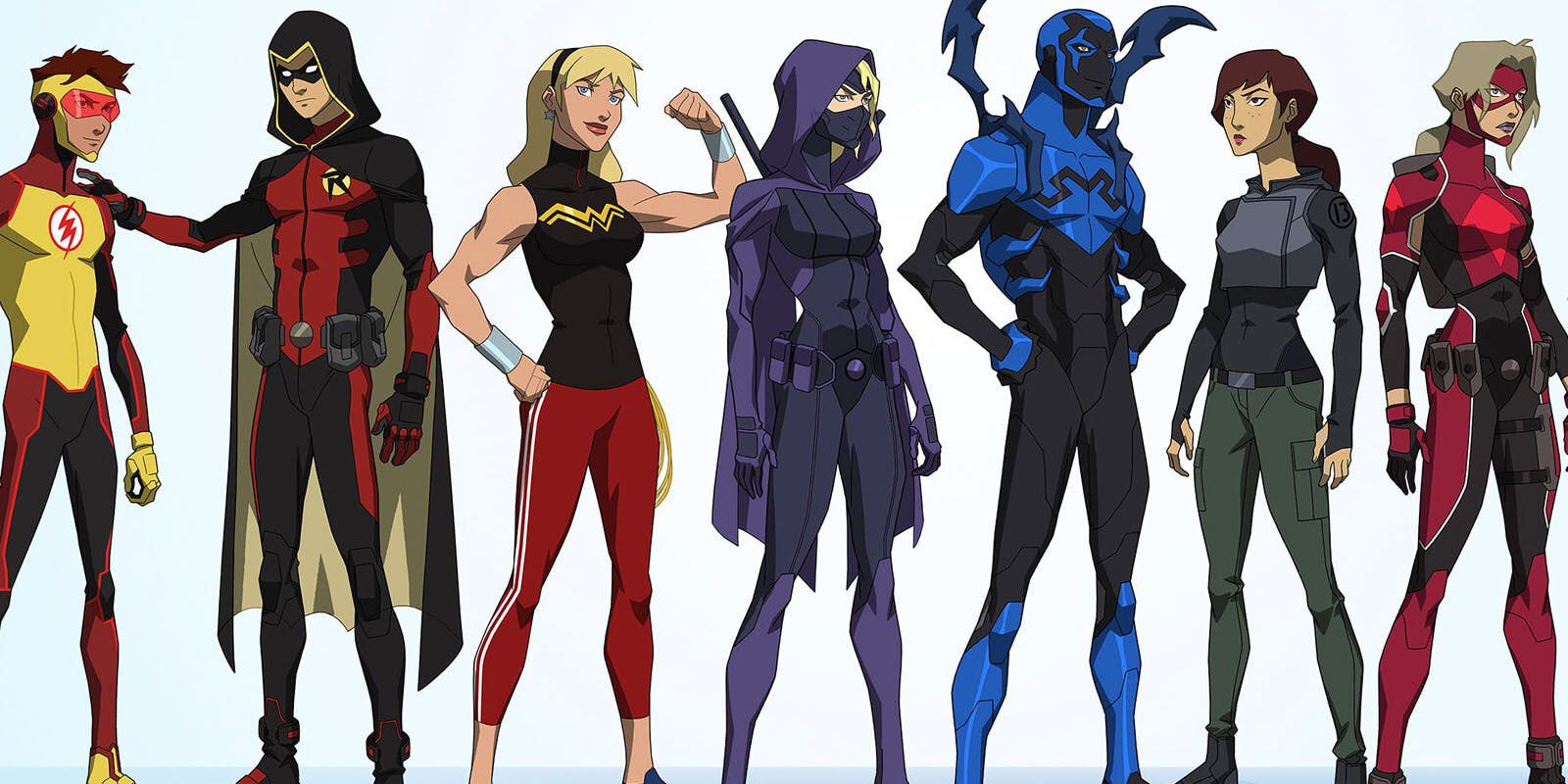
We have to talk about the roster. The show has always expanded—Season 2 introduced a massive time jump—but Season 3 took it to an extreme. We had the "OG" Team (Nightwing, Artemis, Aqualad, Superboy), the Season 2 leftovers, the Justice League, and then the new Outsiders.
Brion, Halo, and Forager became the emotional core.
Forager is great. Everyone loves a sentient bug with a penchant for third-person speech. But the focus on these newcomers meant fan favorites like Tim Drake or Cassie Sandsmark were basically background extras. You’d see Robin in the corner of a frame and realize he hadn't spoken in four episodes. It’s a risky move. When you spend six years begging for a show to return, you usually want to see the characters you fell in love with, not a brand-new class taking up 70% of the screen time.
That said, Halo (Violet Harper) provided one of the most unique perspectives in superhero media. As a Mother Box inhabiting the body of a deceased girl, Violet’s journey through identity, religion, and non-binary discovery was handled with a level of nuance you rarely see in the genre. It wasn't just a "very special episode" trope; it was baked into the plot.
Why the Animation Quality Became a Talking Point
Let's be real for a second. The art style changed.
While Phil Bourassa’s character designs remained iconic, the actual fluid motion we saw in the first two seasons felt... stiff at times. There were a lot of panning still frames. You noticed it during the heavy dialogue scenes in the second half of the season.
Budgetary constraints are a thing, even for big DC properties. Producing 26 episodes of high-end animation is an Olympic-level feat. When the show transitioned from the first 13 episodes (Part A) to the final 13 (Part B), the pacing felt like it was sprinting to hit a dozen different plot points:
- The Anti-Life Equation.
- Granny Goodness’s VR trap.
- Beast Boy’s social media crusade.
- The ongoing "Light" vs. Justice League chess match.
- Darkseid’s slow-burn invasion.
It’s a lot to juggle. Sometimes the balls dropped.
The "Anti-Light" and Ethical Grey Areas
The most fascinating part of Young Justice Season 3 wasn't the fights. It was the "Anti-Light."
Nightwing, Miss Martian, Aquaman (Kaldur’ahm), and Batman decided to fight fire with fire. They formed their own secret cabal to manipulate events behind the scenes, lying to their own teammates to achieve a "greater good." This created a massive rift. When the truth came out, it wasn't a quick fix. The betrayal felt heavy. It questioned the moral superiority of the heroes. If the Justice League has to act like The Light to beat The Light, have they already lost?
This meta-narrative about "optics" and "public image" was spearheaded by Gar Logan. Seeing Beast Boy turn the Outsiders into a public-facing, social media-savvy superhero team was a stroke of genius. It modernized the concept of the "celebrity hero" in a way that felt organic to the 2020s. It wasn't just about punching Despero; it was about winning the hearts and minds of a cynical public.
Addressing the Vandal Savage Obsession
We spent a lot of time in the past this season. Episode 14, "Evolution," was basically a history lesson on Vandal Savage. Some people hated the detour. I actually loved it. Understanding that Savage views himself as the ultimate protector of Earth—someone who is preparing the planet for an inevitable clash with Darkseid—turns him from a generic villain into a tragic, albeit genocidal, visionary.
The reveal that his daughter, Cassandra, is part of his eternal plan added a layer of domestic horror to the cosmic stakes. Savage isn't just a conqueror; he’s a patriarch building a legacy across millennia.
The Fallout of the Finale
The ending of Outsiders didn't give us a neat bow.
Brion’s "betrayal" and his ascension to the throne of Markovia was a gut punch. It felt earned. He was a character defined by rage and a desire for belonging, and the Light exploited that perfectly. Seeing a hero fall not because they turned "evil," but because they chose nationalism and "order" over their friends, was a sophisticated way to end the arc.
And then there was the diner scene.
The Legion of Super-Heroes ring.
That tiny reveal sent the fandom into a tailspin. It promised that the scope was only getting bigger. For some, this was the ultimate hype moment. For others, it was a sign that the show was never going to slow down and just let the characters breathe.
How to Approach a Rewatch
If you’re diving back into Young Justice Season 3, you have to change your expectations. Don’t look at it as a sequel to the Saturday morning show. Look at it as a dense political thriller that happens to have capes.
Key things to watch for:
- The background cameos: The show is famous for including every DC character ever created. Keep an eye on the civilians.
- The "Gray" morality: Pay attention to how often the "good guys" lie. It’s more frequent than you think.
- Halo’s deaths: Violet dies and comes back a lot. Each time usually signifies a shift in their power set or emotional state.
- The Meta-Human trafficking subtext: It’s a dark mirror to real-world exploitation.
The show isn't perfect. It’s overstuffed. It’s occasionally dry. But it is incredibly intelligent. It assumes the audience is smart enough to follow complex geopolitical maneuvers and intricate comic book lore without holding their hand. In an era of "dumbed down" reboots, that's something worth respecting.
The legacy of Outsiders is ultimately about the cost of secrets. Whether it's a prince keeping a secret from his people or a mentor keeping a secret from his protege, the fallout is always the same: broken trust.
To get the most out of the experience, watch the first two seasons again first. Not because you'll be lost—the show does a decent job of recapping—but because the emotional weight of seeing Dick Grayson grow into a jaded leader only lands if you remember him as the pun-making kid from Season 1.
Once you finish, look into the Young Justice: Targets comic series. It bridges the gap between seasons and fleshes out the characters who didn't get enough screen time in the show. It's the best way to satisfy that craving for more "whelmed" content while waiting for the next inevitable fan campaign to save the show again.



