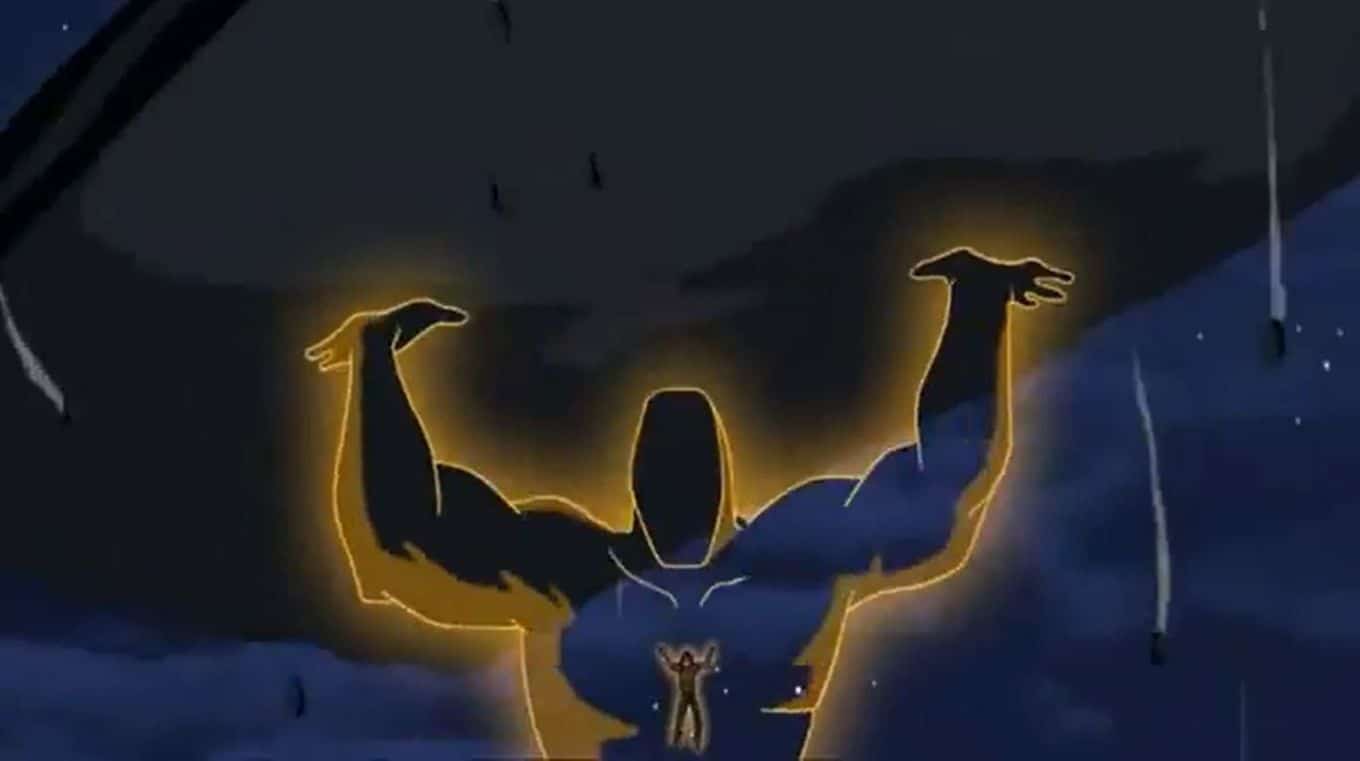
When Young Justice returned to Cartoon Network in 2012, it didn't just start a new chapter; it blew up the book. Fans tuned in expecting to see Robin, Aqualad, and Superboy exactly where they left them on New Year’s Eve. Instead? We got a "Five Years Later" title card that felt like a gut punch. Young Justice Invasion Season 2 remains one of the most daring, frustrating, and ultimately brilliant swings in superhero animation history. It changed everything.
Dick Grayson wasn't Robin anymore—he was Nightwing, leading a massive team from a computer console. Tim Drake was the new Robin. Most shockingly, fan-favorites like Artemis and Kid Flash were "retired," living a normal life that felt inherently wrong to those of us who had spent the previous year watching them fall in love in the heat of battle. It was a lot to take in. Honestly, some people never really got over it.
The Reach and the Light: A Complex Web
The plot of Young Justice Invasion Season 2 is notoriously dense. If you blinked, you missed a major geopolitical shift or a character betrayal. The season centers on the "Invasion" by The Reach, an alien race that pretends to be peaceful ambassadors while secretly harvesting the "metagene" from humans. They weren’t just generic monsters; they were corporate villains. They used soda and marketing.
What made this season special was the layered antagonism. You had The Light—the secret society of DC villains led by Vandal Savage—playing a dangerous game of "the enemy of my enemy is my friend." They allowed The Reach to come to Earth because it suited their long-term goals of galactic dominance, but they were also ready to backstab the aliens the moment it became convenient. This wasn't a Saturday morning cartoon where the bad guy yells his plan. It was a chess match where the board was the entire planet.
Blue Beetle (Jaime Reyes) became the soul of the season. His struggle with the Scarab—an alien AI designed to turn him into a weapon for The Reach—provided the emotional stakes that kept the cosmic scale grounded. When Jaime finally loses control and becomes a puppet for the invaders, it feels like a genuine tragedy. You’ve spent episodes watching him try to be a hero, only for his own suit to betray him. It’s dark stuff for a show that shared a network with Adventure Time.
The Deep Cover Gamble
The most controversial narrative choice in Young Justice Invasion Season 2 has to be the Artemis and Aqualad "betrayal" plot. To get inside The Light, Nightwing helps Artemis fake her death so she can go undercover as "Tigress" alongside Kaldur'ahm, who had supposedly turned evil after the death of Tula.
Watching the team mourn Artemis—especially Wally West—was brutal because the audience knew the truth. It created this weird, uncomfortable tension. You wanted to scream at the screen that she was alive, but you also understood why Nightwing kept it a secret. It showed a shift in leadership style. Dick Grayson was becoming more like Batman than he ever wanted to admit. He was willing to lie to his best friends for the "greater good." This wasn't the happy-go-lucky Robin from season one. He was tired. He was older. He was carrying the weight of the world, and it showed in his eyes.
Why the Time Jump Worked (And Why it Didn't)
Critics of the time jump usually point to the "missing" development. We missed the transition. We missed Wonder Girl joining. We missed the fall of Tula. We missed the exact moment Lagoon Boy became Miss Martian’s rebound boyfriend (and let's be real, nobody actually liked "Neptune's Beard" as a catchphrase).
However, from a storytelling perspective, the jump allowed Greg Weisman and Brandon Vietti to skip the "training wheels" phase. They threw us into a world where the stakes were already at a breaking level. The DC Universe felt lived-in. It felt massive. By introducing "The Team" as a legitimate military-grade operation with dozens of members, the show moved away from being a Teen Titans clone and became a sprawling epic.
- The New Guard: Characters like Static, Impulse, and Beast Boy added fresh energy.
- Impulse's Mission: Bart Allen coming back from a dystopian future added a Terminator-style urgency to every episode.
- The Loss of Innocence: The season ends with the death of Wally West, a moment that still triggers debates in Reddit threads and Discord servers.
Wally’s death was the ultimate "Invasion" consequence. He wasn't even supposed to be a hero anymore. He came out of retirement to save the world, and he wasn't fast enough to survive the kinetic energy of the Reach’s "Chrysalis" machine. It was a poetic, devastating end for the heart of the original team. It proved that in this show, actions had permanent consequences.
The Production Reality Behind the Scenes
It’s impossible to talk about Young Justice Invasion Season 2 without mentioning the "Great Hiatus." Cartoon Network’s scheduling was a nightmare. The show would air a few episodes and then disappear for months without explanation. This killed the momentum for casual viewers.
The eventual cancellation of the show after this season wasn't due to poor ratings, but rather a toy line that failed to sell. It’s one of the most infamous examples of "executive meddling" in animation history. Fans spent years campaigning with the #SaveYoungJustice hashtag before the show was eventually revived for a third season on DC Universe years later. But for a long time, the finale of Invasion—with Vandal Savage arriving on Apokolips to meet Darkseid—was the only ending we had. It was a massive cliffhanger that felt like a permanent "what if."
Impact on the DC Animated Landscape
Before Invasion, superhero shows tended to be episodic. You could watch them out of order. Young Justice Invasion Season 2 demanded your full attention. It treated its audience like adults. It dealt with themes of xenophobia, genetic engineering, and the ethics of preemptive strikes.
It paved the way for the current era of serialized adult animation. Without the success and cult following of this season, we likely wouldn't have shows like Invincible or the more mature seasons of Harley Quinn. It proved there was a massive market for "prestige" superhero storytelling that didn't talk down to its viewers.
Actionable Insights for Fans and New Viewers
If you're planning to revisit the series or jumping in for the first time, keep these things in mind to get the most out of the experience:
- Watch the "Legacy" shorts: There are various tie-in comics and short clips that fill in some of the five-year gap. They aren't strictly necessary, but they make the transition less jarring.
- Pay attention to the background: The Reach’s propaganda is everywhere in the early episodes. Look at the posters and the "Reach Juice" cans. The world-building is incredibly detailed.
- Track the Scarab’s dialogue: The relationship between Jaime and his suit evolves in every episode. It’s a masterclass in character development through dialogue.
- Accept the "New" Team: Don't spend the whole season wishing it was just the original six. The new characters like Impulse and Blue Beetle are actually where the best writing happens in this arc.
- Brace for the finale: The "Endgame" episode is a whirlwind. It wraps up the Reach plot but leaves the door wide open for the cosmic threats that define the later seasons.
The brilliance of this season is that it respects the viewer’s intelligence. It’s messy, it’s complicated, and it’s occasionally heartbreaking. But that’s why it’s still the gold standard for many DC fans.



