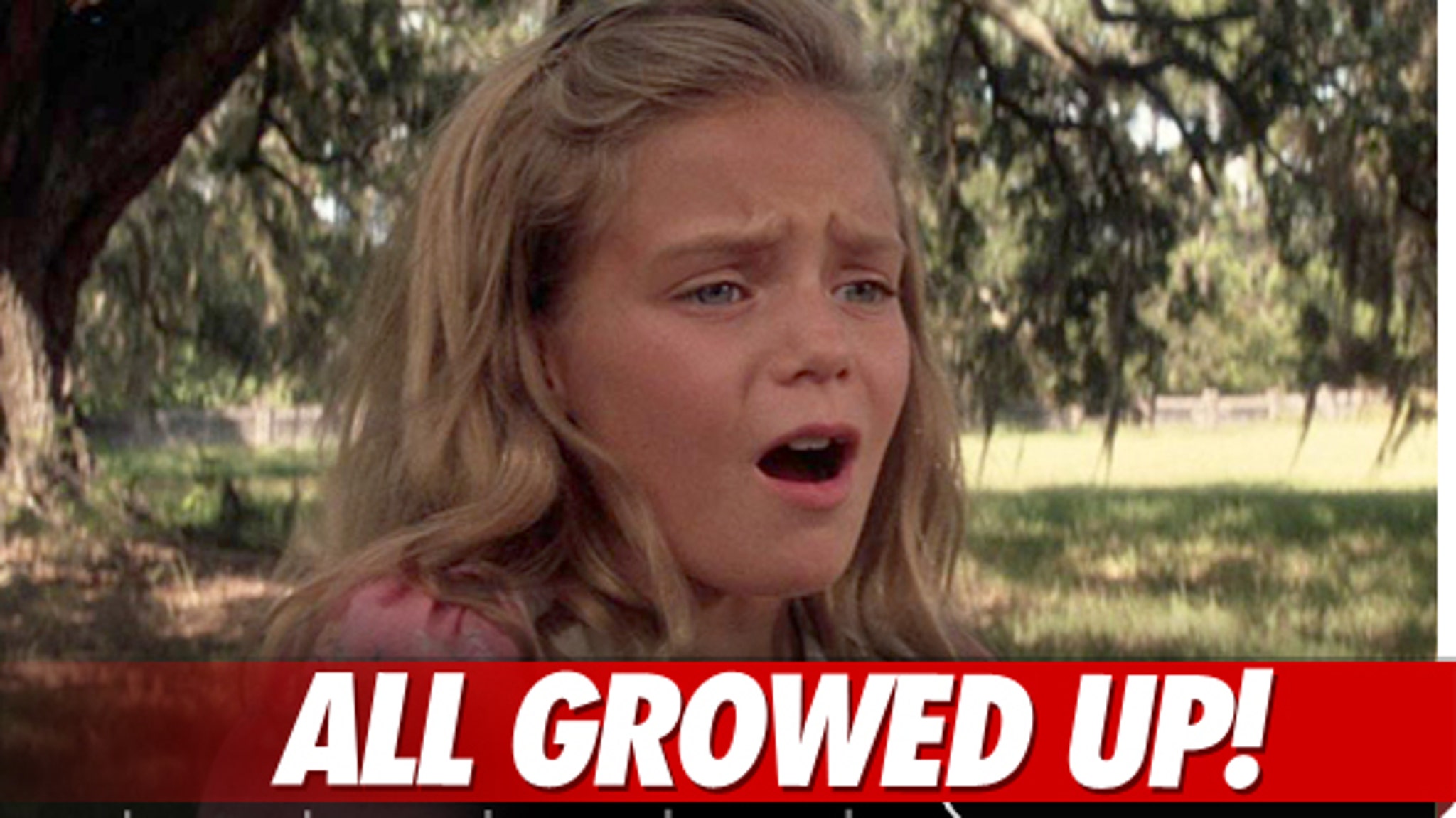
You know that scene. The one where two kids are huddled in a tall cornfield, praying to turn into birds so they can fly far, far away. It’s a moment that feels like a fairytale, but if you actually look at young Jenny in Forrest Gump, you realize it’s the setup for the most devastating character arc in modern cinema. Most of us saw this movie as kids and thought, "Oh, they're just best friends."
Man, were we wrong.
Basically, the "childhood sweetheart" trope hides a much grittier reality. While Forrest is out running across the country or meeting presidents, Jenny is navigating a life defined by the trauma she picked up in that dilapidated shack in Greenbow, Alabama.
The Girl Behind the Prayer
Hanna Hall was only nine years old when she played the role of young Jenny in Forrest Gump. Honestly, her performance is what anchors the entire emotional weight of the film. Without that specific foundation of vulnerability, adult Jenny’s later choices—the drugs, the toxic boyfriends, the "bridge scene"—don't make any sense to an audience.
Hanna Hall has mentioned in interviews that she actually understood the heavy themes of the script, even at eight or nine. She wasn't just a kid hitting marks. She knew this character was hurting. Interestingly, the production even filmed scenes that were eventually cut because they were deemed too dark. There was a version where it was implied that Jenny might have even killed her father to escape the abuse.
Robert Zemeckis ultimately decided to keep the abuse more "suggestive" through Forrest’s unreliable narration. Think about it. Forrest tells us Jenny’s daddy was a "very loving man" because he was "always kissing and touching her and her sisters."
That’s a gut punch.
We see the horror through the eyes of someone too innocent to understand it, which makes the reality of young Jenny in Forrest Gump feel even more isolating. She was alone in her pain, even when she was standing right next to her best friend.
Why the Cornfield Scene Matters
The prayer "Dear God, make me a bird, so I can fly far, far away" isn't just a cute kid quote. It’s a survival mechanism. In psychological terms, it’s a classic example of dissociation.
- Escape from Reality: Jenny couldn't physically leave, so she mentally checked out.
- The Bird Symbolism: Birds represent freedom, but they also represent something that can’t be touched or held down.
- Forrest as the Anchor: He was the only person who offered her "grounded" safety, yet she spent her whole life trying to be that bird she prayed to become.
The "Run Forrest Run" Legacy
"Run, Forrest, run!" is probably the most quoted line in movie history. But have you ever thought about why young Jenny in Forrest Gump is the one saying it?
She spent her life running.
When she tells Forrest to run, she’s giving him the only tool she has for survival. She’s teaching him how to escape the bullies, just like she’s trying to escape her house. It’s a tragic bit of projection. She can't save herself, but she can make sure the one person she loves gets away.
The Abandoned House and the "Not Enough Rocks" Moment
Years later, adult Jenny returns to that same house with Forrest. The house is a rotting carcass of her childhood. She starts hurling rocks at it. She’s screaming, crying, and eventually collapses into the dirt.
Forrest’s narration here is legendary: "Sometimes, I guess there just aren't enough rocks."
This ties directly back to young Jenny in Forrest Gump. The trauma didn't stay in the 1950s; it lived in her bones. Psychoanalytic studies of the character often point out that Jenny’s self-destructive path—the "anti-Forrest" journey—is a direct result of the "fragmented self" created in that house. While Forrest was told he could be anything, Jenny was shown she was an object.
A Quick Reality Check on the Filming Locations
If you're a movie nerd, you might want to know where that iconic house was.
- The Location: Most of the Alabama scenes were actually filmed in South Carolina, specifically around Beaufort.
- The House: The Gump boarding house and Jenny's childhood home were built specifically for the movie.
- The Fate: Because they weren't built to code, they were both torn down (or burned down, in the case of Jenny's shack) after filming.
What We Get Wrong About Jenny
A lot of people hate Jenny. They call her a "villain" or say she used Forrest. That's a pretty shallow take. Honestly, if you look at the life of young Jenny in Forrest Gump, you see a person who felt she was "unclean" or "broken."
She didn't stay away from Forrest because she didn't love him. She stayed away because she didn't want to "stain" his innocence with her reality. She was a girl who was never taught how to be loved properly.
Actionable Insights for Fans and Writers
If you're looking at this character from a storytelling or psychological perspective, here are a few things to keep in mind:
- Look for the "Why": Characters don't just "act out." Jenny’s adult chaos is a mirror image of her childhood lack of control.
- Unreliable Narrators: Forrest Gump is the ultimate unreliable narrator. To understand the real story, you have to read between his lines.
- The Cycle of Abuse: Jenny’s story is a realistic (and painful) look at how childhood trauma dictates adult relationships.
Jenny’s story isn't a side plot; it’s the shadow that makes Forrest’s light look so bright. Without the tragedy of the girl in the cornfield, the movie loses its soul. She wasn't just a "hippie girl" or a "drug addict." She was a kid who just wanted to fly.
Next time you watch the movie, pay attention to the silence between the lines. The real story of Jenny Curran is written in the things Forrest doesn't quite understand.
To dive deeper into the production of the film, you should check out the behind-the-scenes features on the 30th Anniversary 4K release. It has some great segments on how they cast the children to match the mannerisms of Robin Wright and Tom Hanks. Also, reading Winston Groom's original novel offers a very different (and much weirder) take on their relationship if you're up for a wild ride.



