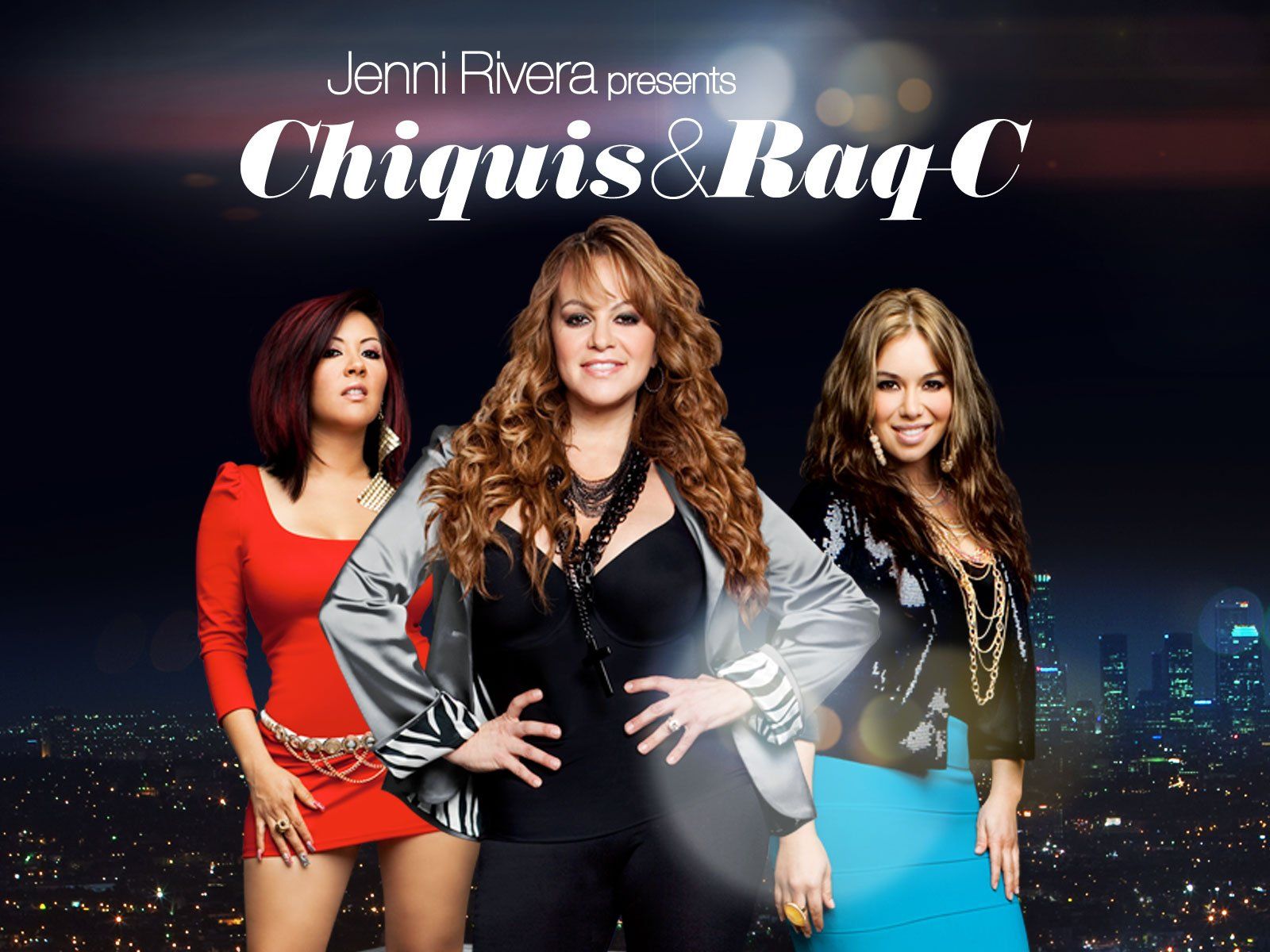
Everyone knows the "Diva de la Banda." They know the sold-out shows at the Staples Center, the flashy reality shows, and the tragic plane crash that took her too soon. But the story of young Jenni Rivera isn't just a prologue to a music career. Honestly, it's a gritty, high-stakes drama that started way before she ever touched a microphone.
Most people think she was born into the spotlight because her family owned a record label. That's kinda not the whole truth. She wasn't some pampered "nepo baby" of the Regional Mexican world. Long before the sequins, Jenni was a straight-A student in Long Beach who was basically destined for a corporate boardroom, not a concert stage.
The Straight-A Student and the Sophomore Surprise
Dolores Janney Rivera wasn't a rebel. At least, not at first. Growing up in Long Beach, California, she was the kid with the "too much promise" label. She was crushing it at Long Beach Polytechnic High School. We’re talking straight As. She was the pride of her immigrant parents, Rosa and Pedro.
Then everything changed.
In her sophomore year, at just 15, Jenni got pregnant. In a traditional Mexican-American household in the mid-80s, this was a massive scandal. Her parents actually kicked her out. Imagine being 15, pregnant, and suddenly living in a cramped garage with your boyfriend, José Trinidad Marín.
People expected her to disappear. To become another statistic.
But Jenni was stubborn. Like, "graduate as valedictorian" stubborn.
Even while raising her first daughter, Janney (who we now know as Chiquis), she didn't quit. She moved to a continuation school, Reid High, and didn't just pass—she finished at the top of her class. She was the one giving the speech at graduation. That’s the real young Jenni Rivera energy: taking a situation that would break most people and turning it into a win.
The Secret Corporate Life of "La Chacalosa"
Here is the part most fans miss: Jenni Rivera spent years as a licensed real estate agent.
After high school, she didn't run to a recording studio. She went to college. She earned a degree in Business Administration from California State University, Long Beach. She was a professional. She wore suits. She worked for Century 21 and was actually in the top 10% of agents nationwide.
She was making good money. She was successful in a way that had nothing to do with music.
"I became a singer because I'm a businesswoman," she once told journalist Gustavo Arellano.
She wasn't chasing a dream of fame; she was looking for a way to support her kids. Even when she started helping out at her father’s label, Cintas Acuario, she was doing the "boring" stuff. She was handling the books, managing the administration, and watching how the industry worked from the inside. She saw how they launched the career of Chalino Sánchez. She learned the math behind the music.
Breaking the "Banda" Glass Ceiling
When she finally decided to sing, it wasn't a graceful entry. It was a fight.
Regional Mexican music in the 90s was a total boys' club. Promoters literally laughed at her. One radio programmer in Los Angeles reportedly took her CD and threw it in the trash right in front of her. They told her women didn't sell records in banda. They said the audience—mostly men—wouldn't listen to a woman singing about heartbreak and "ovarios."
She didn't care.
Her first recording in 1992 was actually just a Father's Day gift for her dad. But the reaction was different than she expected. People liked her voice, sure, but they loved her attitude. She wasn't singing like a fragile flower. She was "La Chacalosa"—the party girl, the woman who took no mess.
- She recorded her first studio album, Si Quieres Verme Llorar, in the late 90s.
- It didn't blow up immediately.
- She kept working her real estate job while performing in dive bars on weekends.
She was living a double life. By day, she was selling houses. By night, she was fighting for airtime in a genre that didn't want her. It wasn't until 1999, with the hit "Las Malandrinas," that the young Jenni Rivera everyone had been underestimating finally arrived. She wrote that song specifically for her female fans—the girls who went to the clubs, drank tequila, and didn't need a man to pay the bill.
Surviving the Unthinkable
We can't talk about her early years without talking about the trauma. Her first marriage to Trino Marín was a nightmare of physical and emotional abuse. It lasted eight years.
It wasn't just the abuse she suffered, either. Later, she would discover that Marín had also molested her sister, Rosie, and her daughter, Chiquis. The legal battle to get him behind bars took years. He was a fugitive for nearly a decade before finally being caught in 2006.
That pain is what gave her music its edge. When you hear her sing "Inolvidable" or "Mírame," you aren't hearing a performance. You're hearing a woman who walked through fire and came out the other side with her head held high.
Why Her Early Years Still Matter
The reason young Jenni Rivera remains such an icon is that she was relatable. She wasn't a manufactured pop star. She was a teen mom who worked at flea markets. She was a college graduate who navigated the corporate world. She was a survivor of domestic violence who refused to stay a victim.
If you're looking to understand her legacy, don't just look at the Grammy nominations. Look at the 15-year-old girl who refused to drop out of school.
What you can do next to honor Jenni's journey:
- Support survivors: Jenni was a huge advocate for the National Coalition Against Domestic Violence. Consider donating or volunteering at a local women's shelter.
- Bet on yourself: Use Jenni’s business-first approach. If you’re starting a creative project, spend as much time learning the "boring" business side as you do on the art.
- Watch the early footage: Look for clips of her early performances at swap meets and small clubs. It’s a masterclass in grit and "ganas."
Jenni Rivera didn't just happen. She was built, brick by brick, through every struggle she faced in those early years in Long Beach.
Actionable Insight: If you're facing a major setback—whether it's personal or professional—remember that Jenni's "valedictorian" mindset was her greatest asset. She treated every obstacle as a business problem to be solved. Start by mapping out your own "business plan" for your comeback, just like she did when she transitioned from real estate to the stage.