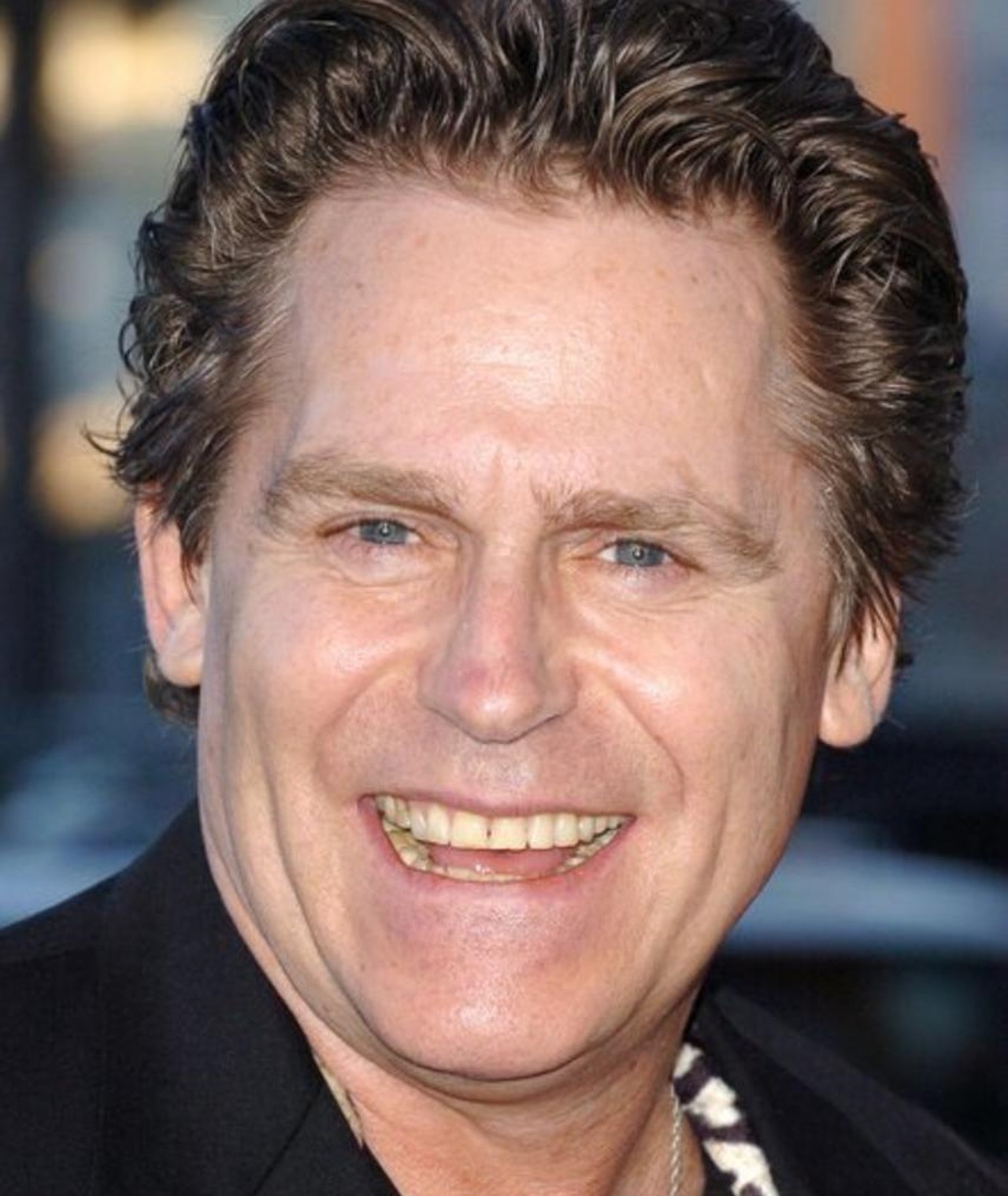
Everyone remembers the leather jacket. They remember the swagger, the "hickey from Kenickie," and that feathered 1970s hair that seemed to defy gravity. But if you think the story of young Jeff Conaway starts and ends with a comb and some hair grease, you’re missing the most interesting parts of the man. Honestly, the guy was a Broadway veteran before he could legally drive a car.
He wasn't just some Hollywood discovery found at a soda fountain.
By the time he was ten, Jeff was already standing on a Broadway stage. He landed a role in the Pulitzer Prize-winning play All the Way Home in 1960. Think about that for a second. While other kids were playing stickball in the streets of Queens, Jeff was working alongside acting royalty like Lillian Gish. He had this weird, accidental advantage: a Southern accent. He’d spent time with his grandparents in South Carolina, and when he walked into that audition with his mother, the director Arthur Penn heard exactly what he needed for a story set in Knoxville. He got the job. He stayed for the whole run.
The Broadway Years You Didn't Know About
A lot of people think John Travolta was the "original" Danny Zuko. He wasn't. Not even close.
When Grease first hit Broadway in the early '70s, young Jeff Conaway was the guy understudying basically every male role in the show. He was a utility player. Eventually, he took over the lead. He played Danny Zuko on stage for over two years. When Travolta finally joined the stage production, he wasn't the lead; he was playing Doody, the goofy kid with the guitar.
There’s a bit of irony there.
When the movie version started casting in 1977, Jeff naturally thought the role of Danny was his. He’d lived it. He’d breathed it for hundreds of performances. But Hollywood wanted Travolta, who by then was a massive star thanks to Welcome Back, Kotter. Jeff was bumped to Kenickie. He took it in stride, but he did make one demand: if he was playing Kenickie, the character had to have his own edge. He famously insisted on giving Stockard Channing real hickeys for their scenes because he wanted that "Kenickie" authenticity.
Why the "Greased Lightnin'" Switch Hurt
The biggest blow to young Jeff Conaway during the filming of Grease wasn't losing the lead role. It was losing his song.
In the original stage musical, "Greased Lightnin'" belongs to Kenickie. It’s his moment. It’s his car! But Travolta had "clout," a word Jeff used often when reflecting on those days. Travolta wanted the big dance number, and the producers gave it to him. If you watch the movie closely, you can see Jeff in the background of that scene. He’s smiling and dancing, but he's essentially a backup dancer for a song that was supposed to be his professional highlight.
It changed the trajectory of his career. Instead of being the breakout lead, he became the ultimate "best friend" or sidekick.
Life Before the T-Birds
Before the leather jackets, Jeff was actually a rock and roller. At 15, he was in a band called 3+1/2. They weren't just playing basement gigs, either. They actually toured and opened for acts like The Animals and Gladys Knight and the Pips. He even backed up Chuck Berry once.
He had this incredible, frantic energy.
- He attended the North Carolina School of the Arts.
- He transferred to NYU to study drama.
- He dropped out just months before graduation because Broadway came calling again.
He couldn't say no to the stage. For Jeff, the "struggling actor" vibe wasn't just a character he played later on Taxi; it was his actual life in New York during the mid-70s. He did guest spots on Happy Days and The Mary Tyler Moore Show, basically living out of a suitcase while waiting for the big one.
The Taxi Era: Bobby Wheeler and Reality
When Taxi premiered in 1978, Jeff was riding the highest wave of his life. He played Bobby Wheeler, a character that was almost a mirror of himself—a handsome, slightly vain actor driving a cab to pay the bills while waiting for his "big break."
The chemistry on that set was legendary, but it was also tough. Jeff was acting alongside heavyweights like Judd Hirsch and Danny DeVito. He held his own, but the internal pressure was immense. You’ve got to remember that during this time, he was one of the biggest heartthrobs in America. His face was on every teen magazine. But inside, he was dealing with the physical pain of a back injury sustained on the set of Grease—a fall during the "Greased Lightnin'" number that would eventually lead to his well-documented struggles later in life.
What We Can Learn From the Young Jeff Conaway Story
Looking back at his early years, it's clear Jeff was a victim of his own versatility. He was too good at being the supporting man.
If you're studying his career today, the takeaway isn't just about the fame; it's about the technical skill he brought to the table. He was a trained singer, a dancer, and a dramatic actor who could handle Pulitzer-level material at age ten. He wasn't just a "pretty face" from the '70s.
Actionable Insights for Fans and Historians:
- Watch the background: When re-watching the Grease movie, focus on Jeff’s physical acting. He had to walk slightly stooped in many scenes just so he wouldn't look taller than John Travolta.
- Check the credits: Look for his early appearance in Pete's Dragon (1977). He played one of the Gogan boys, and it’s one of the few times you see his musical theater energy captured on film before the Grease mania took over.
- The Broadway legacy: If you ever find a 1973 Playbill for Grease, check the cast list. You’ll see his name as Danny Zuko, a reminder of the career that almost was.
Jeff Conaway was a New York kid who conquered Broadway before he ever set foot in a Hollywood studio. He was a musician, a protégé of Arthur Penn, and a man who understood the craft of acting better than most of his peers. His early years weren't just a prelude to a tragic end; they were a masterclass in 20th-century entertainment.



