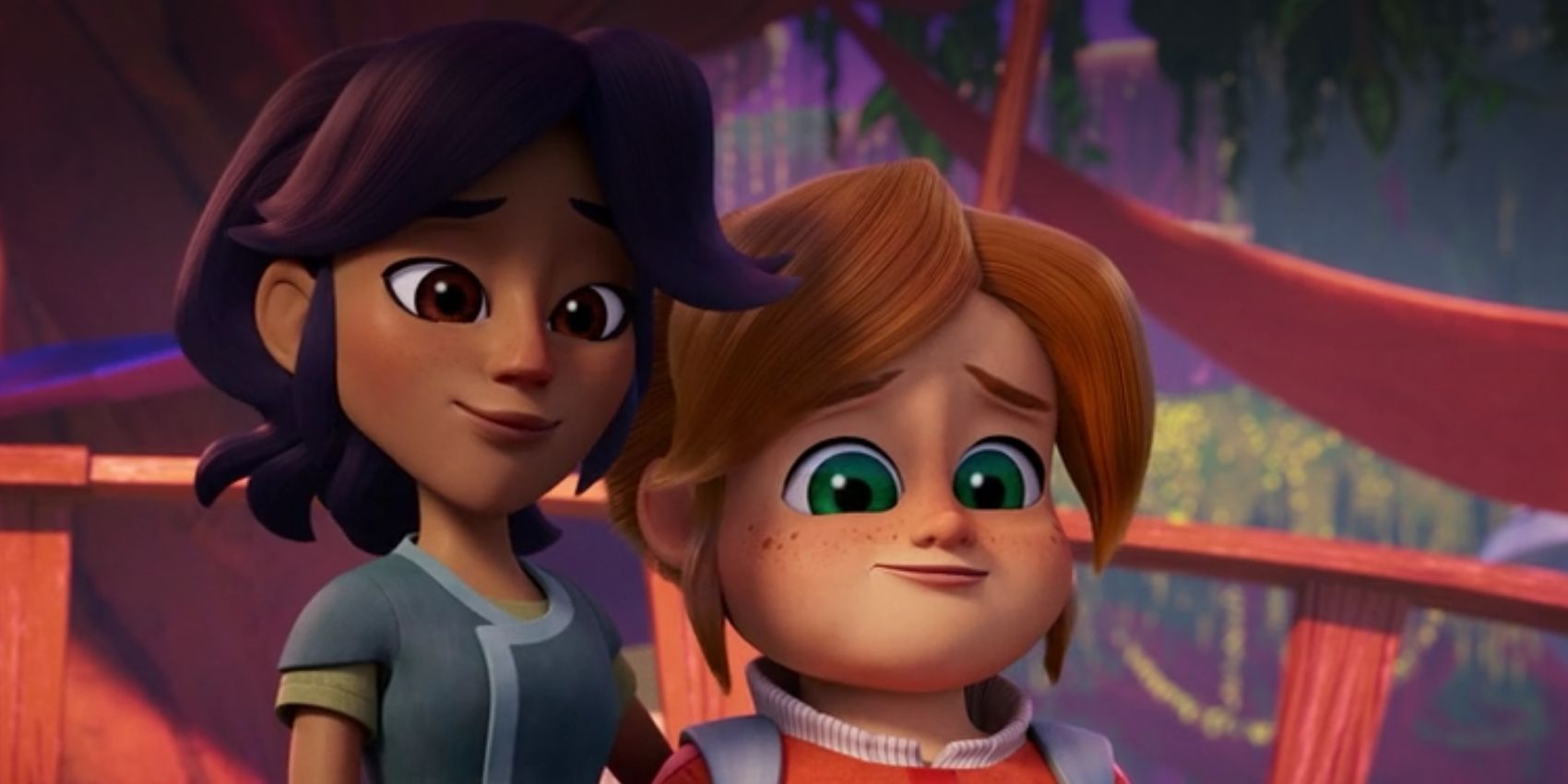
Getting a four-year-old to sit still is a monumental task. Getting them to engage with a book that doesn't involve a hungry caterpillar or a cat in a hat? That’s basically a Jedi Master-level feat. But Disney and Lucasfilm have been playing a long game with the High Republic era, and Young Jedi Adventures: My First Comic Reader Level 1 is the latest entry point for a generation that might actually know Kai Brightstar better than Luke Skywalker.
It’s a weird time for Star Wars fans. While the adults are arguing on Reddit about the nuances of the Force or the pacing of live-action shows, the kids are just vibing with blue fuzzy creatures like Nubs. This specific book series, the "My First Comic Reader" line, isn't just a random cash grab. It’s a very intentional bridge. It sits right in that sweet spot where a child is too old for board books but still gets intimidated by a page full of dense text.
The "Level 1" designation is the key here. In the world of early childhood literacy, "Level 1" usually means "we are going to use the same three words a lot, and the pictures do 90% of the heavy lifting." This comic reader follows that rule, but it does something else too. It introduces the visual language of panels.
Why Young Jedi Adventures: My First Comic Reader Level 1 is Actually Different
Most "Level 1" books are boring. There, I said it. They usually involve a dog named Pat who sits on a mat. Young Jedi Adventures: My First Comic Reader Level 1 replaces the mat with a Jedi Temple and the dog with a training droid.
The comic format is the secret sauce.
Think about how a kid’s brain works. They are visually dominant. In a standard early reader, the text is at the top or bottom, and the picture is a separate entity. In a comic reader, the action and the words are fused. When Kai Brightstar swings a lightsaber and the word "SWOOSH" appears next to it, the kid isn't just reading a word—they are experiencing a sound effect through a visual medium.
The vocabulary is controlled, but not condescending. You’ll see words like "Force," "Lightsaber," and "Friend." These are high-frequency words for a Star Wars household. Honestly, it’s easier to get a kid to sound out "Jedi" than it is to get them to care about "the ball is red." Motivation is the biggest hurdle in literacy, and let's face it: space wizards are motivating.
Breaking Down the High Republic for Toddlers
It’s fascinating that Lucasfilm chose the High Republic era for this. For those who aren't deep in the lore, the High Republic takes place about 200 years before The Phantom Menace. It’s a time of peace and exploration. No Darth Vader. No Emperor. No trauma-heavy backstories.
In Young Jedi Adventures: My First Comic Reader Level 1, the stakes are manageable. We aren't talking about the destruction of planets. We are talking about teamwork. We are talking about sharing. We are talking about why you shouldn't let your emotions get the better of you when you're practicing with a training remote. It’s basically preschool social-emotional learning wrapped in a brown robe and carrying a glowing stick.
The art style is ripped straight from the Disney+ animated series. It’s bright. It’s rounded. There are no sharp, scary edges. The characters—Kai, Lys, and the fan-favorite Nubs—have large, expressive eyes. This is a design choice known as "neoteny," which triggers a nurturing response in humans. It makes the characters instantly relatable to small children.
The Science of Panels and Literacy
We often overlook how complex reading a comic actually is.
You have to read left to right. You have to read top to bottom. You have to understand that the speech bubble coming from the character on the left happens before the one on the right. For a five-year-old, this is a massive cognitive workout. Young Jedi Adventures: My First Comic Reader Level 1 simplifies this by using large panels and very few word balloons per page.
It's "training wheels" for media literacy.
I've seen parents worry that comics aren't "real reading." That’s a myth that needs to die. According to the National Council of Teachers of English, graphic novels and comics require a different, more complex type of decoding than plain text. You’re synthesizing visual cues with linguistic ones. When a child looks at a panel of Nash Durango flying the Crimson Seeker and reads "We can fly fast," they are connecting the concept of speed to the visual blur lines in the art.
That is sophisticated stuff for a kindergartner.
What’s Actually Inside the Book?
If you're looking for a 50-page epic, look elsewhere. These books are slim. They are designed for a 10-minute bedtime window.
The story beats are repetitive, which is exactly what a Level 1 reader needs. Repetition builds confidence. The first time you read it together, you'll be doing the heavy lifting. The fifth time? The kid will start recognizing the word "Jedi" because it's appeared in the same spot on four different pages.
The "My First" series specifically uses:
- Short, punchy sentences.
- Large font sizes (sans-serif, usually, for easier letter recognition).
- Heavy emphasis on action verbs.
- Direct correlation between what is said and what is shown.
There’s no subtext here. If Kai says he is happy, he is smiling like he just won the lottery. If he is frustrated, his eyebrows are doing some serious work.
The Collectibility Factor and the Star Wars Machine
Let's be real for a second. Disney knows what they're doing. By releasing Young Jedi Adventures: My First Comic Reader Level 1, they are creating a pipeline.
Today it's a 32-page comic reader. In three years, it's a middle-grade novel by Justina Ireland or Daniel José Older. In ten years, that kid is buying a ticket to a movie. But from a parent's perspective, this isn't a bad thing. If I'm going to spend $5 on a book, I'd rather it be something my kid actually wants to open.
There’s a certain "cool factor" for a kid holding a comic. It feels more "grown-up" than a picture book, even if the reading level is identical. It’s about the form factor. It fits in a backpack. It looks like the comics the "big kids" read.
Common Misconceptions About Level 1 Readers
A lot of parents see "Level 1" and assume it means their child can read it alone.
Probably not.
Most "Level 1" books are actually "Read Along" books. The goal is for the child to recognize a few words while the adult handles the rest. If you hand this to a pre-K student and expect them to breeze through it, you're both going to end up frustrated. The "My First Comic Reader" line is meant to be a collaborative experience. You point to the bubble, they say the word they know, you finish the sentence.
Another misconception: that the story doesn't matter. It does. Kids are smart. They can tell when a story is just a vehicle for vocabulary words. Because this is set in the Star Wars universe, there's a world-building element that keeps them coming back. They want to know what happens to the ship. They want to see what Nubs is eating.
Actionable Steps for Parents and Educators
If you're looking to integrate Young Jedi Adventures: My First Comic Reader Level 1 into a reading routine, don't just read it once and put it on the shelf.
- Do the voices. This sounds silly, but it helps kids distinguish between different characters' speech bubbles. Give Nubs a deep voice. Give Lys a high-pitched, excited one.
- Track the text. Run your finger under the words as you read. This is the #1 way to teach "print awareness"—the realization that those squiggles on the page represent the sounds coming out of your mouth.
- Focus on the "Punctuation Emotion." Comics are great for teaching exclamation points and question marks. When a character has a "?" over their head in a panel, ask your kid, "How is Kai feeling right now?"
- Use the panels for "What happens next?" Before turning the page, look at the last panel and ask the kid to predict the next move. This builds narrative comprehension, which is a precursor to actual reading.
The book is a tool. It's a shiny, Star Wars-themed tool that makes the hard work of learning to read feel like a game. It's not going to turn a toddler into a Rhodes Scholar overnight, but it might make them ask for "one more story" at night. In the world of parenting, that’s a massive win.
Go find the book at a local library or a comic shop first. Comic shops often have "Free Comic Book Day" versions of these, but the "My First" hardcovers or high-quality paperbacks are better for the "read it 50 times until the spine breaks" phase of childhood.
Start by identifying the characters together on the cover. Ask your child which lightsaber color they like best. Once they've picked a favorite character, they have a "stake" in the story. Read the speech bubbles slowly, and when you hit a word like "The" or "Jedi," stop and see if they can fill in the blank. This builds the foundational confidence necessary for independent reading later on.



