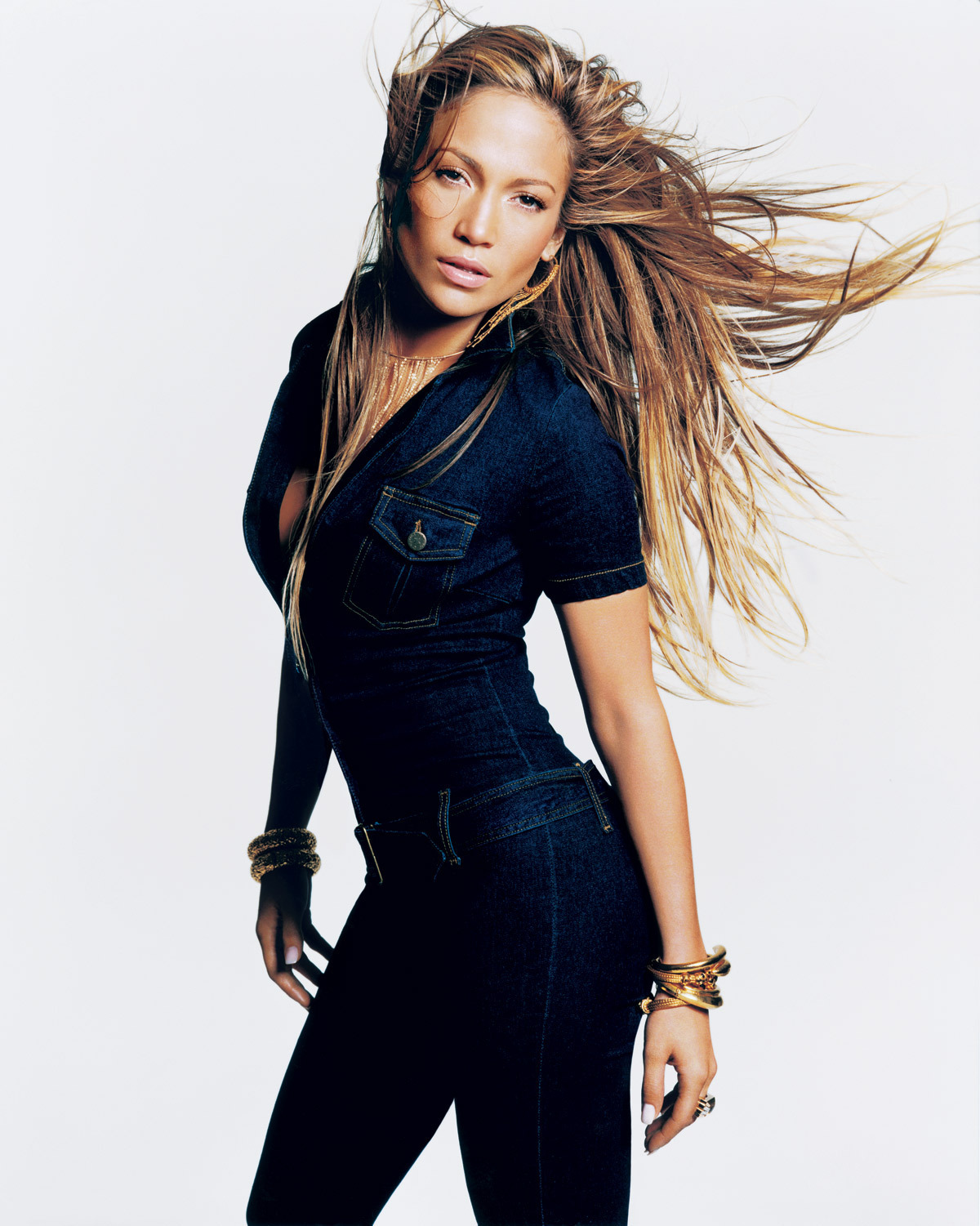
Jennifer Lopez didn't just wake up as J. Lo. Long before the private jets, the Ben Affleck headlines, and the "Jenny from the Block" anthem, there was just a girl from the Bronx named Jennifer. She was a middle child. She shared a bed with her sisters. Honestly, the version of young J Lo that existed in the late 1980s would probably surprise people who only know her as a polished global mogul.
She wasn't the "chosen one" of the music industry. In fact, she spent years sleeping on a cot in a dance studio because her mom kicked her out. Her parents thought her dreams were totally unrealistic. They wanted her to stay in college; she wanted to be the next Rita Moreno.
The Bronx, Baruch College, and a Cot
Growing up on Blackrock Avenue, Jennifer’s life was defined by strict Catholic rules and a whole lot of hustle. Her mom, Lupe, was a force of nature—the life of the party but also a tough-as-nails disciplinarian. Jennifer was a track star. She did gymnastics. She was basically a tomboy who happened to love musical theater.
After one semester at Baruch College, she quit. She just couldn't do it. She told her parents she was going to be a professional dancer, and that went over about as well as you’d expect. Her mom told her to move out. So, at 18, she was homeless, technically. She slept at the Phil Black Dance Studio in Manhattan because she had nowhere else to go.
It’s easy to look back and see a superstar in the making, but at the time? She was just another girl in a leotard trying to get a spot in the back of a music video. She toured Japan. She toured Europe for five months with a show called Golden Musicals of Broadway and was devastated because she didn't get a single solo.
That rejection fueled her. It's kinda the "origin story" of her work ethic.
Breaking Out as a Fly Girl
In 1991, everything shifted. But it wasn't a movie role. It was a sketch comedy show. In Living Color was the coolest thing on TV, and Jennifer beat out 2,000 other dancers to become a "Fly Girl."
She worked under choreographer Rosie Perez. It wasn't always smooth sailing, though. Rumors of tension on set were common, and Jennifer was clearly hungry for more than just 30-second dance breaks between Wayans brothers' sketches. She stayed for two seasons before taking a massive risk: she quit to become a backup dancer for Janet Jackson.
Most people would kill to stay on Janet's team. Jennifer did the "That’s the Way Love Goes" video and then realized she didn't want to be in the background anymore. She turned down the world tour. She decided to act.
The Gritty 90s Film Run
Before the rom-coms, young J Lo was actually a respected indie actress. You’ve probably forgotten her in Mi Familia (1995), but critics didn't. She was nominated for an Independent Spirit Award. She worked with Francis Ford Coppola in Jack alongside Robin Williams.
She was building a real resume. Then came the role that changed everything.
The Selena Transformation
When Gregory Nava cast her as Selena Quintanilla-Pérez in 1996, the backlash was loud. People in Texas were furious that a Puerto Rican girl from New York was playing a Mexican-American icon from Corpus Christi. They protested. They signed petitions.
Jennifer didn't talk back; she just worked. She moved in with Selena’s sister, Suzette. She watched thousands of hours of home movies. She learned how to mimic that specific, joyful laugh.
When the movie dropped in 1997, it didn't just make her a star—it made her a millionaire. She was the first Latina actress to ever hit that $1 million paycheck.
- She did her own dancing in the film.
- The singing, however, was mostly Selena’s real voice.
- The performance earned her a Golden Globe nomination.
That movie is why the music career even exists. Standing on stage in that purple jumpsuit, performing for a crowd of thousands of extras, Jennifer realized she wanted to feel that energy for real.
On the 6: The Subway to Superstardom
By 1998, Jennifer was a movie star, but she wanted to be a pop star. The industry laughed. "Actors can't sing," was the standard line. But she had a plan. She teamed up with Tommy Mottola at Sony and started working on On the 6.
The title was a literal shout-out to the 6 train she used to take from the Bronx into the city for auditions. It was her way of saying she hadn't changed, even though she was now dating Sean "Puffy" Combs and wearing diamonds.
When "If You Had My Love" released in 1999, it went straight to number one. She shut everyone up.
Why the "Young J Lo" Era Still Matters
We see the "J. Lo" brand now—the skincare, the perfumes, the Las Vegas residencies. But the foundation was built on a very specific kind of 90s grit. She was navigating a Hollywood that didn't have a "Latina superstar" blueprint yet.
She had to deal with people obsessing over her body in a way that would be considered incredibly toxic today. She was "too curvy" for some, "too urban" for others. She just kept moving.
What can we learn from her early years?
First, don't be afraid to quit a "good" job for a "great" dream. Turning down Janet Jackson's tour seemed insane at the time, but it's what allowed her to audition for the films that made her a household name.
Second, versatility is a survival skill. She didn't just dance; she acted. She didn't just act; she sang. By the year 2001, she became the first woman to have a #1 movie (The Wedding Planner) and a #1 album (J.Lo) in the same week.
If you're looking to channel that early Jennifer Lopez energy in your own life, start by embracing the "multi-hyphenate" mindset. Don't let one niche define you. If you've got a side hustle or a creative passion that people are telling you is "unrealistic," remember the girl sleeping on the floor of a dance studio in 1987.
Your next move: Take a look at your current career path. Are you staying in a "backup dancer" role because it's safe? Identify one area where you can take a "Selena-level" risk this month—whether it’s applying for a role you feel underqualified for or finally launching that project everyone said wouldn't work. Success usually starts with a 6 train ride and a lot of people telling you "no."