Honestly, it’s hard to imagine Hoda Kotb as anything other than the beaming, sunshiny heart of morning television. We see her now—completely settled into her skin, sipping wine with Kathie Lee or sharing a laugh with Jenna Bush Hager—and it’s easy to assume she just glided into that seat at Rockefeller Plaza.
She didn't. If you found value in this article, you might want to look at: this related article.
The story of young Hoda Kotb isn’t a highlight reel of instant success. It’s actually a pretty gritty masterclass in getting told "no" until your ears ring. If you had met her in 1986, you wouldn't have seen a star. You would have seen a kid in a borrowed car, lost in the Mississippi Delta, crying her eyes out to James Taylor.
Growing up "Jane Smith of the Nile"
Hoda was born in Norman, Oklahoma, in 1964. Her parents, Sami and Abdel Kader Kotb, were Egyptian immigrants who moved to the U.S. to study. While they eventually settled in Morgantown, West Virginia, and later Alexandria, Virginia, Hoda spent a year of her childhood in Nigeria and went on long summer trips to Egypt. For another angle on this event, see the latest coverage from BBC.
She’s often joked that her name is basically the "Jane Smith" of Cairo. But in 1970s West Virginia? Not so much.
She felt the "ouch" of being different early on. She’s talked about the physical angst of school roll call—waiting for the teacher to hit her name, pause, and assume there was a typo on the list. She was the dark-skinned girl with "bushy hair" (her words!) trying to navigate a world of Mark Kaufmans and Chris Kennedys.
Her parents were firm: they wanted their kids to be "red, white, and blue." They were assimilated, but the Egyptian roots were always there in the food and the family vacations. Still, some things were non-negotiable. Dating was mostly off-limits. She actually had to meet her prom date at a 7-11 because her parents weren't exactly thrilled about the dance.
The Virginia Tech Years and a Heartbreaking Loss
By the time she got to Virginia Tech, Hoda started finding her groove. She joined the Delta Delta Delta sorority and was even elected homecoming queen. She loved the school spirit—the energy of a big university.
But her junior year brought a crushing blow. Her father, Abdel Kader, died suddenly at just 51 years old.
He was a fossil energy specialist and a professor, a man who had shielded his children from the "ugly bits" of the world. Years later, Hoda’s brother found a letter their father had written to a dean asking for a raise, only to be told he was making "all he'd ever make." Her father never told them about the bias he faced. He just kept pushing.
That resilience became Hoda's blueprint. She graduated in 1986 with a degree in broadcast journalism, ready to conquer the world.
The world, however, was not ready for her.
27 Rejections in 10 Days: The Ultimate "No" Streak
This is the part of the young Hoda Kotb story that every aspiring professional needs to memorize. Most people quit after three or four rejections. Hoda didn't quit after twenty.
She borrowed her mom’s car and drove across the Southeast with a demo tape that she now describes as "horrible" and "terrible."
- Richmond, Virginia: The news director told her she wasn't ready.
- Roanoke, Virginia: Another "no." He told her she was "too green."
- Memphis, Tennessee: She drove all night only to be told she wasn't good enough for Memphis.
- Birmingham, Alabama: Rejected three separate times.
She was on the road for ten days. Twenty-seven news directors watched her tape and basically told her to find a new career. Imagine that. Ten days of driving, sleeping in the car or cheap motels, and being told "you're not ready" over and over until the words lost all meaning.
She was driving home, defeated, listening to sad music, and she got lost.
The Miracle in Greenville
She saw a sign. A literal sign.
It was in Greenville, Mississippi. It had the CBS "eye" on it and said: "Greenville, Our Eye is on You." Hoda figured she had nothing left to lose. She walked into WXVT and met Stan Sandroni, the news director.
Stan didn't just watch 30 seconds of her tape and eject it. He watched the whole thing. All 30 minutes of it.
When it finished, he looked at her and said, "Hilda?" (He got her name wrong, but who cares?) "I like what I see."
Hoda burst into tears. She was hired on the spot. That one "yes" after twenty-seven "no's" changed everything. It’s a reminder that you don't need the whole world to believe in you. You just need one Stan Sandroni.
From the Delta to Dateline
Her early career was a whirlwind of local markets. She put in the work that nobody sees:
- Greenville, MS: The first big break.
- Moline, IL: Reporting for WQAD from 1988 to 1989.
- Fort Myers, FL: Weekend anchor at WINK.
- New Orleans, LA: A six-year stint at WWL that she absolutely loved.
New Orleans was where she truly found her voice. She’s said the city taught her that "imperfect is perfectly comfortable." It prepared her for the jump to the big leagues. In 1998, a vice president at NBC called her. Suddenly, she was a correspondent for Dateline.
She felt like a "first grader among seniors" when she arrived at NBC. She had to learn the craft all over again at a network level. She covered the 2004 tsunami, the aftermath of Hurricane Katrina, and war zones in Iraq and Afghanistan.
The Turning Point: 2007
The "young" Hoda era transitioned into the powerhouse we know today during a year of intense personal trial. In 2007, she was diagnosed with breast cancer. She had a mastectomy and went through the ringer, but she decided to go public with it.
That transparency changed her relationship with the audience. She wasn't just a reporter anymore; she was a survivor.
Shortly after, she was tapped for the fourth hour of Today. People thought she was crazy to move from "serious" news to a talk show format. But Hoda had spent decades being told she wasn't right for the job. She knew how to trust her gut.
What Young Hoda Teaches Us Today
If there is one takeaway from the journey of young Hoda Kotb, it’s that rejection is usually just redirection. She wasn't "bad" in those 27 interviews; she just hadn't found the right room yet.
Think about your own "Greenville" moment. Are you stopping at rejection number five? Number ten?
Hoda’s career proves that "timing and luck" are real, but they only happen if you stay in the car. You have to keep driving through the rejections until you get lost enough to find the right sign.
Next Steps for You: If you're feeling stuck in your career, do a "Hoda Audit." Stop looking for universal approval. Instead, identify the one "Stan Sandroni" in your industry—the person or place that values your specific brand of "unready." Sometimes the "wrong turn" into a smaller market or a different role is exactly where your career is supposed to start.
Source References:
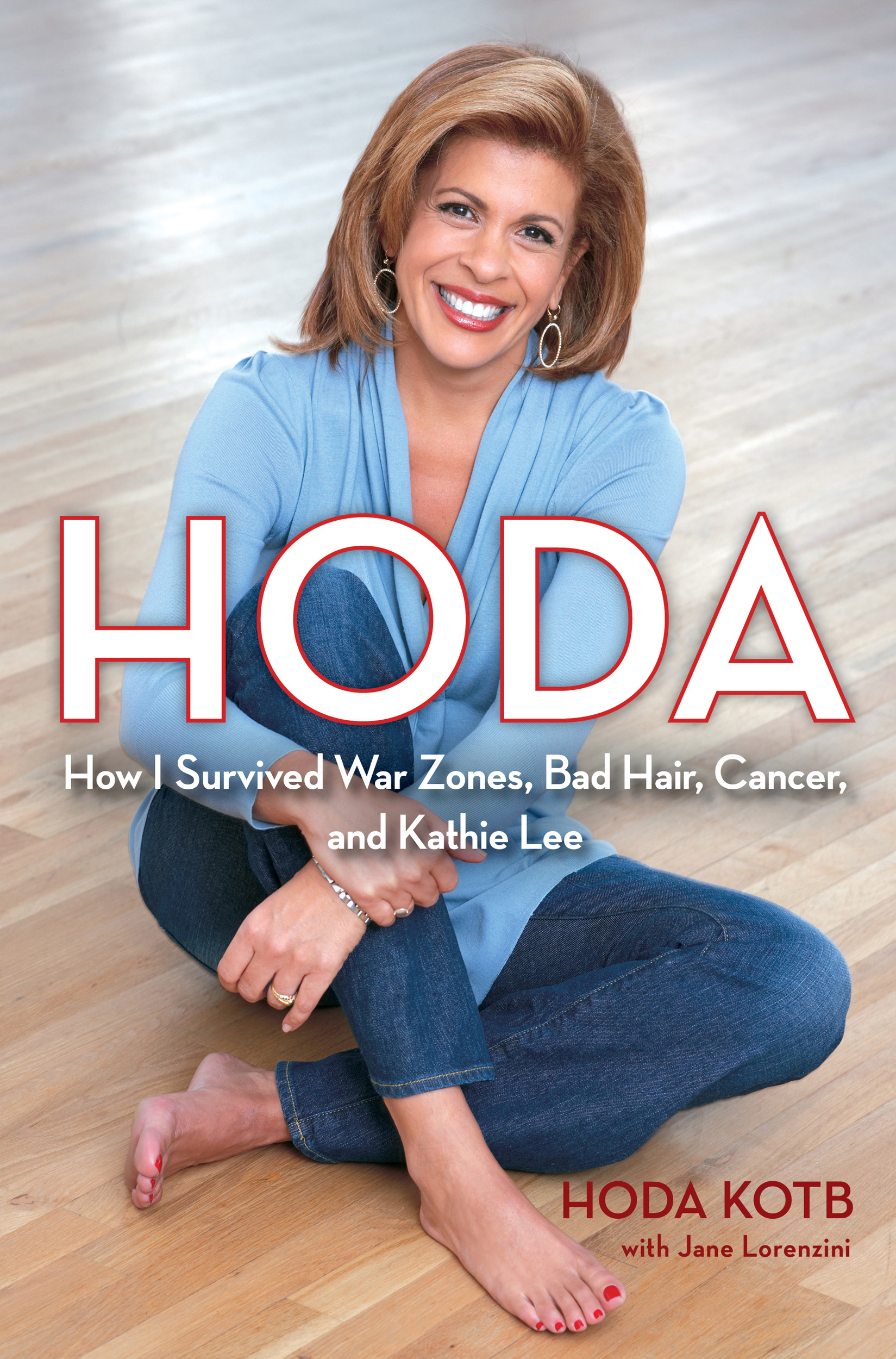
- Hoda: How I Survived War Zones, Bad Hair, Cancer, and Kathie Lee (2010 Memoir)
- Virginia Tech Alumni Records and Commencement Addresses (2008, 2023)
- NBC News / Today Show archives on early career rejections
- SiriusXM Leading Ladies interview series