Growing up as the son of a god is a special kind of hell. Imagine being eight years old, standing on a stage in front of thousands of weeping strangers, and being told you have to sound exactly like a dead man. That was the reality for young Hank Williams Jr. He wasn't just a kid; he was a living ghost.
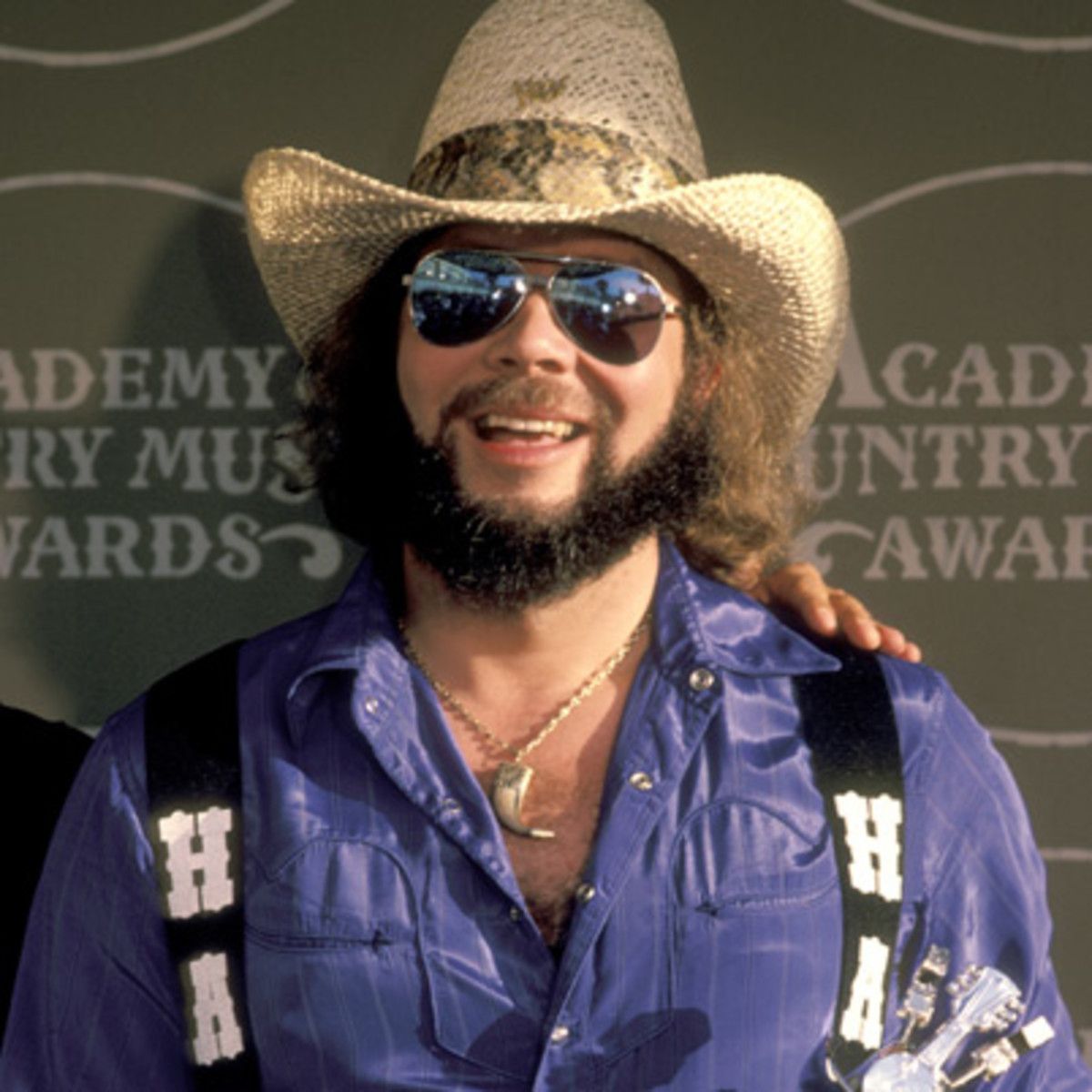
Most people see the beard, the dark glasses, and the "Rowdy" attitude and assume he was always that way. He wasn't. For the first fifteen years of his career, Randall Hank Williams was a suit-and-tie mimic. He was a ventriloquist's dummy for a Nashville establishment that wanted to keep cashing in on his father’s legend. Honestly, it’s a miracle he survived it at all.
The Puppet Years: Standing in the Shadows
His mother, Audrey Williams, was the driving force behind the "Hank Jr." machine. She didn't just want him to sing; she wanted him to be Hank Sr. By the time he was eleven, he was performing on the Grand Ole Opry. Think about that for a second. While other kids were playing baseball, he was singing "Your Cheatin' Heart" to rooms full of grown adults who were looking for a piece of his father in his eyes.
It was lucrative, sure. But it was also soul-crushing. He later famously said it was "fun for the little boy, but h— for the man." He was trapped in a loop. Every time he tried to play a little rock and roll or something with a bit of a bluesy edge, the industry pulled him back. They wanted the hat. They wanted the nasal twang. They wanted the tragedy.
By his late teens, the pressure started to crack him. He was drinking heavily. He was using pills. Basically, he was following his father’s footsteps in all the wrong ways. He even tried to record under the name Rockin' Randall just to feel a spark of something new, but Nashville wasn't having it. They wanted a museum piece, not a musician.
The Turning Point Nobody Expected
The shift didn't happen in a boardroom. It happened because he moved to Alabama and started hanging out with the "wrong" crowd—at least according to Nashville. We’re talking about guys like Waylon Jennings, Toy Caldwell, and Charlie Daniels. These weren't traditional country singers; they were outlaws and Southern rockers.
In 1975, he released an album called Hank Williams Jr. and Friends. It was a total departure. It had flute solos. It had heavy bass. It felt like Muscle Shoals, not the Opry. For the first time, young Hank Williams Jr. sounded like himself. But then, just as he was finding his feet, the world literally fell out from under him.
The Accident on Ajax Peak
On August 8, 1975, Hank was climbing Ajax Peak in Montana. The snow gave way. He fell 500 feet—nearly the height of the Washington Monument—onto solid rock. His face was essentially split open. His skull was fractured. His brain was exposed.
The doctors didn't think he’d live. They certainly didn't think he’d ever sing again.
He spent two years in agonizing recovery. He had to undergo 17 different surgeries to put his face back together. This is the part of the story most people get wrong: the beard and the sunglasses aren't just a "cool" outlaw look. They were a necessity. He grew the beard and wore the shades to hide the massive scarring and the reconstructive work on his eyes and jaw.
Why Young Hank Williams Jr. Still Matters
When he finally stepped back into the light, the "Junior" the world knew was gone. In his place was Bocephus. He stopped apologizing for not being his father. He leaned into the blues, the rock, and the loud, rowdy energy that defined the 1980s.
He took the trauma of that mountain and used it as a shield. He realized that if he could survive a 500-foot fall, he could certainly survive a few critics in Nashville telling him he wasn't "country enough." That's when we got the anthems. "Family Tradition" wasn't just a hit song; it was a declaration of independence. He was saying, "I love my daddy, but I'm doing things my way."
The transition from a child star mimic to an arena-filling icon is one of the greatest second acts in American music history. He proved that you don't have to be a carbon copy of your past to be successful.
Actionable Insights for Fans and Historians
If you want to truly understand this era of music, don't just listen to the greatest hits. Do these three things to get the full picture:
- Listen to 'Hank Williams Jr. and Friends' (1975): This is the bridge. You can hear him shedding the old skin in real-time. It’s the most important record of his career.
- Compare the early MGM recordings to the Elektra era: Notice the vocal placement. In the early days, he’s trying to hit his father’s notes. Later, his voice drops an octave into a gritty, soulful baritone.
- Read 'Living Proof': His autobiography (and the subsequent movie) gives a raw look at the mental health struggles he faced while being forced into his father's persona.
He didn't just inherit a legacy; he survived it. That's the real story of young Hank Williams Jr. It’s a story of a man who had to lose his face to finally find his voice.