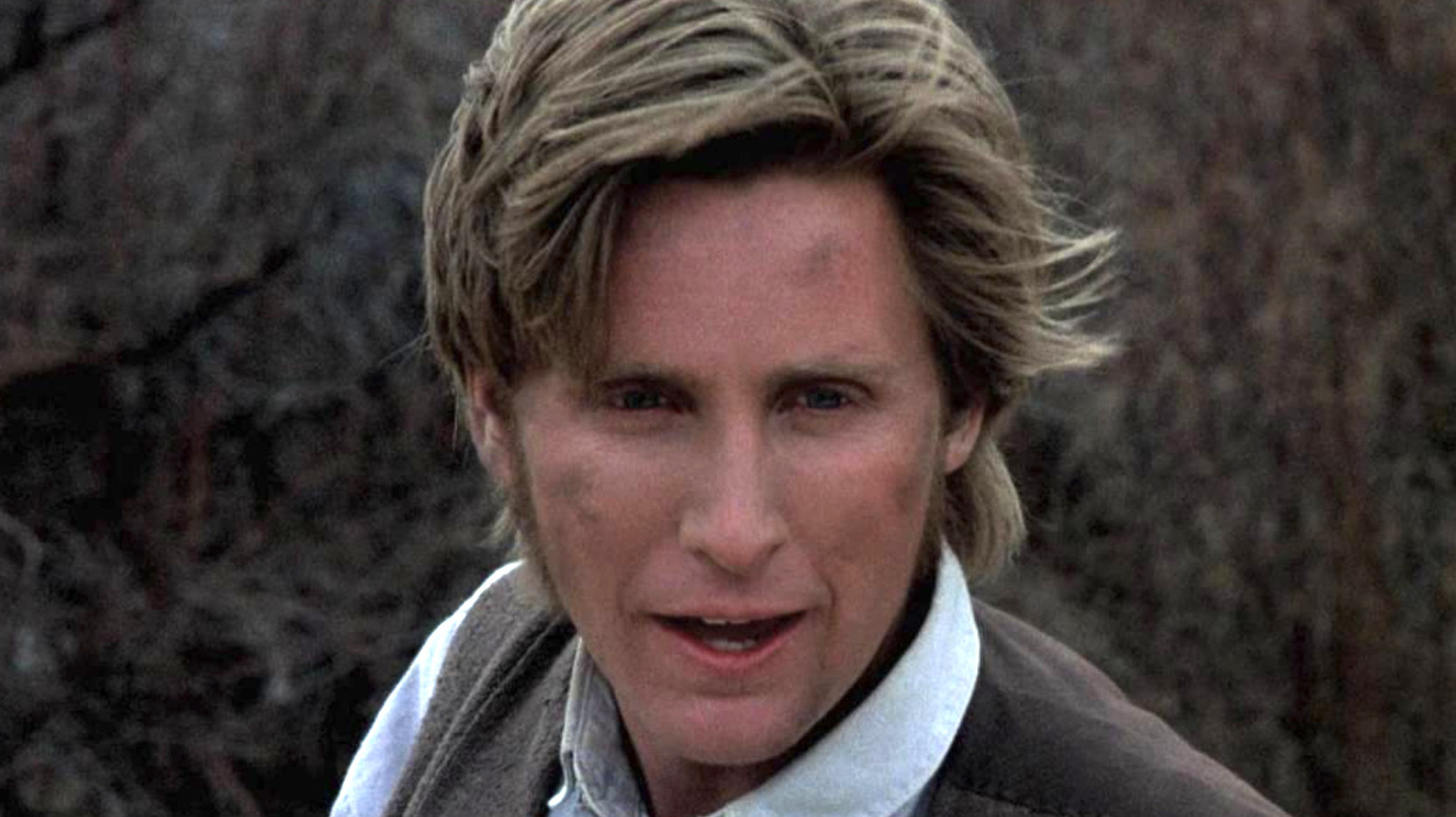
The dust never really settles on a legend. For decades, fans of the brat-pack-meets-desperado vibe of the late eighties have been holding their breath for a third installment. It’s finally happening. Young Guns 3: Alias Billy the Kid is the project that seemed like a pipe dream for thirty years, yet here we are, staring down the barrel of Emilio Estevez returning to the role that defined his career as a leading man.
People forget how massive these movies were. In 1988, westerns were supposed to be dead. Then Young Guns showed up with a soundtrack that ripped and a cast of heartthrobs that made the genre feel electric again. It wasn't your grandfather’s John Wayne flick. It was gritty, fast, and kind of chaotic. Now, the stakes are different. We aren't looking at "young" guns anymore. We are looking at legacies.
The Long Road to Alias Billy the Kid
Development hell is a real place, and this movie lived there for a long time. You've probably seen the rumors over the years. Every time Emilio Estevez or Lou Diamond Phillips did an interview, someone would inevitably ask: "So, is Billy coming back?" For a while, the answer was a polite shrug. But things shifted around 2021. Estevez himself started talking openly about a script. He wasn't just interested; he was driving the stagecoach.
The title itself, Young Guns 3: Alias Billy the Kid, is a direct nod to the historical ambiguity of William H. Bonney’s death. Did Pat Garrett actually kill him at Fort Sumner in 1881? Or did Billy slip away to live out his days as "Brushy Bill" Roberts in Hico, Texas? This isn't just a creative choice for a sequel; it’s a deep dive into one of the American West’s most persistent conspiracy theories.
History is messy. Most historians will tell you Billy died at 21. But the Young Guns franchise has always played with the "Brushy Bill" narrative—the ending of the second film literally frames the entire story as an old man recounting his youth to a lawyer in 1950. That’s the entry point. That’s how you make a third movie when your main character "died" in the first ten minutes of the history books.
Why Emilio Estevez is Doubling Down
Estevez isn't just acting here. He’s directing. That matters because he has a specific reverence for the material that a hired-gun director might lack. He knows that Billy isn't just a killer; he’s a symbol of rebellion. In the original films, Billy was a manic, laughing force of nature. Seeing Estevez inhabit that role as an older man—potentially playing both the young version in flashbacks and the grizzled survivor—adds a layer of "Unforgiven" style weight to the project.
It's a gamble. Honestly, westerns are hit or miss these days. You have the Yellowstone crowd which is massive, but translating that TV success to a nostalgic cinematic sequel is tricky. But Estevez seems to get that. He has been vocal about wanting to bring back as much of the original "Regulators" energy as possible.
Who Else is Riding Back?
The big question is Lou Diamond Phillips. His character, Jose Chavez y Chavez, was a fan favorite. If you remember the end of Young Guns II, Chavez wanders off into the sunset, riddled with wounds but technically alive. Phillips has teased his involvement multiple times. He’s basically said that if Emilio calls, he’s in the saddle.
The chemistry between those two was the soul of the first two films. Without it, you're just making a generic western. You need that camaraderie. You need the feeling that these guys would die for each other, even if they’re now old men with bad backs and long memories. There’s been talk of Christian Slater returning as "Arkansas" Dave Rudabaugh, though his character’s head ended up on a stake in the second movie, which makes a "resurrection" a bit harder to pull off without some serious creative gymnastics.
Breaking Down the Brushy Bill Roberts Connection
If Young Guns 3: Alias Billy the Kid leans heavily into the Brushy Bill Roberts story, it’s going to tap into a very specific slice of Americana. In 1950, an elderly man named Roberts petitioned the Governor of New Mexico for a pardon for crimes committed by Billy the Kid. He knew things only Billy would know. He had the scars. He had the gait.
The movie has a chance to bridge the gap between the myth and the man. By using the "Alias" subtitle, the film suggests a dual narrative. We might see the "lost years" of Billy the Kid. What does a man who is supposed to be dead do for seventy years? Does he find peace, or is he always looking over his shoulder?
It’s a fascinating way to handle a sequel. It’s not just "Billy goes on another raid." It’s "Billy deals with the fact that his legend has outgrown his life." That kind of meta-commentary is what makes modern sequels actually worth watching instead of just being a cheap cash grab.
The Technical Side: Bringing the 1880s to 2026
Filming a western today is a different beast than it was in 1988. Back then, you just threw some dirt on a backlot and started shooting. Now, there’s a demand for authenticity. The costumes, the firearms, the locations—everything is scrutinized by a base of fans who know their Winchesters from their Colts.
Reports suggest that production has looked at locations in New Mexico, which is fitting. The light there is unique. It’s harsh but beautiful. If you’re making a movie about the Kid, you have to film in the Lincoln County area. You need that red dust. You need those jagged horizons.
The cinematography will likely move away from the flashy, music-video style of the first film toward something more grounded. Think more The Revenant and less Top Gun on horses. This shift reflects the aging of the characters and the audience. We grew up. The movies should too.
What Most People Get Wrong About the Franchise
A lot of critics dismissed the Young Guns movies as "brat pack westerns." They thought it was just a way to put trendy actors in cowboy hats. But if you actually watch them, there’s a lot of historical accuracy tucked into the fiction.
- The Regulators were real.
- The Lincoln County War was a corporate-backed bloodbath.
- John Tunstall was indeed a father figure who was murdered to spark the conflict.
The third film has the opportunity to fix the misconceptions about Billy's later years. He wasn't just a mindless outlaw; he was a guy caught in a system that wanted him dead. By focusing on the "Alias" aspect, Estevez can explore the psychological toll of living a lie.
The Actionable Truth for Fans
If you're looking for the release date, you have to be patient. Production timelines for independent-leaning features like this can be fluid. However, the momentum is higher than it has ever been. The script is finished. The key cast is aligned. The funding is being secured through a mix of traditional studio backing and private investment.
Here is what you can do to stay ahead of the curve:
- Watch the "Brushy Bill" documentaries. To understand where Young Guns 3 is going, you need to understand the source material. Look up the 1950 pardon hearing in New Mexico. It provides the exact blueprint for the movie's plot.
- Revisit the 1990 sequel. Pay close attention to the opening and closing scenes with the old man (Brushy Bill). It sets the stage perfectly for the "Alias" storyline.
- Follow Emilio Estevez’s official channels. He doesn't post often, but when he does, it’s usually significant. He is the gatekeeper of this project.
The return of the Kid isn't just about nostalgia. It's about finishing a story that started over three decades ago. It's about the idea that no matter how fast you run, your past—and your alias—eventually catches up to you.
Next Steps for the Western Enthusiast
To get the most out of the upcoming release, your best move is to dive into the actual history of the Lincoln County War. Read "The Authentic Life of Billy, the Kid" by Pat Garrett (with the understanding that it's partly propaganda) to see how the myth was built. Contrast that with modern historical accounts that paint Billy as a victim of a corrupt political machine. Understanding the real-world politics of 1880s New Mexico will make the narrative layers of Young Guns 3: Alias Billy the Kid much more rewarding when the film finally hits the big screen. Keep an eye on casting calls in New Mexico, as the production frequently looks for local extras to fill out the period-accurate crowds.



