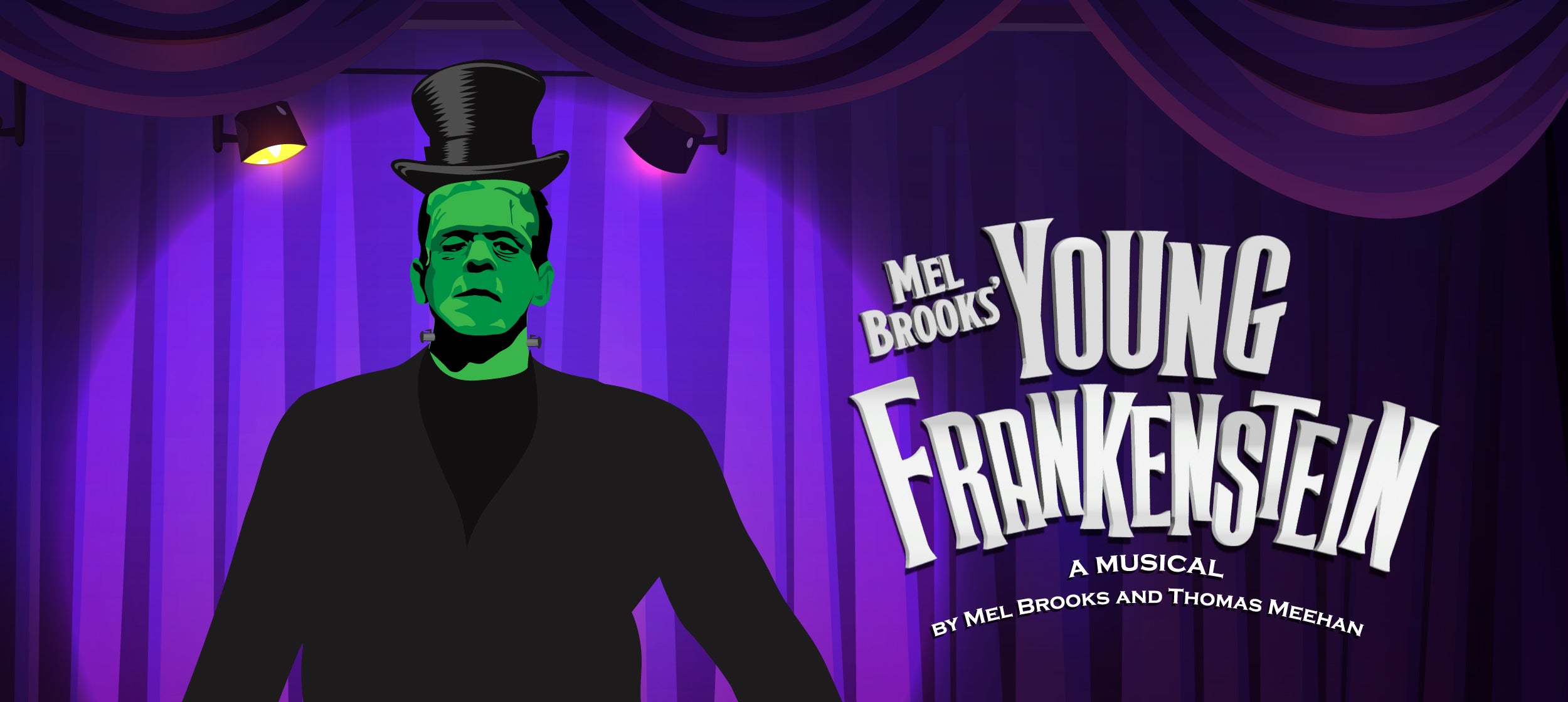
You know the feeling. You’re watching a movie and you realize every single person involved was having the time of their lives. That’s Young Frankenstein. Honestly, it’s a miracle it even exists in the form we know.
Mel Brooks often says it’s his best film. Not necessarily his funniest—that’s a debate for the Blazing Saddles crowd—but his best. It’s a love letter. A weird, black-and-white, lightning-charged love letter to the Universal horror films of the 1930s. Most people think it’s just a spoof. They’re wrong. It’s a sequel that happens to be hilarious.
The Secret Ingredient Was Garbage
When Mel Brooks and Gene Wilder were prepping the lab scenes, they didn’t want "fake" props. They wanted the real deal. Most people don’t realize that the bubbling beakers and humming electrodes aren't just high-end 1970s replicas.
They are the original 1931 props.
Basically, the production tracked down Kenneth Strickfaden, the man who built the electrical equipment for the original Boris Karloff Frankenstein. The guy literally had the stuff rotting away in his garage in Santa Monica. He hadn't touched it in decades. Brooks rented the whole lot, and suddenly, the set of a 1974 comedy had the exact same "life-giving" machinery used forty years prior. You can feel that history in the frames. It’s heavy. It’s dusty. It’s authentic.
Why Black and White Was a Hill to Die On
Columbia Pictures almost killed the movie before it started. Their reason? They refused to shoot in black and white. In 1974, that was seen as box-office suicide. They told Mel, "We’ll do it, but only if you shoot on color stock so we can release it in color in South America."
Mel said no.
He knew they’d just flip a switch and ruin the aesthetic. He walked away from the deal and took the project to 20th Century Fox. He insisted on using "thick" black-and-white film to get that specific, silver-screen glow. Without that stubbornness, the movie would’ve looked like a cheap sitcom. Instead, it looks like a masterpiece.
Gene Wilder’s "Ritz" Ultimatum
The most famous scene in the movie almost didn't happen. You’ve seen it: the Monster in a tuxedo, screaming the lyrics to "Puttin' on the Ritz" while Frederick taps along.
Mel Brooks hated the idea.
He thought it was too silly. He thought it would "break" the reality of the film. Gene Wilder—who co-wrote the script—fought for it for days. He told Mel it showed how much the Monster had evolved. Eventually, they reached a deal: they would film it, and if the test audience didn't laugh, it would be cut.
The audience didn't just laugh. They went nuts. Mel admitted he was wrong, and the scene became the emotional (and comedic) center of the entire story.
The Moving Hump
Marty Feldman, who played Igor, was a force of nature. His iconic hump? It wasn't supposed to move. Feldman started shifting it from the left side of his back to the right side between takes just to mess with the cast. He wanted to see if anyone would notice.
For several days, nobody said a word.
When Gene Wilder finally realized the hump was migrating, he started laughing so hard they had to stop filming. They decided to keep it as a running gag. It’s those small, improvised moments that give the movie its "human" quality. You can’t script that kind of chemistry.
What Most People Miss About the Cast
- Gene Hackman’s Cameo: Most people don't even recognize the Blind Man as Gene Hackman. He was a huge star at the time and did the role for free because he wanted to try comedy. He actually improvised the "I was gonna make espresso!" line.
- Teri Garr’s Accent: She based Inga’s thick German accent on Cher’s real-life wig maker.
- Cloris Leachman’s Inspiration: Frau Blücher (cue the horse whinny) was played with such terrifying precision that people forget Cloris was a high-fashion beauty in real life. She leaned into the "severe" look so hard it became legendary.
The Aerosmith Connection
Here is a bit of trivia that usually wins pub quizzes. The phrase "Walk this way" was a gag suggested by Mel Brooks. Marty Feldman’s Igor tells Dr. Frankenstein to "walk this way," and Gene Wilder starts hobbling behind him.
Fast forward a few months. Steven Tyler and the boys of Aerosmith were taking a break from recording at a studio. They went to see Young Frankenstein at a local theater. They were so tickled by the "Walk this way" line that they went back to the studio and wrote the hit song. One of the greatest rock anthems of all time exists because of a hunchback joke.
Why It Still Matters in 2026
In an era of CGI and perfectly polished digital comedies, Young Frankenstein feels tactile. It feels like it was made by hand. It’s a reminder that parody works best when you actually respect the thing you’re making fun of. Brooks and Wilder loved those old monster movies. They didn't want to tear them down; they wanted to join them.
Actionable Insight for Fans: If you want to truly appreciate the craftsmanship, do a double feature. Watch the original 1931 Frankenstein followed immediately by Mel Brooks’ version. You’ll notice the scene transitions—the "iris outs" and the "wipes"—are identical. It’s the closest thing to a masterclass in film history you can get while laughing your head off.
Next time you watch it, pay attention to the candles. They aren't real. To get enough light for the black-and-white film, the crew built "trick" candles out of aluminum pipes with 100-watt bulbs inside. The actors had wires running down their sleeves to power them. Every frame of this movie was a technical battle.
Practical Steps for Your Next Rewatch:
- Look at the Laboratory: See if you can spot the "Megavolt Senior" Tesla coil—it's the same one Boris Karloff stood next to.
- Listen to the Wolf: The howling you hear when they first arrive at the castle? That’s actually Mel Brooks doing the sound effect himself.
- Check the Credits: Notice how they use the 1930s-style typography. It’s a small detail, but it’s why the movie feels so immersive.
The legacy of this film isn't just the quotes. It’s the proof that you can be silly and sophisticated at the same time. It’s alive, and it’s not going anywhere.



