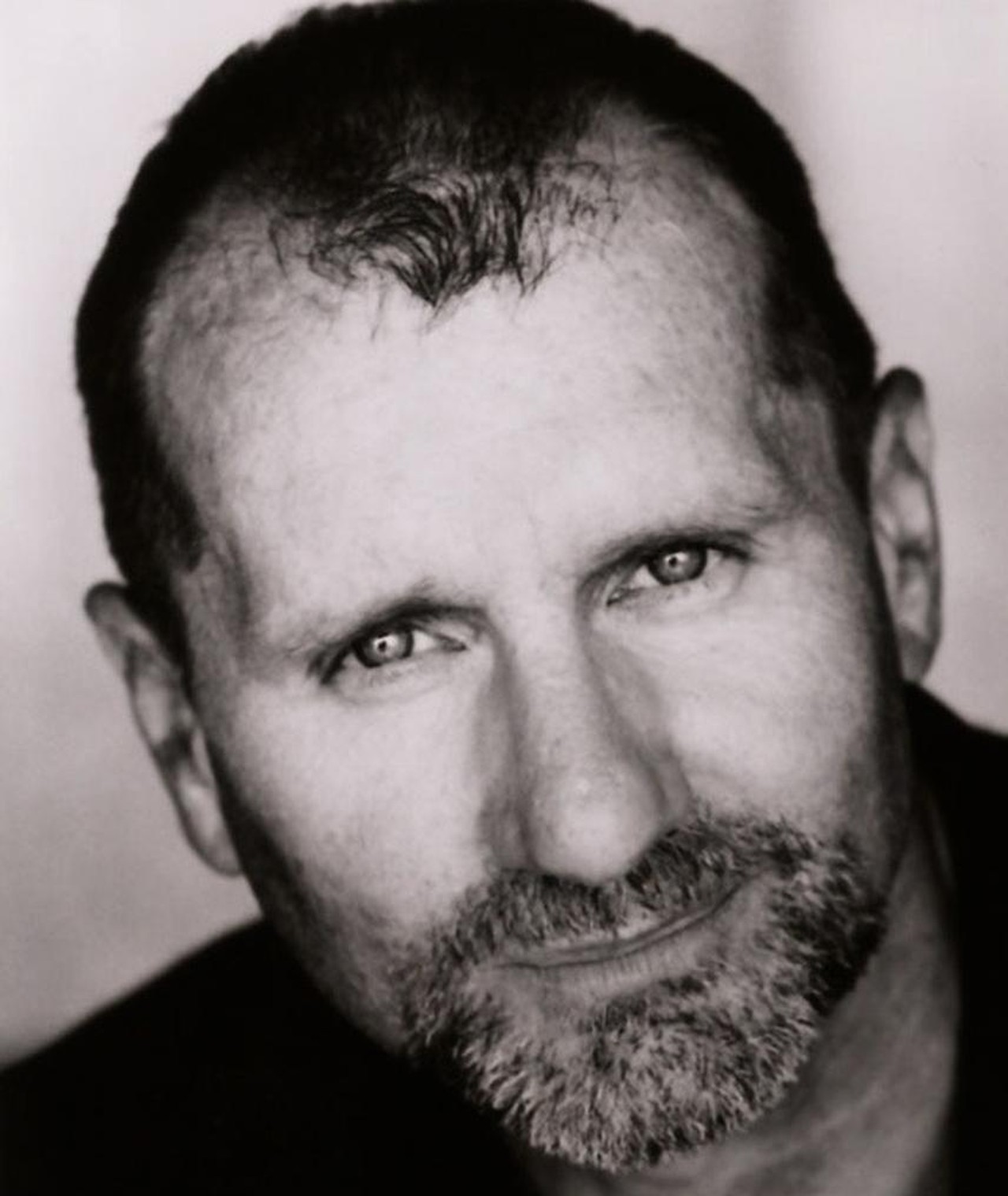
Most people see the face of Al Bundy or Jay Pritchett and think of a guy who just fits right into a living room recliner. It’s a comfortable look. But if you happened to be in a Pittsburgh bar on July 20, 1969, you would’ve seen a very different version of the man.
Young Ed O’Neill wasn't a TV star yet. He was a 23-year-old defensive lineman from Youngstown State who had just been fired.
He was sitting there, nursing a beer, watching a grainy television set high on the wall. History was happening. Neil Armstrong was taking his first steps on the lunar surface. While the rest of the world cheered for the "giant leap for mankind," O'Neill was staring at a sports ticker that scrolled past the moon footage.
It read: Linebacker Ed O’Neill released today from the Steelers.
He literally watched his dream die while watching a man walk on the moon. Talk about a bad day for perspective. People in the bar actually recognized him from the ticker and started buying him drinks. He ended up getting pulled over by a cop at 3:00 a.m., who—in a move that could only happen in 1960s Pennsylvania—let him go because he felt bad for the kid who just got cut from the Steelers.
The Football Star from Youngstown
O’Neill wasn't some hobbyist athlete. He was a beast. Growing up in the North Side of Youngstown, Ohio, he was a standout at Ursuline High School. He was a tough kid in a tough town. He eventually landed a scholarship to Ohio University, but his heart wasn't in the academics. He just wanted to hit people.
He eventually transferred back home to Youngstown State University. There, he was a dominant defensive lineman.
When the 1969 NFL training camp rolled around, the Pittsburgh Steelers—under a brand-new coach named Chuck Noll—brought him in as an undrafted free agent. Noll was trying to build something new, something that would eventually become the "Steel Curtain."
Young Ed O'Neill was right there in the mix with legends like "Mean" Joe Greene and L.C. Greenwood. In fact, O'Neill once admitted he thought L.C. Greenwood was going to get cut. Greenwood was 6'7" and skinny as a rail back then; O'Neill thought he looked more like a basketball player on roller skates than a football player.
History obviously had other plans. Greenwood stayed. O'Neill went home.
From Social Studies to the Stage
So, what do you do when the NFL tells you "no"?
Honestly, he didn't immediately run to Hollywood. He went back to Youngstown. He worked as a substitute social studies teacher at his old high school. He worked construction. He was basically living the life of a guy who could have been a hero, which is probably why he played Al Bundy with such painful accuracy years later.
But he had this itch. While at Youngstown State, he had dabbled in the theater department, mostly because it was a way to meet girls and it seemed easier than some of his other classes. After the Steelers cut him, he started taking it seriously.
He didn't just want to be an actor; he wanted to be a good one.
He spent the 1970s grinding in regional theater. We're talking gritty, low-budget plays. He moved to New York in 1977 with barely a cent to his name. He was 31 years old. In the world of acting, that’s practically ancient to be starting out.
The Breakthrough Nobody Saw Coming
His big break wasn't a sitcom. It was a play called Knockout on Broadway in 1979. He was actually the understudy for the lead role of a boxer. When the lead actor left the show, O'Neill stepped in.
He was electric.
A casting director for a new, "edgy" pilot on a fledgling network called Fox saw him in a production of Of Mice and Men. He was playing Lenny—the big, tragic powerhouse. The director saw something in O'Neill's physicality, a sort of weary strength.
When he went in to audition for the role of a disgruntled shoe salesman named Al Bundy, he didn't do a comedy routine. He didn't tell jokes. He walked to the door of the "set," slumped his shoulders, and let out a long, soul-crushing sigh before he even spoke a word.
The producers knew right then. That was their guy.
The Real Toughness of Ed O'Neill
There’s a misconception that O'Neill is just a lucky guy who played a grump. But the discipline he learned as a young athlete never left him.
In the early 90s, a friend introduced him to the Gracie family. If you know anything about combat sports, that name is royalty. O'Neill started training in Brazilian Jiu-Jitsu (BJJ) long before the UFC made it a household name.
He wasn't doing it for a movie role. He was doing it because he's a competitor.
It took him 16 years of training—mostly while he was filming Married... with Children and various films—to earn his black belt under Rorion Gracie. He has often said that receiving his BJJ black belt was a bigger achievement to him than his acting awards.
What We Can Learn From the Young Ed O'Neill Era
If you're looking for a takeaway from his early years, it's that "failure" is usually just a pivot point you haven't recognized yet.
- Diversify your identity: If O'Neill had only ever been "the football guy," he would have been miserable for forty years. He allowed himself to be a teacher and a theater geek too.
- The "Sigh" is often the story: His audition for Al Bundy worked because it was based on the real exhaustion of a man who had worked blue-collar jobs in Ohio. Use your real-life boredom and frustration as fuel.
- Late starts are fine: He didn't get his iconic role until he was 40. He didn't get his BJJ black belt until he was in his 60s. The timeline is fake.
If you want to see the DNA of his acting, go back and watch his very first film role in Cruising (1980) alongside Al Pacino. He plays a detective, and you can see that Youngstown steel in his eyes. He wasn't some polished Hollywood kid; he was a man who knew what it felt like to be cut from the team and keep moving anyway.
Next time you're facing a rejection, just remember the guy sitting in a Pittsburgh bar in 1969. He thought his life was over because he wasn't a Steeler. Turns out, he was just clearing space for everything else.
Actionable Insights for Your Own Career Pivot:
- Audit your "failed" skills: O'Neill used his football physicality to land roles as cops and tough guys. What "useless" skill do you have that could be a professional edge?
- Embrace the "Understudy" Mentality: He got his Broadway break by being ready when the lead walked away. Always be the most prepared person in the room, even if you're not the star yet.
- Find a physical outlet: Whether it's BJJ or just walking, O'Neill credits his longevity to staying physically challenged. It keeps the mind sharp for the creative work.