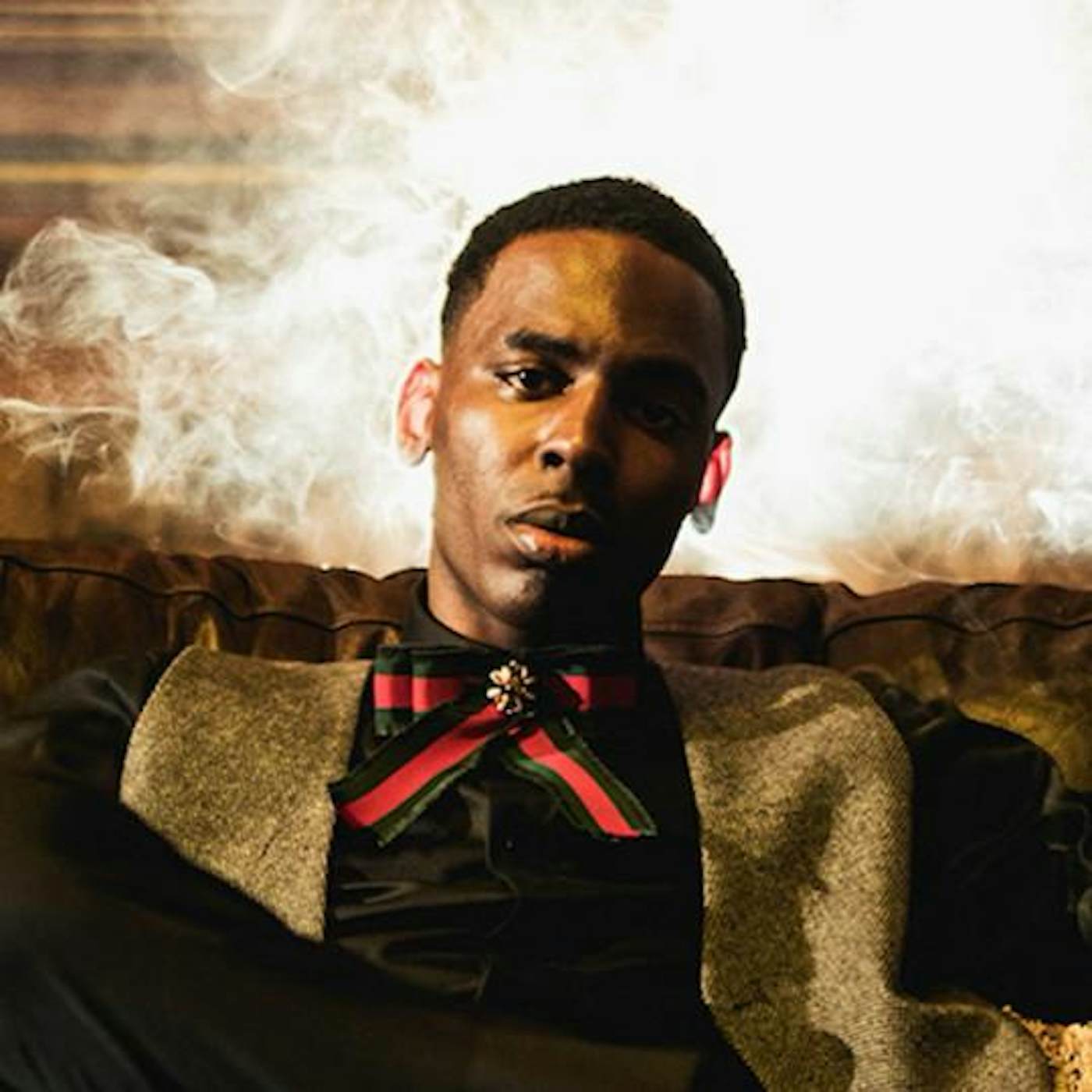
If you were in Memphis on a certain Wednesday in November 2021, the air didn't just feel cold. It felt heavy. Makeda’s Homemade Butter Cookies, a local staple on Airways Blvd, became the center of a tragedy that didn't just take a rapper—it ripped a hole in the city's soul. Young Dolph wasn't just another artist with a couple of platinum plaques and a fleet of camouflaged Lamborghinis. He was the guy who stayed.
Most people see the headlines and think they know the story. They see "rap beef" or "gang violence" and move on. Honestly? That’s lazy. To understand why Young Dolph still matters in 2026, you have to look past the tragic afternoon at the cookie shop and look at the $22 million he walked away from.
The $22 Million Gamble on Independence
The industry is designed to eat guys like Adolph Thornton Jr. usually, a kid from South Memphis gets a hit, a major label flashes a check with a lot of zeros, and that’s that. In 2018, Dolph reportedly turned down a $22 million deal. Imagine that.
He didn't do it because he was arrogant; he did it because he knew the math.
Basically, he realized that owning 100% of his masters through Paper Route Empire (PRE) was worth more than a massive advance that he’d have to pay back anyway. He was playing the long game. This wasn't just about music; it was a blueprint for business. He used to say that if you're a "hustler," you don't need a middleman to tell you how to sell your product. He treated his mixtapes like bricks of a house he was building himself, one room at a time.
He was the "Paper Route Frank" of the rap game.
You’ve probably heard people compare him to Nipsey Hussle. It’s a fair comparison. Both men realized that true power isn't in the fame—it's in the deed. Dolph was buying up real estate for his kids, Tre Tre and Aria, before he was buying jewelry. He wanted his children to own the block, not just walk it.
The Reality of the "King of Memphis" Title
The beef. We have to talk about it because it’s the thing everyone gets wrong or oversimplifies.
When Dolph dropped the King of Memphis album in 2016, it wasn't just a title. It was a declaration of war in a city that already had a hierarchy. For years, the tension between Dolph and Yo Gotti’s CMG camp was the elephant in the room. But here is the thing: Dolph’s "King" claim wasn't about being the biggest seller. It was about being the most authentic representative of the Castalia neighborhood.
People talk about the 100 shots fired at his SUV in Charlotte. They talk about him getting hit in Los Angeles outside a retail store. He survived both.
He even named an album Bulletproof after the Charlotte incident. Most people would have gone into hiding. Dolph? He leaned in. He made it part of the brand. Looking back, you can argue whether that was bravery or a dangerous level of pride, but you can’t deny it was consistent. He refused to be bullied out of his own lane.
The trial for his murder has been a long, messy road. In late 2024, Justin Johnson was convicted of first-degree murder. By August 2025, Hernandez Govan—the man prosecutors claimed was the mastermind—was acquitted. It’s a reminder that "justice" in these cases is rarely a clean, straight line. The court testimony painted a grim picture of a $100,000 "hit" allegedly put out by "Big Jook" (Anthony Mims), Gotti’s brother. Since Big Jook himself was killed in early 2024, many of the secrets behind that rivalry might have gone to the grave with him.
More Than Just a "Trap Rapper"
If you only listen to the surface of songs like "100 Shots" or "Major," you’re missing the point. Dolph’s music was actually remarkably consistent. He had this thick, Tennessee drawl that felt like he was talking directly to you from a front porch.
His verses were often about:
- Buying his grandmother a house.
- The trauma of having parents addicted to crack.
- Why you should never trust a record executive.
- The importance of eating healthy (seriously, he talked about his diet more than most rappers).
He wasn't trying to be a lyrical miracle worker. He was a storyteller of the mundane struggle. He made the "grind" sound aspirational without making it sound easy.
The Key Glock Connection
One of Dolph’s smartest moves was signing his cousin-in-law, Key Glock. Usually, when a big artist signs someone, they try to make the protégé sound just like them. Not Dolph. He let Glock be Glock. The Dum and Dummer tapes showed a chemistry that you just can't manufacture in a studio. They actually liked each other. They were family first. Today, Glock carries the PRE torch, and the fact that the label is still thriving in 2026 is the ultimate testament to the foundation Dolph laid.
Why the "Dolph Day of Service" Still Matters
Every November, Memphis turns into a sea of blue and camouflaged gear. The "Dolph Day of Service" isn't some PR stunt. It’s a continuation of what he was doing when he was alive.
The man was killed while he was in town to give out Thanksgiving turkeys. Let that sink in.
He wasn't at a club. He wasn't at a jewelry store. He was at a local bakery, supporting a Black-owned business, preparing to give back to the people who raised him. That’s why the city hasn't let his memory fade. You see the murals on every other corner in South Memphis for a reason.
His sister, Carlisa Brown, and his partner, Mia Jaye, have turned that grief into the IdaMae Family Foundation. They aren't just handing out food; they’re trying to address the cycle of violence that takes Black men before they can grow old. Mia Jaye’s "Black Men Deserve to Grow Old" campaign has become a massive movement in its own right.
Moving Forward: The Legacy of Ownership
If you want to honor the legacy of Young Dolph, you don't just play his music. You look at your own life and ask where you're giving away your power.
His life was a masterclass in staying true to a vision when everyone else is telling you to take the easy check. He proved that an independent artist from a "forgotten" city could build a global empire without changing his accent or his values.
Next Steps for the Inspired:
- Study the PRE Business Model: If you’re an artist or entrepreneur, look at how Dolph used distribution deals instead of traditional record contracts to maintain ownership.
- Support Local Staples: Dolph was killed at Makeda's. Support the small, family-owned businesses in your own neighborhood that actually care about the community.
- Invest in Assets, Not Liabilities: Take a page from Dolph’s book and prioritize real estate and legacy-building over temporary flash.
- Listen to the Deep Cuts: Go back and listen to Rich Slave or Role Model. Listen to the lyrics about his grandmother and his upbringing. That's where the real man lives.
Dolph didn't get to grow old, but the empire he built is designed to outlive us all. Long Live Dolph.
The story of Young Dolph is ultimately about the cost of staying real in a world that rewards the fake. His influence on the independent music scene and the city of Memphis remains a definitive chapter in hip-hop history. By prioritizing ownership and community over corporate approval, he didn't just become a star; he became a legend whose blueprint is still being followed by the next generation of hustlers.



