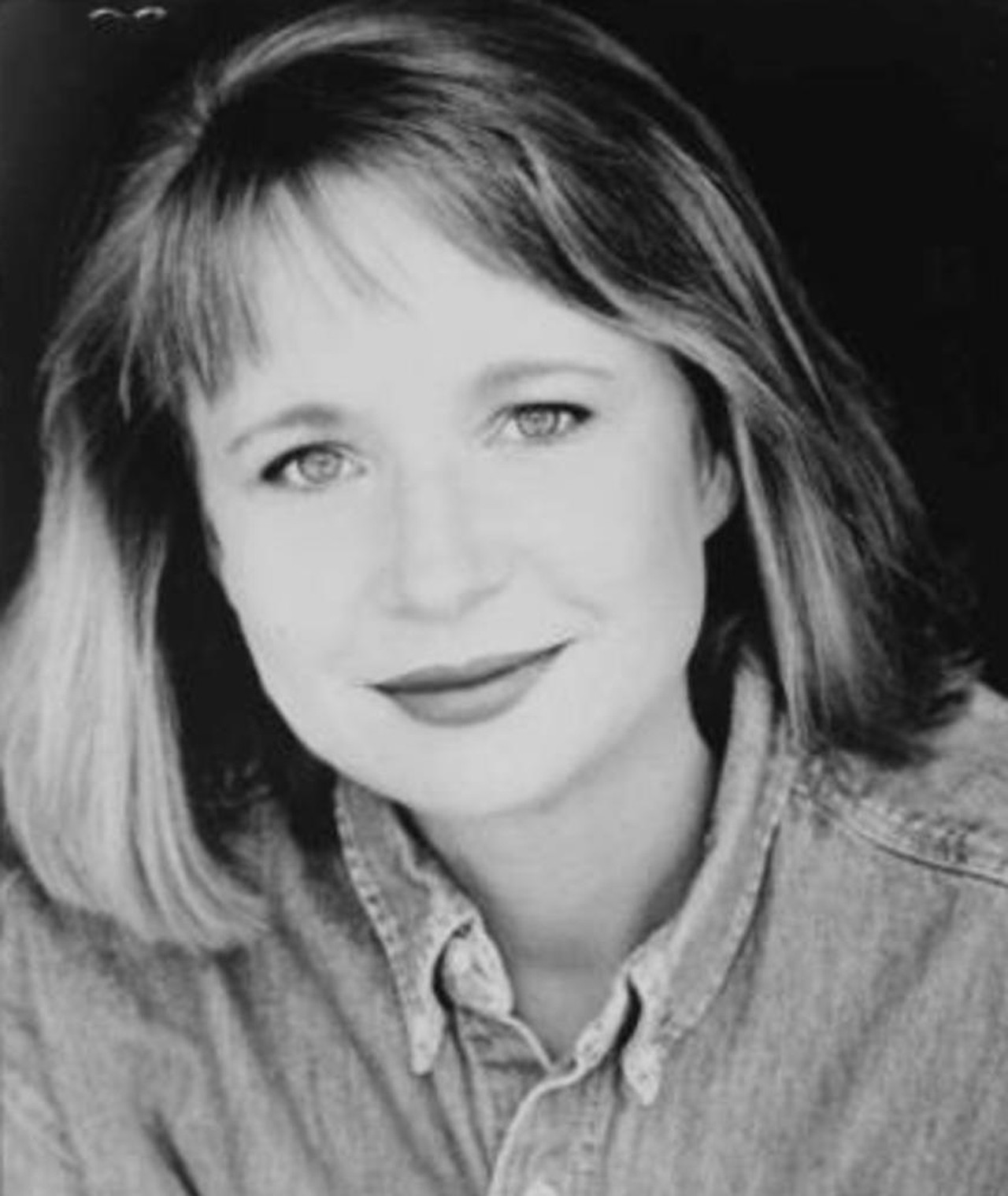
You probably know that laugh. It’s a high-pitched, frantic, kind of melodic trill that usually meant Eric Forman was in trouble or Red was being particularly "Red." For eight seasons on That ’70s Show, Debra Jo Rupp was the ultimate TV mom. But here is the thing: by the time she donned Kitty’s polyester nursing scrubs in 1998, she was already 47 years old. She wasn't some newcomer who walked off a bus and into a hit sitcom.
Honestly, the "young" Debra Jo Rupp—the one who spent the actual 1970s struggling in New York—lived a life that looked absolutely nothing like the suburban peace of Point Place. She wasn't baking Bundt cakes. She was stapling wallpaper samples to postcards in a factory just to keep the lights on.
The Massachusetts Roots and a Risky Move
Debra Jo wasn't born a New Yorker, though she has that fast-talking energy. She was born in Glendale, California, in 1951, but her family moved East pretty quickly. She grew up in Boxford, Massachusetts. It’s a quiet place. She went to Masconomet Regional High School, and back then, her parents weren't exactly thrilled about the whole "I want to be an actress" thing. It’s the classic story: they wanted security; she wanted the stage.
She ended up at the University of Rochester in New York, graduating in 1974. Most people think she started acting right after, but there was a gap. It wasn't until 1979 that she finally packed her bags for New York City. She was 28. In the acting world, 28 is sometimes treated like you're already middle-aged, which is ridiculous, but that was the pressure she was under.
Working as an Accountant? The Secret Pre-Fame Life
You’ve heard of "starving artists," but Rupp was more of a "calculating artist." Literally. To support herself, she worked as an accountant. She was great with numbers, which is a funny contrast to the scatterbrained characters she often plays.
Life in late-70s New York was gritty. She’s talked in interviews about having a kitchen so tiny she had to use plywood to extend her table if she wanted to have friends over for dinner. She was also a contestant on The $25,000 Pyramid in the late 70s. She lost. Her prize was a rug shampooer. The kicker? She didn't even own a rug. She just stood there staring at Dick Clark in a state of mild shock.
The "Topless Dancer" TV Debut
Here is a piece of trivia that usually floors people: Debra Jo Rupp’s first-ever TV role was playing a topless dancer.
It was 1980. The show was the legendary soap opera All My Children. She played a character named Sheila. Now, before you go searching for vintage clips, it was daytime TV, so it was all very "implied," but it's a far cry from the wholesome Kitty Forman. She once described the experience as "horrible" because she felt she sucked at it. She couldn't even pronounce the street names in the script correctly.
But it was a paycheck. And in 1980s New York, paychecks were king.
Breaking Through: From Big to Friends
The 1980s were actually her "stage decade." She was a theater beast. She gained massive critical acclaim for a play called A Girl’s Guide to Chaos in 1986. That was the turning point. Suddenly, casting directors realized she had this manic, neurotic energy that was pure gold.
Then came 1988. If you watch the Tom Hanks movie Big, look for Miss Patterson, the secretary. That’s her. Short hair, very 80s, very efficient. It was her first big movie role.
By the time the 90s rolled around, she was everywhere but nowhere. You’d see her and go, "Oh, it's that lady!"
- She was Jerry's inept agent, Katie, on Seinfeld.
- She was the "older woman" Alice Knight on Friends who married Phoebe’s brother, Frank Jr.
- She was in Death Becomes Her with Meryl Streep.
She was the ultimate "working actor." She wasn't a "star" yet, but she was never unemployed. That’s actually harder to achieve in Hollywood than being a one-hit wonder.
Why the "Young" Struggles Matter Now
When Netflix launched That ’90s Show, people were thrilled to see Kitty again. But the reason that character works—and the reason young Debra Jo Rupp eventually became a household name—is because of that decade of struggle.
She knows what it’s like to be "the language police." She famously fought with the writers of That ’70s Show to stop them from using 90s slang like "awesome" in a 70s setting. She lived the actual era. She remembers the bell-bottoms (which she hated because she’s petite and felt they made her look like she had no legs).
Actionable Insights for Aspiring Creatives
If you’re looking at Debra Jo Rupp’s career as a blueprint, there are a few real-world takeaways that aren't just fluff:
- The "Late Bloomer" Myth: Rupp didn't get her "big break" until she was nearly 50. If you’re 30 and feel like you’ve missed the boat, you’re looking at the wrong map.
- Financial Literacy is a Tool: She used her accounting skills to fund her dream. Don't be "too artistic" to have a day job that pays well. It buys you the time to audition.
- Find Your "Hook": Rupp leaned into her unique voice and laugh. She didn't try to be the "ingenue" or the "bombshell." She was the quirky, high-energy woman, and she owned that lane.
- Theater is the Gym: She spent years doing Off-Broadway work. By the time she got to a sitcom set, she could handle anything because she had the technical foundation of a stage actor.
Rupp’s journey proves that the "overnight success" is almost always a twenty-year grind in disguise. She went from losing a rug shampooer on a game show to being the heart of one of the most beloved sitcoms in history. That’s not luck; that’s just refusing to leave the room.



