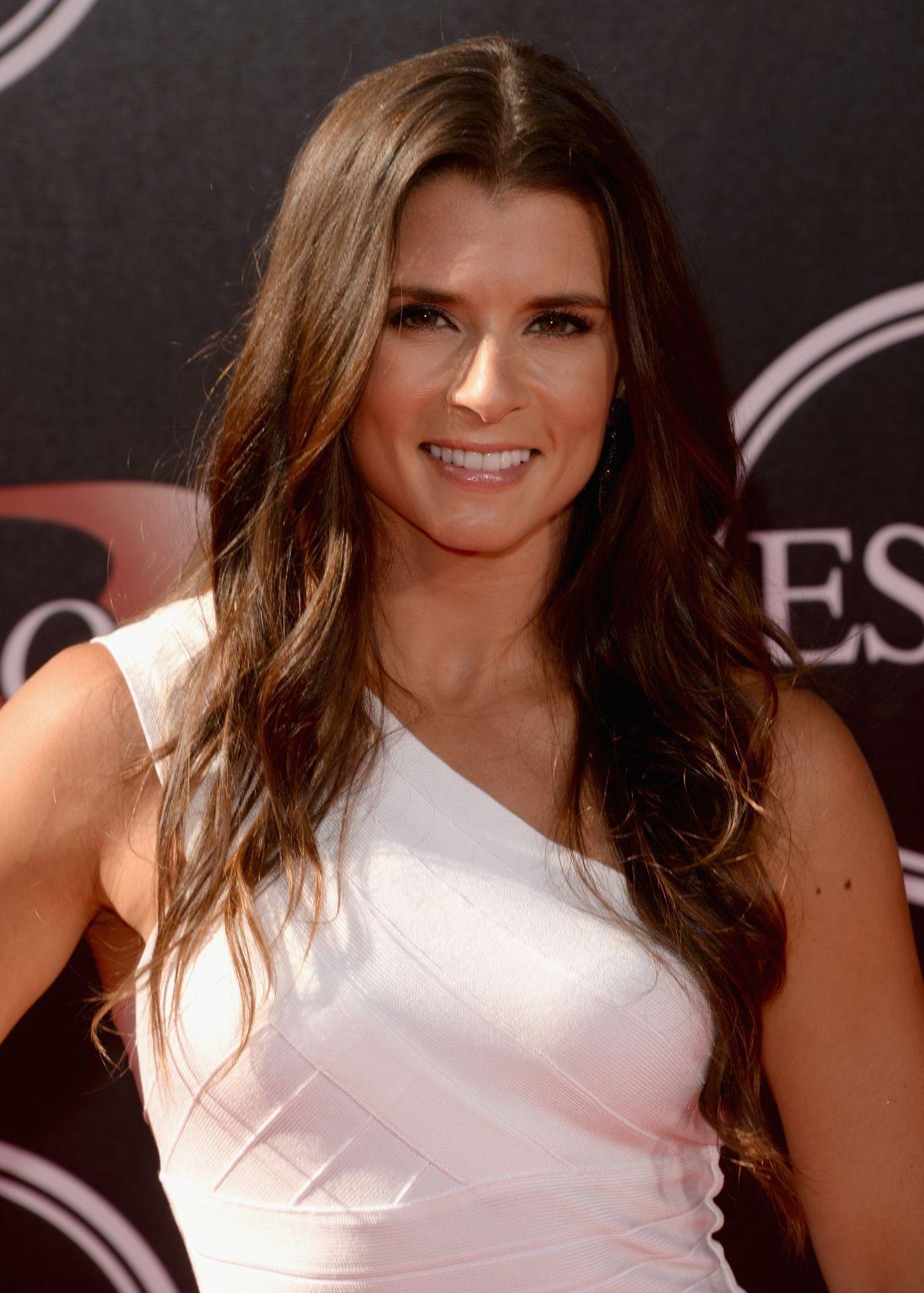
Before the Super Bowl commercials and the GoDaddy green, there was just a skinny ten-year-old in a kart who couldn't even keep up on the parade laps. Seriously. Danica Patrick didn’t just show up to the track and start winning. She struggled. Hard.
Her dad, T.J., actually had to push her to find the gas pedal. People see the fame now and assume it was some polished, predestined path to the Indy 500. It wasn't. It was gritty, occasionally lonely, and involved a teenage girl moving to England all by herself because the American racing scene just wasn’t cutthroat enough for what she wanted to do.
The Beloit Years and the Lawn Mower
Born in 1982 in Beloit, Wisconsin, Danica Sue Patrick grew up in a family that basically breathed gasoline. Her mom, Bev, was a snowmobile mechanic. Her dad raced midget cars and snowmobiles. You’ve probably heard the story about her starting karts at age ten, but the real "first drive" was a lawnmower. She’d click through the gears and go flat-out across the yard.
Once she got into karts, the "prodigy" tag didn't fit immediately. She was slow. She was timid. But then something clicked. By 14, she was a monster on the track, winning something like 36 out of 48 features in a single season. Most kids are worried about algebra; Danica was worried about tire pressure and apexes.
The England Gamble: "Rubber Hits the Road"
At 16, she made a move that sounds insane for a teenager today. She dropped out of high school midway through her junior year, grabbed her GED, and moved to Milton Keynes, England.
Why England? Because that’s where the best road racers in the world were forged. If you could survive Formula Ford in the UK, you could survive anything.
It was a culture shock. She was five-foot-one and barely 100 pounds, trying to muscle around an 1,800-pound car against guys who didn't want to be beaten by a girl—especially not an American girl. She’s been open about how lonely those years were. No friends, just racing and the gym.
- 2000 Formula Ford Festival: She finished second.
- This was a massive deal. It was the highest finish ever for an American in that race at the time.
- She beat out future pros and proved she wasn't just a "marketing project."
Honestly, those UK years were basically her college. She learned how to handle the media, how to handle the "princess" comments, and how to stay "on it" even when the weather was trash.
The Bobby Rahal Era
By 2002, the money was running dry in Europe. She headed back to the States and got the break of a lifetime: a development deal with Bobby Rahal.
Rahal was a legend, and he saw something in her that others missed. He didn't rush her. He put her in the Barber Dodge Pro Series and then Toyota Atlantics. In 2004, she finished third overall in the Atlantic championship. She didn’t win a race that year, which critics love to point out, but she was consistently on the podium.
2005: The "Danica Mania" Explosion
Everything changed in May 2005. Most people remember her leading the Indy 500, but the month started with her setting the fastest practice speed at 229.88 mph.
The media went nuts.
During the actual race, it was chaos. She stalled in the pits. She spun out on lap 155 and smashed her car's nose. Most rookies would’ve folded. Instead, her team fixed the Panoz-Honda, they gambled on fuel strategy, and suddenly she was leading the race.
She led 19 laps. The crowd was deafening.
She eventually had to lean back to save fuel, finishing fourth. It was the best finish for a woman at Indy until she beat her own record years later. That month, "Danica Mania" became a real thing. She was named Rookie of the Year, but more importantly, she proved she could go wheel-to-wheel with the best in the world on an oval.
The Ovals vs. Road Courses Debate
There’s a common misconception that Danica was only good because of her car or her weight. Bobby Rahal himself has said that while road courses were a struggle, she was a natural on the ovals. She was smart. She knew how to save fuel and where to place the car.
"She was a fighter. She walked into a great situation... and she dealt with the pressure better than almost anyone I've seen." — Bobby Rahal
Why Her Early Years Still Matter
Looking back, those early 2000s years defined her. She wasn't just a driver; she was a brand in the making. But the brand only worked because the talent was there first. You don't finish second at the Formula Ford Festival on "marketing."
If you’re looking to apply some of that "Early Danica" energy to your own life or career, here are a few takeaways:
- Go where the competition is: She didn't stay in the Midwest where she was comfortable; she went to England to get beat until she got better.
- Embrace the "Only": Being the only woman in the room (or on the track) is a spotlight. You can either shrink from it or use it as fuel.
- Consistency over Flash: Her 2004 Atlantic season showed that being in the top five every week is often more valuable for your career than winning once and crashing five times.
To really understand the impact she had, you should look into the data of female participation in karting before and after 2005. The "Danica Effect" didn't just sell t-shirts; it filled up local tracks with girls who realized they didn't have to stay in the stands.
If you want to dive deeper into the technical side of how she drove, you can look up her old telemetry data from the Rahal years or check out her podcast, Pretty Intense, where she often breaks down the mindset required to survive those early, lean years in Europe.


GR_SOL_TOP__FCO_X_200_ML.jpg)