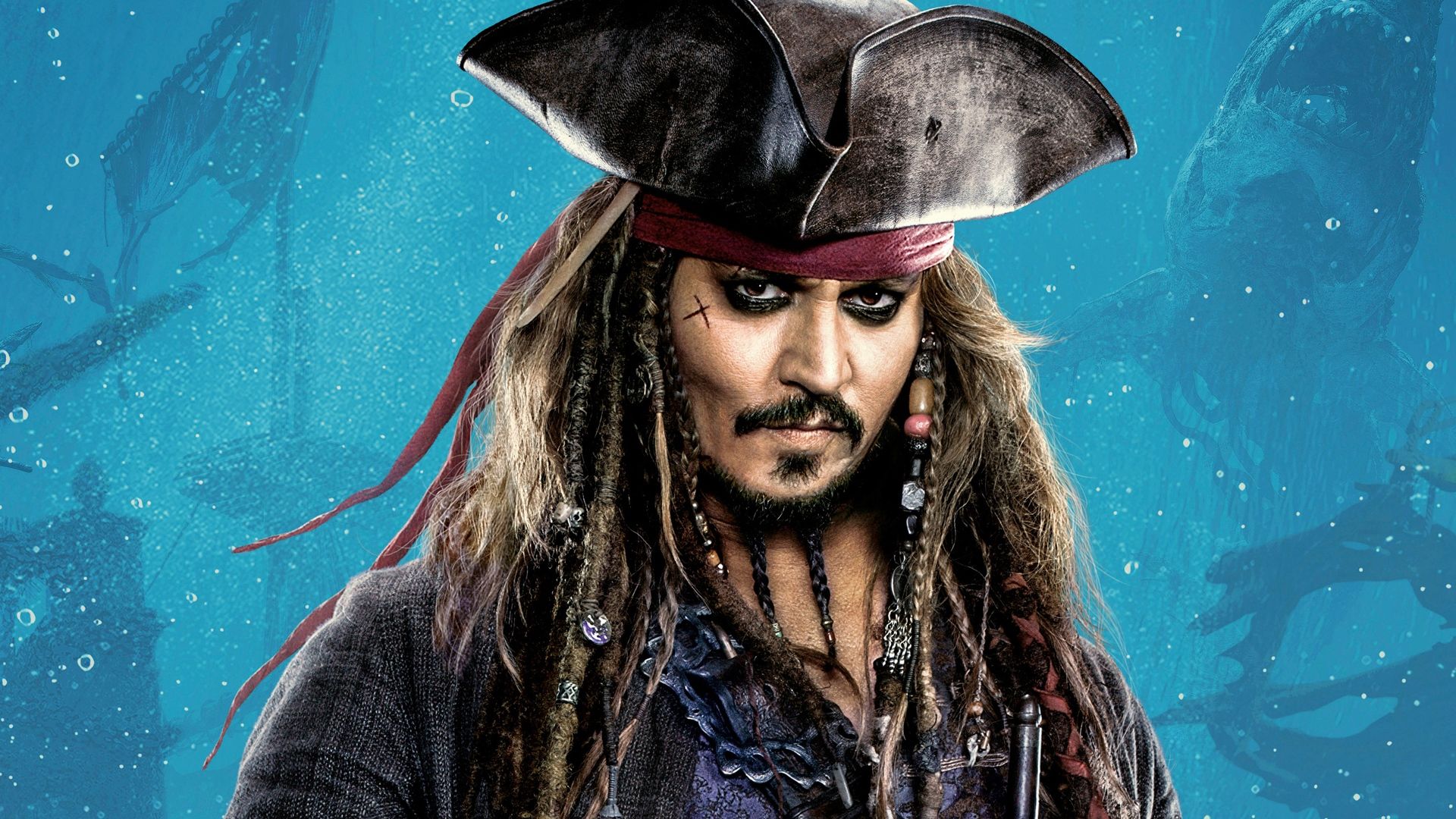
He wasn't always the rum-soaked, swaying disaster we met in Port Royal. Before the mascara and the heavy coat, there was just a kid trying to find a way to outrun the East India Trading Company. Most fans think they know the backstory because of those weirdly de-aged flashbacks in Dead Men Tell No Tales, but the truth about young Captain Jack Sparrow is actually buried in a massive pile of books, lore, and "Pirates" history that casual viewers usually skip over. It’s a bit messy.
He didn't just wake up one day and decide to be the most eccentric pirate on the Seven Seas. There was a specific trajectory.
The Barnaby Wig and the Teenage Years
Before the Black Pearl, Jack was basically a stowaway on his own life. Disney published a series called Jack Sparrow by Rob Kidd, which is technically the starting point for his timeline. He was sixteen. He didn't have a crew of hardened criminals; he had a ragtag group of kids on a ship called the Barnacle.
Think about that for a second.
The man who eventually faced off against Davy Jones started his career looking for the Sword of Cortés. It sounds like typical YA adventure stuff, but these stories established his reliance on wit over muscle. He wasn't a fighter. Jack has never been a "great" swordsman in the traditional sense. He's a dirty fighter. He’s the guy who kicks sand in your eyes while you're trying to have a formal duel. That trait was baked in from the very beginning.
Jack's father, Captain Edward Teague, is the shadow that looms over everything. If you remember Keith Richards’ cameo in the films, you get the vibe. Teague was the Keeper of the Pirate Code. Imagine growing up as the son of the guy who literally keeps the law for people who hate laws. It made Jack rebellious, but in a weirdly specific way. He knows the rules inside out just so he can find the loopholes.
Why the East India Trading Company Matters
The turning point for young Captain Jack Sparrow wasn't a monster or a ghost. It was a job. This is where the story gets actually interesting and a little bit tragic.
He actually worked for Cutler Beckett.
Yeah, the villain from Dead Man's Chest and At World's End. Jack was employed by the East India Trading Company (EITC) as a sailor and eventually a captain. This wasn't some minor gig. He was given command of a ship called the Wicked Wench. This is real lore from the book Price of Freedom by A.C. Crispin. It’s a 600-page deep dive that Disney basically considers the "true" history of Jack's transition into piracy.
Beckett gave Jack a specific order: transport a cargo of "goods" to the Bahamas.
Jack found out the cargo wasn't spices or silk. It was people.
He refused. He set them free.
Beckett, being the petty bureaucrat he is, didn't just fire Jack. He branded him with the "P" for pirate. He ordered the Wicked Wench to be set on fire and sunk. Jack tried to save his ship, nearly drowned, and that is the exact moment he made the deal with Davy Jones. He didn't want the Pearl because he wanted to be a scary pirate; he wanted the Wicked Wench back because she represented his freedom. Jones raised the ship from the depths, Jack renamed her the Black Pearl because of the charred hull, and the rest is history.
It’s kind of wild when you realize Jack’s "evil" pirate career started because he did something morally good.
The Problem with the De-Aging in the Movies
We have to talk about the continuity error. In Dead Men Tell No Tales, we see a CGI young Captain Jack Sparrow outsmarting Salazar. In that scene, he gets his compass from a dying captain on a different ship.
Wait.
In Dead Man's Chest, Tia Dalma says Jack "bought" the compass from her.
Fans have been arguing about this for years. Honestly, the most likely explanation is that Jack is an unreliable narrator, or Disney just forgot their own script. But if we try to make it make sense, Jack probably lost the compass and had to get it back from Tia Dalma later. Or, perhaps more likely, the movies just decided that a cool action sequence mattered more than a ten-year-old line of dialogue.
The "Jack" we see in that flashback is probably in his late teens or early twenties. He’s already got the swagger. He’s already got the hat. But he’s missing the weight of the world.
What Most People Get Wrong About His "Crazy" Personality
The twitching, the slurred speech, the "sea brain"—people think that’s just Jack. But if you look at the timeline of young Captain Jack Sparrow, he was much more "normal" (relatively speaking) when he was younger.
The weirdness is a survival tactic.
By the time we meet him in the first movie, he’s been marooned on an island, betrayed by Barbossa, and has spent years sailing with a crew of the undead. The "Young Jack" was clever and arrogant, but he wasn't yet the caricature of a pirate. He was a strategist. He was a man who believed he could outrun his debts.
If you're trying to track the actual development of the character, look at these specific milestones:
- The abandonment of his father's "Code" in favor of his own freedom.
- The betrayal of the EITC, which turned him into an outlaw.
- The 13-year deal with Davy Jones (the clock was ticking the whole time we knew him).
- The loss of the Black Pearl to Barbossa, which broke his brain a little bit.
How to Explore the Lore Yourself
If you’re actually interested in the stuff that happened before the movies, don't just rewatch the trailers. The movies give you the highlights, but the books give you the soul.
- Read The Price of Freedom by A.C. Crispin. It is the gold standard for Jack's backstory. It explains the Beckett rivalry in a way that makes At World's End much more impactful.
- Check out the Jack Sparrow series by Rob Kidd. They are technically for younger readers, but they cover his early adventures with the Barnacle and his first encounters with supernatural artifacts.
- Look for the Legends of the Brethren Court series. This covers the time between his youth and the first movie, specifically how he became one of the Pirate Lords.
The story of young Captain Jack Sparrow isn't just a prequel for the sake of a prequel. It’s a story about a guy who tried to be a "good" employee and realized the "good" people were actually the monsters. He chose the hat, the rum, and the horizon because, in his world, the only way to stay honest was to become a thief.
Stop viewing him as a bumbling drunk and start viewing him as a man who lost his ship twice and still kept his sense of humor. That’s the real Jack. He isn't lucky; he's just more prepared for disaster than anyone else in the room.
Actionable Insight for Fans: To truly understand the character's motivations in the original trilogy, pay close attention to Jack's reaction whenever "slavery" or "freedom" is mentioned. His history with the EITC as a young captain defines his hatred for Beckett and his obsession with the Black Pearl. Understanding that he was a liberator before he was a scavenger completely changes the way you view his "selfish" choices in the later films.



