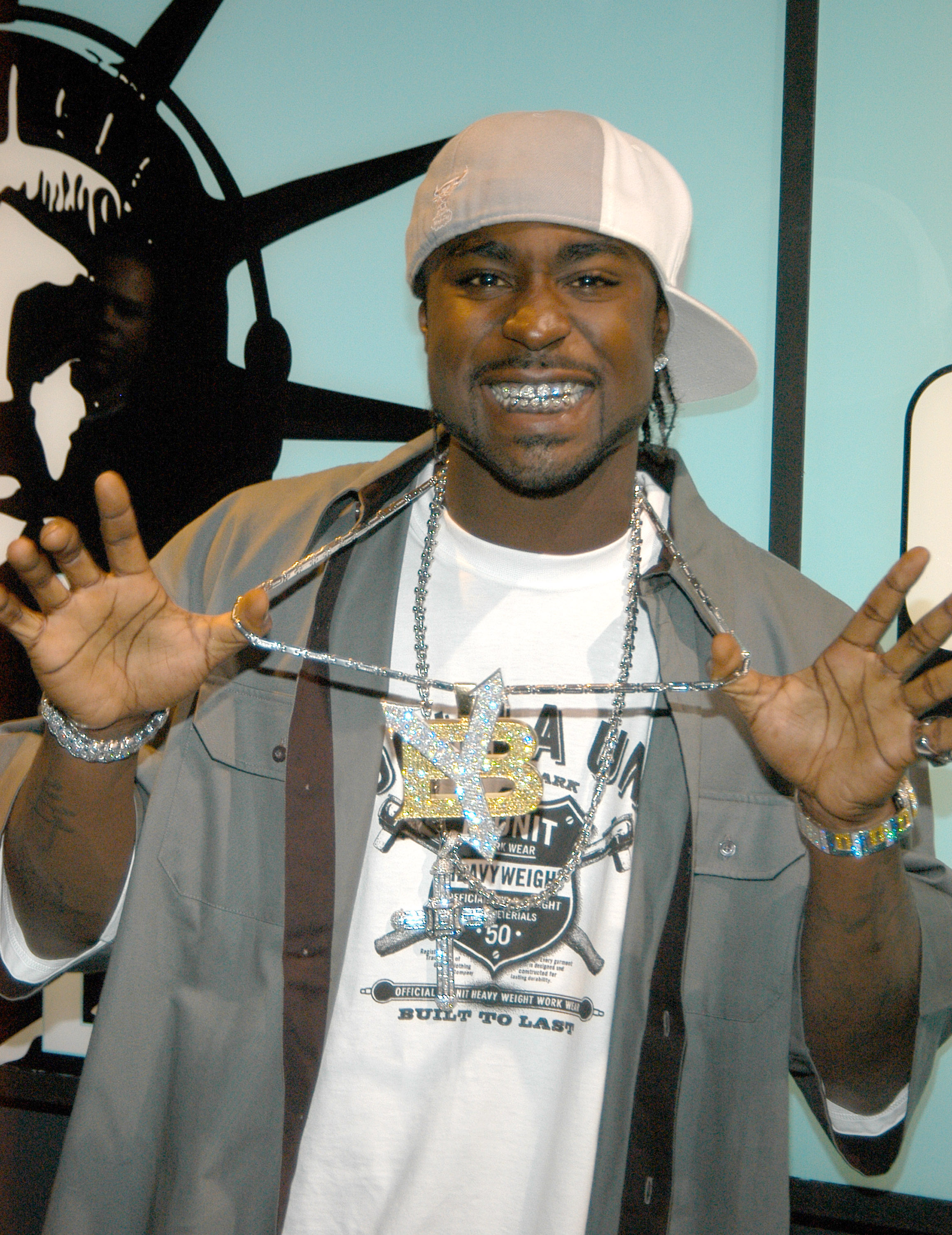
Nashville wasn't supposed to have a rap star in 2003. Not like this. When Young Buck officially joined G-Unit, he wasn't just a diversity hire for a New York-centric crew; he was the gasoline. 50 Cent had the business mind, Lloyd Banks had the lyrical precision, and Tony Yayo had the street persona. But Buck? Buck had the raw, unhinged energy that made Beg for Mercy feel dangerous. It's been over two decades since the Cashville representative first linked up with the Queens juggernaut, and honestly, the fallout is still one of the most complicated, messy, and frankly tragic stories in modern hip-hop history.
People forget how massive they were. You couldn't walk into a mall in 2004 without seeing G-Unit sneakers, G-Unit hoodies, and hearing Buck’s raspy voice on "Stunt 101." He was the first solo artist on the imprint to go platinum with Straight Outta Cashville. It felt like a dynasty. Then, the cracks started. Not small ones, either. We’re talking about public phone recordings, bankruptcy filings, and a decade-long contract dispute that turned a brotherhood into a legal nightmare. Read more on a connected issue: this related article.
The Rise of Young Buck within the G-Unit Empire
The story starts way before the 50 Cent era. Buck was actually down with Cash Money Records in the late '90s. He was running with Juvenile and the Baby Gangsta crew, learning the ropes of the industry before the world knew his name. When that situation soured, he found himself back in Tennessee, grindin'.
Luck or fate? Maybe both. 50 Cent was looking for a specific sound to round out the group while he was filming in the South. He heard Buck. He saw the charisma. Suddenly, the kid from Nashville was on a private jet to New York. More reporting by GQ delves into comparable perspectives on this issue.
Buck brought a "Dirty South" grit that G-Unit desperately needed to transcend its regional roots. If you listen to "Blood Hound" off Get Rich or Die Tryin', you hear it immediately. He wasn't just a guest; he was a focal point. He gave the group access to a demographic that didn't necessarily care about Southside Queens. They cared about the struggle, the hustle, and the unapologetic aggression Buck voiced.
Why the G-Unit and Young Buck Split Was Inevitable
Success breeds ego. That’s just the way it goes. By 2008, the tension was thick enough to cut with a shank. 50 Cent, ever the tactician, started questioning Buck's loyalty and his financial habits. 50 is a "by the books" guy when it comes to business—ironic for a former kingpin, but true. Buck was... more impulsive.
The breaking point? It wasn't just one thing. It was a build-up. 50 publicly claimed Buck was spending money faster than he was making it. There were rumors of Buck reaching out to Game (who had already been ousted from the group) and Fat Joe, two of 50's biggest rivals at the time. In 50’s world, you’re either with him or against him. There is no middle ground.
Then came the tape.
In a move that changed how rap beefs were handled, 50 Cent released a recorded phone conversation of Buck crying. It was brutal. Buck was heard sobbing, asking 50 for help with his taxes and his career. It was a calculated assassination of Buck’s "tough guy" image. For a rapper whose entire brand was built on southern thuggery, being heard weeping to your boss on a leaked YouTube clip was the death knell for his street cred at the time.
The Contract Prison
The real tragedy isn't the crying tape; it's the paperwork. Buck was signed to a deal that essentially kept him tethered to G-Unit Records even when he wasn't being promoted.
Imagine being an artist who can't release music because your boss won't let you, but you can't sign elsewhere because you're still under contract. That was Buck's reality for years. He was in a creative purgatory. He tried to release mixtapes, but the legal cease-and-desist letters followed him everywhere.
- Financial Ruin: The IRS eventually raided Buck's home in 2010. They took everything—recording equipment, jewelry, even his kids' PlayStation.
- The 2014 Reunion: There was a brief moment of hope at Summer Jam 2014. The whole crew—50, Banks, Yayo, and Buck—stood on stage together. They released The Beauty of Independence EP. It felt like the kings were back.
- The Second Fallout: It didn't last. Old wounds reopened. By 2018, the beef was back on, fueled by social media memes and 50’s relentless trolling.
The Transgender Allegations and the Trolling Era
If you follow 50 Cent on Instagram, you know he’s a professional bully. Around 2019, 50 started a campaign against Buck involving allegations regarding a transgender woman.
Buck has denied these claims repeatedly, calling it a smear campaign designed to finish his career. Whether the rumors were true or not almost became secondary to the sheer volume of the trolling. 50 used his massive platform to turn Buck into a meme. It was a new kind of warfare. It wasn't about bars; it was about humiliation.
Buck’s response was often erratic. He’d release a diss track one day and an emotional video the next. It showed the psychological toll of being the target of a multimillionaire with a grudge. Honestly, watching it felt gross after a while. It wasn't "hip hop" anymore. It was just watching a man lose his mind and his livelihood in real-time.
The Legal Reality of the "G-Unit" Brand Today
So, where do they stand now? As of 2024 and 2025, the situation remains legally knotted. Young Buck has filed for bankruptcy multiple times, largely as a tactic to try and get out of his G-Unit contract.
In a bankruptcy filing, Buck listed his G-Unit contract as an asset, but also claimed he didn't owe 50 Cent anything. 50’s lawyers, of course, disagreed. They argued that Buck still owed the label money from unfulfilled album obligations.
It’s a cautionary tale for any young artist. Read the fine print. When you sign with a superstar, you aren't just joining a crew; you're entering a corporate structure where your "big brother" is also your "employer."
Why We Should Still Care About the Music
Strip away the drama. Forget the IRS. Ignore the Instagram memes. If you go back and play Straight Outta Cashville, it still bangs.
Buck’s ability to weave stories about the struggle in Nashville with high-octane club anthems was unique. He had a gravelly delivery that felt authentic. He wasn't trying to be Jay-Z or Nas; he was trying to be the voice of the Tennessee projects.
- "Shorty Wanna Ride" is a classic.
- "Let Me In" is arguably one of the best introductory singles for any rapper in the 2000s.
- "Stay Fly" (Three 6 Mafia feat. Young Buck) showed he could hold his own with the legends of his region.
He was the bridge. Without Buck, G-Unit was just a New York group. With him, they were a national powerhouse.
The Misconception of the "Southern Falloff"
A lot of people think Buck fell off because he lost his talent. That’s just wrong. If you listen to his 10 Toes Down or 712 projects, the bars are still there. The hunger is still there. What he lost was the machine.
In the streaming era, you need a marketing budget. You need playlisting. You need a team to clear samples. When you’re in a legal war with one of the most powerful men in entertainment, those doors stay locked. Buck didn't lose his ability to rap; he lost his ability to be heard.
Moving Forward: The Lesson for Independent Artists
The saga of Young Buck and G-Unit is a blueprint of what to avoid.
First, never let your personal relationships blind your business sense. Buck viewed 50 as a mentor and a brother, which likely led to him signing documents he didn't fully understand.
Second, diversify. Buck’s entire brand was tied to G-Unit. When the G-Unit brand faded, he didn't have a backup plan. Contrast that with someone like Snoop Dogg or even 50 himself, who branched into TV, spirits, and tech.
Finally, the importance of debt management cannot be overstated. Rap is a high-income, high-expense lifestyle. When the checks stop coming but the lifestyle stays the same, the IRS becomes a more dangerous enemy than any rival rapper.
Actionable Steps for Fans and Creators
If you’re a fan of that era, don't just consume the drama. Support the independent ventures of these artists.
- Check the Mixtapes: Much of Buck's best work post-2010 is on sites like DatPiff (RIP) or Audiomack. It’s raw and unfiltered.
- Audit Your Own Contracts: If you're a creator, hire a lawyer who isn't paid by the person signing you. This is the "Buck Rule."
- Recognize the Human Aspect: Remember that behind the "Young Buck" persona is David Brown, a man who has been through the ringer of the American legal and music systems for two decades.
The G-Unit era was a lightning strike in hip hop. It was perfect for its time—aggressive, flashy, and dominant. But like all storms, it left a lot of wreckage in its wake. Buck is the most prominent piece of that wreckage, still trying to find his way to shore. Whether he ever fully escapes the shadow of the Unit is yet to be seen, but his contribution to the culture is undeniable, even if it’s currently buried under a mountain of litigation.



