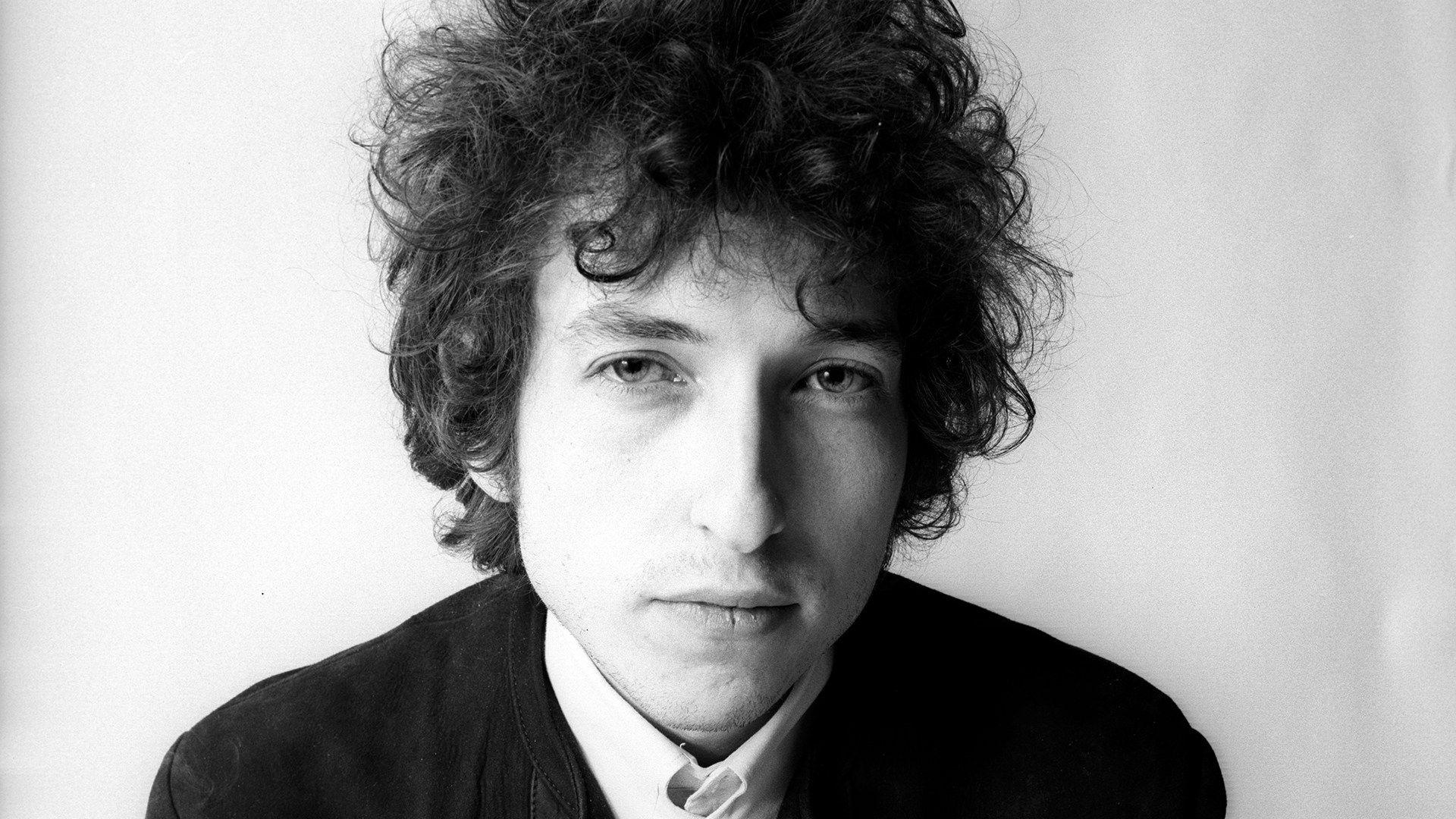
He looks like a kid playing dress-up. In the earliest young Bob Dylan images, specifically the ones from 1961 when he first hit Manhattan, there’s this weird tension between his baby face and the "dust bowl" persona he was trying so hard to project. You’ve seen the shots. The corduroy cap pulled low. The scruffy work shirts. He wanted to be Woody Guthrie so badly it hurt.
Honestly, if you look at the 1959 Hibbing High School yearbook—the Hematite—you see Robert Zimmerman. He's got a standard mid-century haircut and an ambition to "join Little Richard." Then, barely two years later, he’s in Greenwich Village, reimagined as a wandering troubadour with a fake backstory about joining the circus. You might also find this related article insightful: The Bonnie Tyler Coma Clickbait and the Broken Economics of Nostalgia Touring.
The Ted Russell Sessions: A Kid in a Fourth Street Walk-up
In late 1961, a freelance photographer named Ted Russell got a tip about a kid who had just signed to Columbia Records. He went to Dylan’s tiny apartment at 161 West 4th Street. What he captured is basically the "before" picture of a revolution.
These images are intimate. You see Dylan sitting at a cluttered desk, hunching over a typewriter, or snuggling with his girlfriend, Suze Rotolo. He looks adolescent. There’s a photo of him in his kitchen where he’s just... a guy. No stadium lights. No "Voice of a Generation" weight on his shoulders. Just a 20-year-old in a cramped New York flat trying to figure out how to write a song that matters. As discussed in recent articles by The Hollywood Reporter, the effects are widespread.
Russell actually tried to sell these photos to LIFE and The Saturday Evening Post at the time. They both passed. They didn't see it. It took about 30 years for these photos to really surface and show us the vulnerable side of the myth.
That Snowy Day on Jones Street
If we’re talking about young Bob Dylan images, we have to talk about Don Hunstein. He’s the guy who took the cover photo for The Freewheelin' Bob Dylan in February 1963.
It was freezing. Like, bone-chilling New York February cold. Dylan is hunched over, hands shoved deep into his pockets, walking down Jones Street with Suze Rotolo clinging to his arm. Most people think this was a highly staged, big-budget production. It wasn't. It was just a guy from the label’s photo department taking a walk with a couple.
The slush on the ground is real. The "effortless cool" was actually just Dylan shivering because he wasn't wearing a heavy enough coat for the weather.
Why the Freewheelin' Outtakes Matter
Hunstein took a bunch of shots that day. In the outtakes, you can see them laughing. You see the artifice slip. It reminds you that before he was a Nobel laureate, he was a guy in love, walking through the West Village, probably thinking about where to get a cheap coffee after the shoot.
Daniel Kramer and the "Electric" Metamorphosis
By 1964 and 1965, the vibe shifted. Hard. This is where Daniel Kramer comes in. If you have a favorite photo of Dylan from the mid-60s, Kramer probably took it.
He shot the covers for Bringing It All Back Home and Highway 61 Revisited. This wasn't the "dusty folkie" anymore. This was the "Hipster Squire."
- The Room of Influence: For the Bringing It All Back Home cover, Kramer used a 4x5 camera to create that weird, swirling blur effect. That woman in the red dress? That’s Sally Grossman, the wife of Dylan’s manager.
- The Symbolism: They spent hours gathering props—an oil painting, a Persian cat, fallout shelter signs. It was meant to look like a Renaissance portrait but for the rock era.
- The Gaze: Look at Dylan’s eyes in the Highway 61 cover. He’s wearing a Triumph motorcycle t-shirt and a silk shirt over it. He’s looking right at you. It’s a challenge.
Kramer captured the moment Dylan stopped being a folksinger and started being a rock star. The transition is jarring when you compare these to the 1961 shots. The soft edges are gone. Everything is sharp, cynical, and incredibly cool.
1966: The Peak of the "Thin Wild Mercury Sound"
Then there’s the 1966 world tour. This is the era of the "Chelsea Drugstore" look. Houndstooth suits, Wayfarers at night, and hair that looked like it was styled by an electric socket.
Barry Feinstein was the only photographer allowed on the 1966 European tour. He caught Dylan at his most exhausted and most brilliant.
One of the most famous young Bob Dylan images from this period is the "Aust Ferry" shot. Dylan is standing on a rain-soaked pier in Wales, waiting for a ferry, looking like he’s from another planet. His limo is in the background. He’s wearing a checkered suit. It’s the image Martin Scorsese used for the No Direction Home documentary because it perfectly sums up the isolation of fame.
Feinstein’s photos from this tour aren't just portraits; they’re evidence of a man burning out at 25. You see him slumped in the back of cars, hiding behind smoke, or standing defiantly in front of audiences that were literally booing him for playing an electric guitar.
The Village Voice Perspective: Fred W. McDarrah
While the "official" photographers were doing album covers, Fred W. McDarrah was the guy on the ground for The Village Voice. He caught the "hanging out" images.
There’s a great McDarrah shot from January 1965 of Dylan sitting on a bench in Christopher Park. He’s either shielding his eyes from the sun or giving a half-hearted salute. He looks like a local. He doesn't look like the most famous musician in the world.
McDarrah’s work is a reminder that the "legend" was built in real places—Café Wha?, the Gaslight Cafe, and Kettle of Fish. These images ground the myth in the actual geography of New York City.
How to Tell if a "Rare" Image is Actually Rare
If you're hunting for authentic young Bob Dylan images, you've gotta be careful. The internet is full of "unseen" photos that have actually been in books for decades.
- Check the hair: 1961 is short and neat. 1963 is the "fro." 1965 is the chaotic bird's nest.
- Look for the "Little Richard" smirk: In the very early shots, Dylan often has a toothy, cherubic smile. By 1965, he almost never smiles for the camera.
- The Photographer's Credit: If it’s high-contrast and moody, check if it’s Kramer or Feinstein. If it looks like a grainy newspaper shot, it’s likely McDarrah or a fan photo from a club like Gerde's Folk City.
Basically, these photos aren't just "cool pictures." They are a visual map of someone completely reinventing themselves in real-time. You can literally watch Bob Zimmerman disappear and Bob Dylan emerge, frame by frame, between 1961 and 1966.
Actionable Next Steps for Collectors and Fans:
- Search for the Rizzoli book Ted Russell: Bob Dylan NYC 1961–1964 if you want to see the most human, least "curated" version of Dylan before he became an icon.
- Visit the Bob Dylan Center website or their physical location in Tulsa, OK. They house the actual negatives and contact sheets from many of these sessions, which show the shots Dylan didn't want you to see.
- Verify prints by looking for the estate stamps of photographers like Barry Feinstein or Daniel Kramer. Original archival pigment prints from these estates are the gold standard for serious collectors.



