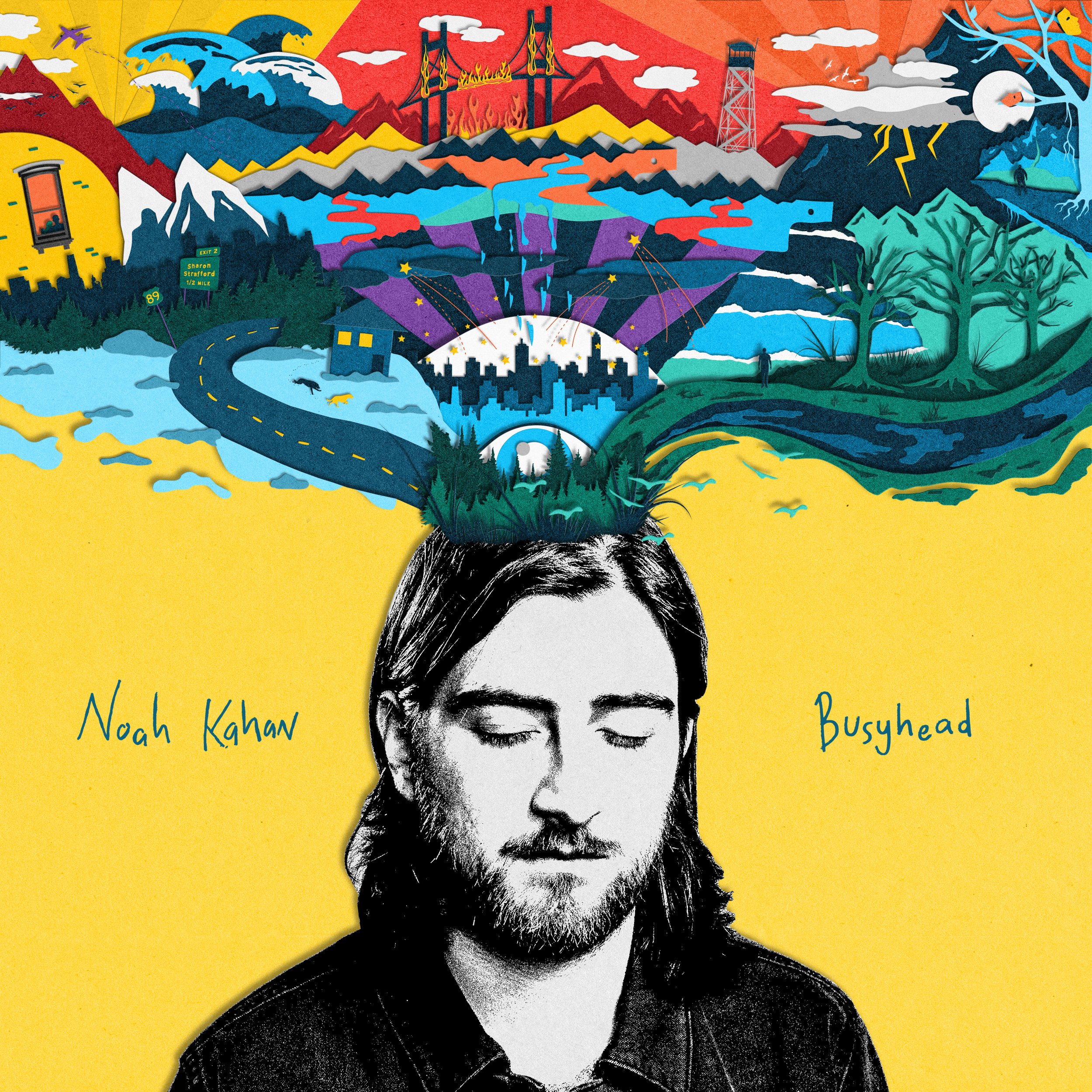
Before Noah Kahan was selling out Fenway Park or getting nominated for Grammys, he was just a kid on a 133-acre tree farm in Strafford, Vermont. Population? Barely a thousand people. If you’ve ever felt like you’re screaming into a void from a small town, you get it. Young Blood Noah Kahan wasn’t just a debut single; it was a desperate, hopeful anchor dropped into the ocean of the music industry by a 20-year-old who had just deferred his spot at Tulane University to gamble on himself.
It’s easy to look at the massive success of Stick Season and think he’s an overnight sensation. He isn't. Not even close.
In January 2017, when "Young Blood" hit streaming services, Noah was essentially a stranger to the world. He had signed with Republic Records and moved from the quiet hills of Vermont to the chaotic grind of New York and Nashville. The song was a self-inflicted pep talk. Honestly, it's a letter to his younger self—and his future self—about not losing his soul while trying to make it.
The Vermont Roots of Young Blood Noah Kahan
People often ask what the song actually means. If you listen to the lyrics, it’s basically a survival guide for staying grounded. He sings about "stitching up the loose threads" of his soul. That’s not just a poetic line. It’s a literal reflection of the anxiety he felt leaving a town where everyone knew his name for a city where he was just another guy with an acoustic guitar.
Growing up in Strafford meant spending long winters on that farm. His dad, Josh, taught him guitar. His mom, Lauri, who actually wrote parenting guides, taught him how to tell stories. That's a killer combination for a songwriter.
When he wrote Young Blood Noah Kahan was working with Joel Little. If that name sounds familiar, it should—he’s the producer who helped Lorde create Pure Heroine. Little’s touch gave the song that polished, indie-pop shimmer, but the bones of it remained pure Vermont folk.
Why it resonated so fast
The track didn't just sit there. It hit #5 on Spotify’s US Viral Chart almost immediately. It racked up 9 million streams in five months. For a debut single from a guy who’d never toured, those are stupidly high numbers.
- Authenticity: He wasn't pretending to be a rockstar. He was a "Jewish Ed Sheeran" (his words, not mine) singing about fear.
- Timing: The mid-2010s were hungry for that Hozier/James Bay folk-pop crossover sound.
- Vulnerability: Noah has always been open about his struggles with depression. "Young Blood" was the first time fans saw that "sad kid in a sad house" energy.
What Most People Get Wrong About Noah's Early Career
There’s this weird misconception that Noah Kahan started with "Stick Season."
I’ve talked to fans who think he appeared out of thin air in 2022. The truth is, he spent years as the "opening act." He opened for Milky Chance. He toured with The Strumbellas and Dean Lewis. He was the guy you saw at 7:30 PM while you were still waiting in line for a beer.
"Young Blood" was the song that kept him on the road. It gave him enough leverage to release his debut EP, Hurt Somebody, in 2018. Even then, he was leaning more into the "pop" side of things. If you go back and listen to the original version of Young Blood Noah Kahan sounds much more like a radio-ready pop artist than the gritty, banjo-heavy folk singer we see today.
He actually felt a lot of pressure during this era. He’s said in interviews that he spent a long time trying to be what the industry wanted—a "star"—rather than just being a songwriter. It took a global pandemic and a move back to Vermont to make him realize that the "Young Blood" version of himself was the one he needed to protect.
The "Young Blood" Philosophy
There’s a specific line in the song: "Keep your mind in the middle of the jungle."
It’s a weird metaphor, right? But it's about focus. It’s about not letting the "noise" of success or the "quiet" of failure pull you off center. When he plays it live now—even in huge stadiums—you can see it hits different. It's a reminder of the kid who was scared to leave the tree farm.
Practical Insights for New Fans
If you're just getting into Noah Kahan's discography because of his newer hits, you shouldn't skip the early stuff. It provides the context for everything he’s doing now.
- Listen to the Acoustic Version: There’s a version of "Young Blood" on YouTube that’s just Noah and a guitar. It strips away the Joel Little production and shows you the raw songwriting.
- Watch the Music Video: Directed by Drew Tyndell, it’s got this glitchy, artsy vibe that perfectly captures the "shifting" feeling of being 20 and lost.
- Compare it to 'Stick Season': Notice the vocal evolution. In "Young Blood," he's singing a bit higher, a bit more "polished." In his later work, he lets his voice crack and growl more. It's the sound of a man who stopped trying to be perfect.
The reality is that Young Blood Noah Kahan was the spark. Without that viral success in 2017, there is no Busyhead, no I Was / I Am, and certainly no Stick Season. It was the proof of concept that a kid from Vermont could write something that felt universal.
If you want to understand the "Busyhead" community, you start here. It’s about the "stitching up" process we all go through.
Next Steps for Your Playlist: To get the full picture of Noah's evolution, listen to "Young Blood" followed immediately by "View Between Villages." It’s a wild trip from the beginning of the journey to the moment he finally felt like he made it home. Check out his early live sessions on YouTube to see how he transitioned from a shy opener to the powerhouse performer he is now.



