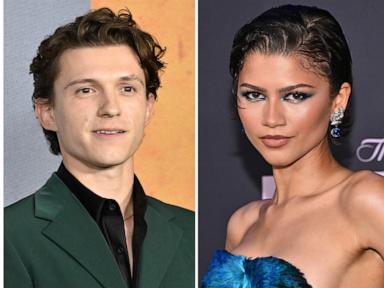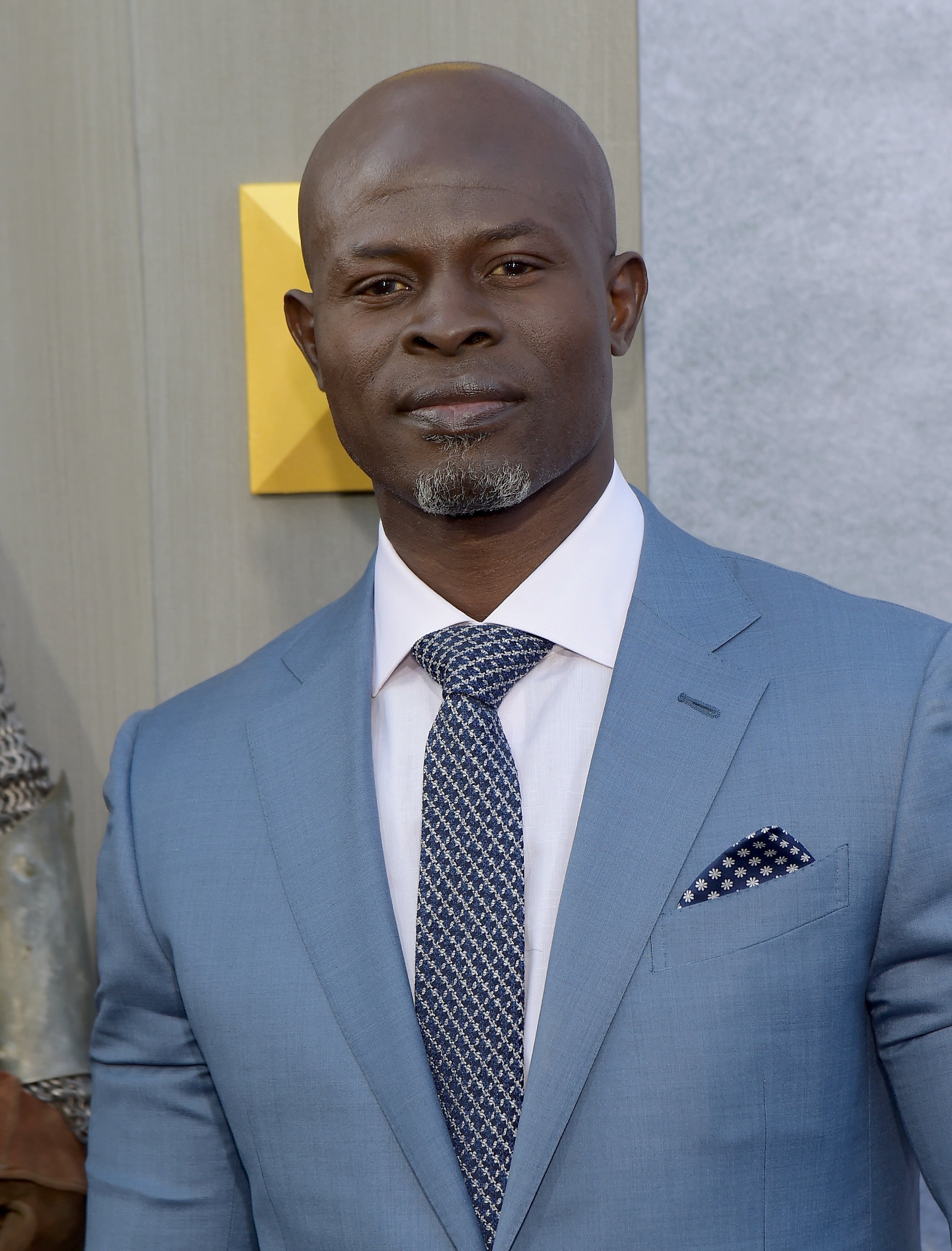
Honestly, the old Hollywood blueprint for stardom is dead. You’ve probably noticed it while scrolling through TikTok or catching a random trailer for a Netflix series that somehow feels like a blockbuster. The days of waiting twenty years to become a "household name" are over. Right now, a fresh wave of young black male celebrities is basically rewriting the rules of what it means to be famous, successful, and influential in 2026.
It isn't just about acting or making music anymore. It’s about being a mogul before you’re old enough to rent a car without an extra fee. We’re seeing a shift where talent is just the baseline; the real magic is in how these guys are navigating a digital-first world while staying authentic.
The Screen Stealers: Who’s Actually Leading the Pack?
If you haven’t heard the name Miles Caton yet, you’re about to. He’s currently the talk of the industry after his breakout in Ryan Coogler’s Sinners. People are already calling him a "one-of-one" talent. It’s that rare mix of raw intensity and the kind of screen presence that reminds you of a young Denzel, but with a 2026 edge.
Then there’s Aaron Pierre. He’s not exactly "new" to those who’ve been paying attention, but his role as John Stewart in the DC series Lanterns is about to catapult him into a different stratosphere. Transitioning into the superhero world is a rite of passage, but Pierre brings a certain "cerebrally fine" vibe—as some fans on social media put it—that makes him more than just another guy in a suit.
We also have to talk about Jharrel Jerome. The man already has an Emmy, but he isn’t slowing down. What’s cool about him is how he balances the heavy, prestige acting roles with his music under the name "J Rome." He’s the perfect example of how the new generation refuses to be put in a box.
The Actors Redefining the "Leading Man"
- Jabari Banks: The Bel-Air star didn't just step into Will Smith's shoes; he redesigned the whole outfit. He’s got that quintessential charisma that feels both nostalgic and totally current.
- Archie Madekwe: After Saltburn and Gran Turismo, he’s become a go-to for directors who want someone who can play complex, sometimes unsettling, but always magnetic characters. His recent nomination for the 2026 BAFTA Rising Star Award proves the industry knows he’s the real deal.
- Kelvin Harrison Jr.: He’s basically the king of range. Whether it’s playing a historical figure or a lead in a musical, he’s one of the few actors who can disappear into a role so completely you forget who you're watching.
More Than Just a "Vibe": The Rise of the Creative Mogul
It’s kinda wild to think about how Kai Cenat has changed the definition of a "celebrity." He’s a streamer, sure, but in 2026, he’s basically a one-man media empire. He doesn’t need a PR team to get him on a late-night show; he is the late-night show for millions of people.
This is where the young black male celebrities of today differ from the ones in the 90s. They own their platforms. They aren’t asking for a seat at the table; they’re building their own dining rooms.
Take someone like Zukenee in the music world. He’s not just dropping tracks; he’s selling an entire "medieval-trap" aesthetic that’s as much about the visual art and the sword-wielding persona as it is about the 808s. He’s part of a wave of Atlanta underground artists who are proving that you can be weird, niche, and still pull 19 million listeners a month.
The Business of Being Famous
You’ve got guys like Daniel Ashville turning "boring" industries like construction into massive YouTube brands. He’s showing that being a celebrity in the Black community doesn't have to mean you’re a rapper or an athlete. You can be a boss in waste management and still have a magnetic personality that gets you a show on National Geographic.
Then there’s the tech side. Herman Bekele, who was Time’s Kid of the Year not too long ago, is now 15 and making moves in medical innovation. While he might not be on a red carpet every night, his celebrity status is built on something that’s actually going to change lives.
The Myth of "Natural Ability" in Sports
We can't talk about young stars without hitting the sports world. But here’s the thing: people often lean on the "he’s just a natural athlete" trope when talking about young Black men in the NBA or NFL. It’s a bit of a backhanded compliment, honestly.
When you look at someone like Jaylen Brown or the rising stars in the NCAA, their success isn't just "genetics." It’s an insane amount of data analysis, diet, and mental training.
The 2026 landscape shows Black athletes taking over "non-traditional" spaces too. We’re seeing massive spikes in representation in:
- Men’s Volleyball: Participation is up over 120% in the last decade.
- Lacrosse: Up nearly 80%.
- Wrestling and Soccer: Both seeing 45%+ growth.
This shift is huge because it breaks that narrow "hooper or football player" stereotype. These guys are becoming faces of sports that, frankly, didn't always look like them.
Why This Shift Matters for Everyone Else
The "why" behind the rise of these young black male celebrities is just as important as the "who." For a long time, the media had a habit of only showing one or two types of Black men—the "thug" or the "superhuman athlete."
Research from places like the NCBI actually shows that when we see "counterstereotypes"—like a Black man who is a sensitive indie singer, a tech genius, or a quirky actor—it actually reduces prejudice across the board. It’s called "parasocial contact." Basically, when people form a "bond" with these celebrities through their screens, it changes how they view the community in real life.
It’s not just about entertainment; it’s about social health. These young men are carrying a lot of weight on their shoulders, whether they realize it or not.
What to Watch for in the Coming Months
If you're trying to stay ahead of the curve, keep an eye on these specific moves:
- The Biopic Boom: Jaafar Jackson is about to play his uncle, Michael Jackson, in the upcoming biopic. That’s either going to be the biggest movie of the decade or the most debated. Either way, he’s about to be everywhere.
- The UK Takeover: Artists like EsDeeKid and fakemink are proving that the British underground is currently the most creative place for hip-hop. Their influence on American fashion and sound is only getting stronger.
- The Producer-Actor: Watch for more stars like Michael Rainey Jr. to move behind the camera. They’ve spent their childhoods on sets and now they have the capital to start calling the shots.
Actionable Takeaways for Following the New Guard
If you want to support or keep up with this shifting landscape, here’s how to do it without just being a passive consumer:
- Diversify your feed: Stop following just the "A-listers." Look for the guys in the "Rising Star" categories at festivals like Sundance or the BAFTAs. That’s where the real talent is bubbling.
- Support the moguls: When a young creator like Kai Cenat or a founder like Brandon Blackwood drops something, look at the business model. There’s a lot to learn about how they’re bypassing traditional gatekeepers.
- Challenge the tropes: Next time you see a young Black athlete or actor, look past the "natural talent" narrative. Read about their training, their production companies, and their investments.
The reality is that young black male celebrities aren’t just a "trend." They are the new architects of global culture. Whether it’s through a 15-second clip or a three-hour epic, they’re forcing the world to see them in 4D—complex, ambitious, and totally unboxable.
To stay truly informed, look beyond the headlines of who's dating whom. The real story is in the credits of the shows you're watching and the ownership of the brands you're buying. That’s where the power is shifting, and it’s happening faster than most people realize.