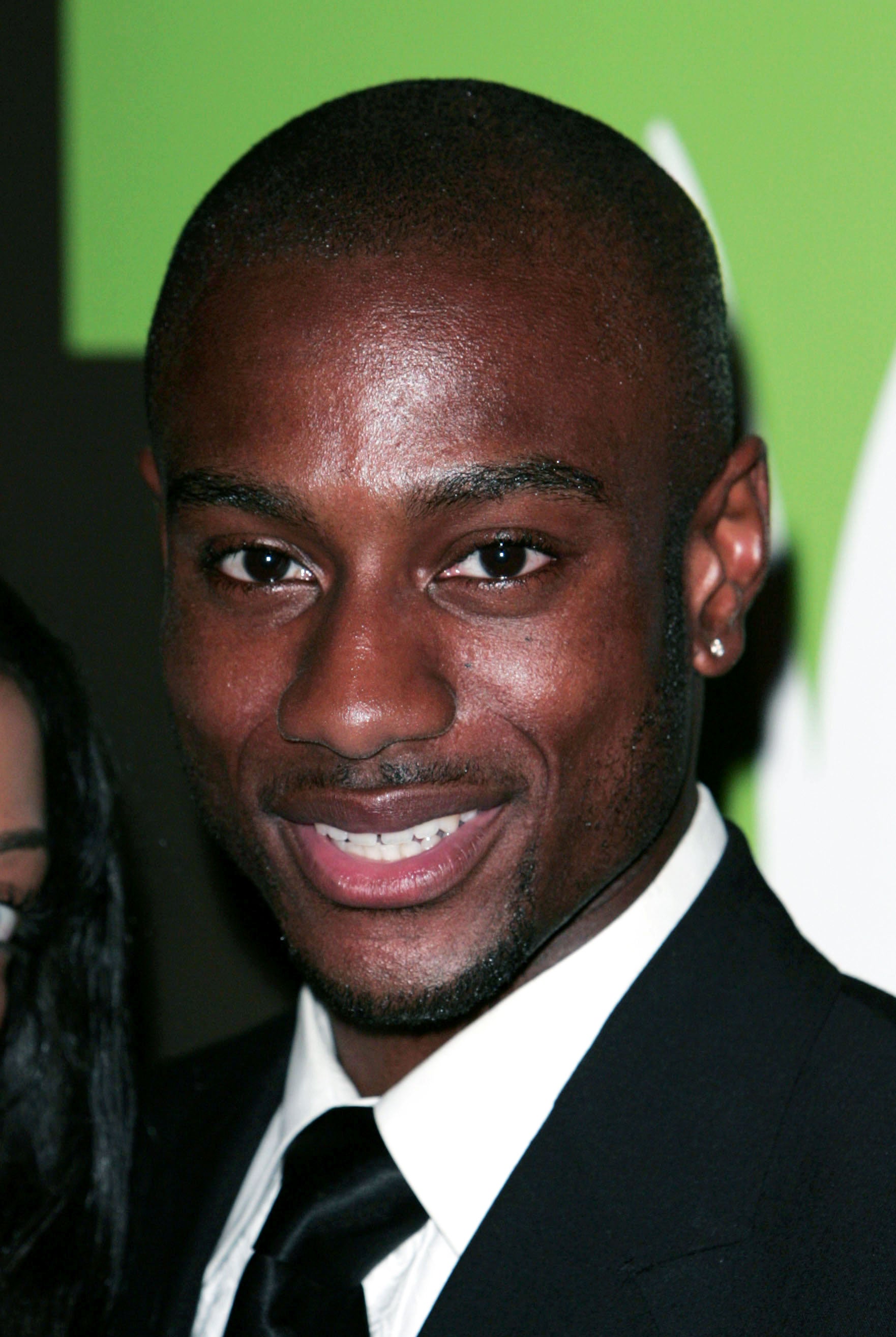
Hollywood is different now. I mean, actually different. If you look at the landscape of young black male actors today, we aren't just seeing a "diversity quota" being filled. We are seeing a complete takeover by a group of performers who care more about the craft than the clout.
You've probably noticed it.
It’s not just about being the "best friend" or the "sidekick" anymore. These guys are leading massive franchises, winning Emmys before they can legally rent a car in some states, and basically rewriting the rulebook on what a "movie star" looks like in 2026.
Honestly, the term "up-and-coming" feels kinda insulting for some of them. They aren't coming; they’re here.
The Misconception of the "Overnight Success"
People love a good Cinderella story. We see Damson Idris looking sharp at the 2026 Golden Globes and think, "Man, he just appeared out of nowhere."
He didn't.
Idris spent six seasons grinding as Franklin Saint on Snowfall. That wasn't luck; it was a slow-burn masterclass in how to play a villain you somehow still root for. Now, he’s starring alongside Brad Pitt in F1 and dodging James Bond rumors like a pro. When he tells reporters that the Bond talk is "just a rumor," you can tell he’s honored, but he’s also focused on his own brand, Didris.
Then there’s Jharrel Jerome.
If you haven't seen When They See Us, stop reading this and go watch it. Actually, wait—finish this first. Jerome became the first Afro-Latino actor to win an acting Emmy for his role as Korey Wise. That was years ago, and he’s only doubled down since. In 2024, he was playing a 13-foot-tall kid in I’m a Virgo, and by the end of last year, he was winning awards at TIFF for the wrestling biopic Unstoppable.
He’s not just an actor; he’s a shapeshifter.
Why Gen Z Actors are Changing the Game
The younger crowd—the guys under 25—are doing something even more interesting. They are diversifying their portfolios before they even hit their prime.
- Caleb McLaughlin: Everyone knows him as Lucas from Stranger Things. But have you seen his voice work? He’s literally the lead in the 2026 animated flick Goat, playing a character named Will Harris who wants to be a "roarball" pro. He’s working with Stephen Curry and Gabrielle Union.
- Asante Blackk: This kid is everywhere. From This Is Us to Landscape with Invisible Hand. He’s reportedly joining the cast of Euphoria and has a Snowfall spinoff on the horizon for later this year.
- Jaden Michael: After playing a young Colin Kaepernick, he’s moved into the lead of Harlan Coben’s Shelter. He’s got that classic leading-man energy but with a New York edge that feels very 2026.
Beyond the Screen: The Multi-Hyphenate Threat
One thing that most people get wrong about young black male actors is assuming they only want to act.
That’s old-school thinking.
Take Kelvin Harrison Jr. He is a "critical darling," sure. He was incredible in Waves and Chevalier. But he’s also voicing Scar in Mufasa: The Lion King. These guys understand that longevity in Hollywood means owning your voice—literally and figuratively.
They are producing. They are making music. Jharrel Jerome is dropping rap projects like Rap Pack while filming Oscar-caliber movies. It’s a level of hustle that makes the old studio system look lazy.
The British Invasion (Part 2)
We have to talk about the UK talent. It’s impossible to ignore.
Micheal Ward is a perfect example. After Top Boy and Empire of Light, he’s leading a massive revenge thriller called Uncle. He also popped up in Ari Aster’s Eddington last year alongside Joaquin Phoenix and Pedro Pascal.
There is a specific type of training that comes out of the UK—places like LAMDA—that produces these incredibly disciplined, stage-ready actors who just happen to look great on a 4K cinema screen. Aaron Pierre is another one. If you saw Rebel Ridge, you know he has the kind of screen presence that makes everyone else in the frame disappear.
What’s Actually Happening Behind the Scenes
It’s easy to look at a list of names and think things are great. And they are better. But let’s be real: the industry still has hurdles.
Expert observers like Ava DuVernay have pointed out that while the "front of house" looks diverse, the "back of house" (the producers, the financiers, the studio heads) still has a long way to go. These young actors are starting to realize that. That’s why you see guys like Damson Idris and Jharrel Jerome taking executive producer credits.
They don't just want to be the face of the movie; they want to own the digital files too.
The Shift in Roles
In the past, a young Black actor might be stuck in a "urban drama" or a "historical biopic."
Not anymore.
We’re seeing:
- High-concept Sci-Fi: (John Boyega, Damson Idris in Outside the Wire).
- Psychological Thrillers: (Kelvin Harrison Jr. in everything he touches).
- Experimental Comedy: (Jharrel Jerome in I'm a Virgo).
- Big-budget Animation: (Caleb McLaughlin in Goat).
This variety is what's driving the "Discover" feed interest. People are searching for these actors because they are curious about what weird, cool, or massive project they’ll do next.
Why This Matters for the Future of Film
If you’re a fan of movies, this is a golden age. The level of talent coming from these young black male actors is forcing everyone else to level up.
When you have someone like Justice Smith moving from Jurassic World to The Society of Magical Negroes and then into high-fashion campaigns, you realize the "box" is gone. There is no more box.
You've got Michael Rainey Jr. carrying a whole franchise with Power Book II: Ghost. You've got Marcus Scribner transitioning from Black-ish to indie films. The range is just... it's a lot.
Honestly, if you aren't paying attention to these names, you're going to be very confused when you look at the Oscar ballots for the next decade.
Actionable Insights for Fans and Aspiring Talent
If you're following the industry or trying to break in, keep these points in mind:
- Follow the Producers: Look at who is producing the films these actors are in. Often, it's companies like A24, Plan B, or even the actors' own burgeoning production houses. This tells you where the "good" scripts are going.
- Watch the Indies: While the Marvel and Star Wars roles pay the bills, the real "acting" happens in the smaller films. If you want to see what Kelvin Harrison Jr. is really capable of, don't just watch Mufasa; go back and watch Luce.
- Support the Multi-Hyphenates: When an actor like Jharrel Jerome drops music or a fashion line, it’s usually an extension of their creative "brand." Supporting these ventures helps them stay independent of the big studio whims.
- Track the Training: Notice the trend of UK-trained actors. If you're an aspiring performer, looking into classical training (even if you want to do film) seems to be the "secret sauce" for many of today's stars.
Hollywood is moving fast. The "new wave" isn't just coming—it's already crashed onto the shore and changed the coastline. Pay attention to the credits. The names you see there today are the ones who will be running the show tomorrow.



