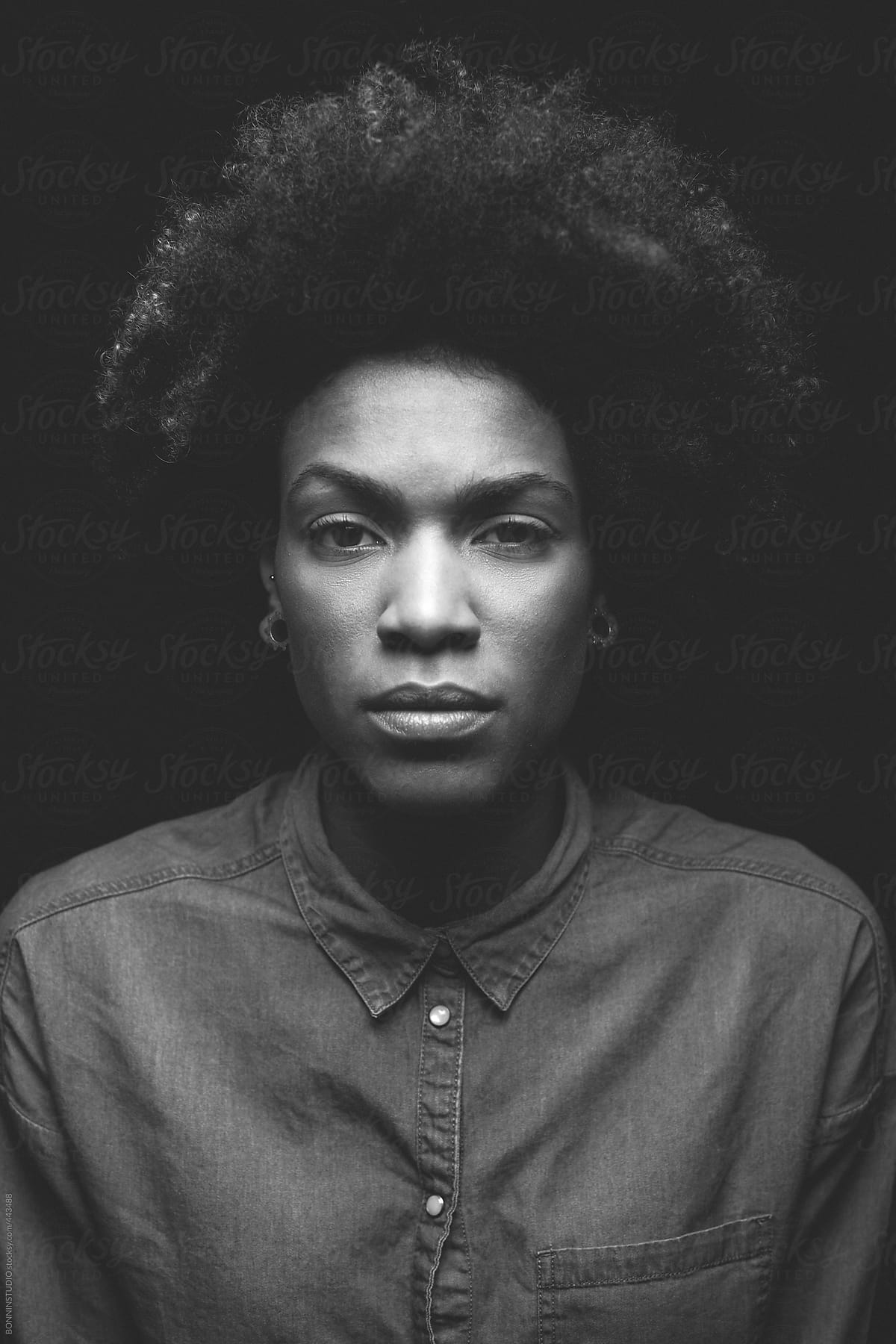
The shift is hard to miss. Honestly, if you’ve been paying attention to any screen—whether it's a massive IMAX display or the cracked phone in your hand—the faces leading the charge have changed. We aren't just seeing a "moment" for young Black American actresses. We are seeing a complete takeover. It’s kinda wild how fast the industry pivot happened. One minute, we were stuck in a loop of the same three archetypes, and the next, someone like Ayo Edebiri is basically everywhere, winning every award in sight and making it look easy.
But it’s not just about the fame. It's about the range.
We used to have these narrow boxes. You know the ones. The "sassy best friend" or the "struggling victim." Boring. Today, these women are playing trapeze artists, space explorers, chefs with anxiety, and high-fashion scammers. They aren't just filling seats; they are building their own tables.
Why Young Black American Actresses Are Owning 2026
If you want to understand the current landscape, you have to look at the sheer volume of projects hitting in 2026. This isn't a fluke. It's the result of years of grind.
Take Zendaya. At 29, she’s basically the blueprint. Most people still think of her as the Disney girl who made it big, but her 2026 slate is actually terrifyingly busy. She’s starring in Christopher Nolan’s The Odyssey (set for a July 17 release), A24’s The Drama alongside Robert Pattinson, and, of course, the next Spider-Man installment, Brand New Day. She isn't just an actress anymore; she’s a genre unto herself.
Then you have the "breakout" names that aren't really breakouts if you’ve been watching. Chase Infiniti just scooped up a Breakthrough Performance award at the 2026 National Board of Review Gala for her role in One Battle After Another. She went from being a "complete unknown"—her words—to the new face of The Testaments, that Handmaid’s Tale spinoff everyone is buzzing about.
The Producer-Actress Hybrid
One thing most people get wrong is thinking these women are just waiting for their agents to call. Nope. They are writing the scripts and signing the checks.
- Marsai Martin: She’s 21 now. Remember when she became the youngest executive producer ever at age 13 for Little? She hasn't slowed down. Her company, Genius Entertainment, is pumping out projects that specifically center Black joy, not just Black trauma.
- Storm Reid: Between Euphoria and The Last of Us, she’s proven she can handle the heavy stuff. But she’s also producing via her company, A Seed & Wings. She’s looking for the "why" behind the story, not just the "how much."
- Yara Shahidi: She’s been the voice of a generation through Grown-ish, but her 2026 focus has shifted heavily toward advocacy and behind-the-scenes development.
The Names You’ll Be Hearing All Year
It’s easy to get lost in the list of who’s "next," but certain names are inescapable right now. Ayo Edebiri is the prime example. After basically sweeping the 2024 and 2025 awards seasons for The Bear, she’s transitioned into a legitimate film powerhouse. She’s got that rare "everyman" quality—sorta awkward, deeply relatable, but capable of a gut-punch emotional scene that leaves you staring at the wall for twenty minutes.
And we have to talk about Coco Jones.
Talk about a comeback. Or maybe a "finally." After years of the industry not knowing what to do with her talent, her role as Hilary Banks in Bel-Air changed everything. In 2026, she’s balancing a major headlining tour with film projects that actually let her use that massive charisma. She’s proving that being a "multi-hyphenate" isn't a gimmick; it’s a survival strategy.
The New Vanguard of 2026
- Dominique Thorne: After making her mark as Ironheart, she’s moving into more experimental territory. She’s got that Barry Jenkins-approved depth that makes her stand out in a sea of CGI.
- Halle Bailey: People spent so much time arguing about The Little Mermaid, but she’s moved way past that. Her work in The Color Purple and upcoming 2026 projects shows she’s a classic Hollywood star in the making—voice of an angel, but with a real, raw acting edge.
- Tanzyn Crawford: Keep an eye on her. She’s making her big franchise debut as Tanselle in the Game of Thrones prequel A Knight of the Seven Kingdoms this year. That’s a career-maker.
The "Diversity" Misconception
Here’s the thing. People love to talk about "diversity" like it’s a checkbox. It’s not. For young Black American actresses in 2026, it’s about market share and authenticity. The audience is tired of the "token" character. We want stories that feel lived-in.
When you see someone like Teyana Taylor winning a Golden Globe and an NBR award for One Battle After Another, it’s not a diversity win. It’s a "she was the best person for the job" win. She’s been in the game for decades—music, dance, directing—and seeing her finally get these flowers as a leading lady is honestly long overdue.
There’s also a growing bridge between Nollywood and Hollywood. Actresses like Genoveva Umeh and Jemima Osunde are starting to cross over, creating a global Black cinema culture that didn't really exist ten years ago. It’s making the "American" part of the "Young Black American Actresses" tag feel a lot more expansive.
Reality Check: The Hurdles That Still Exist
It’s not all red carpets and Dior gowns. Let’s be real. There’s still a weird pressure on these women to be "perfect" representatives of the race. If a young Black actress messes up or takes a "bad" role, the internet discourse is ten times more toxic than it is for her white peers.
Look at the noise around Rachel Zegler (who identifies as Afro-Latina) or the constant scrutiny Halle Bailey faced. The "backlash" is often just thinly veiled bias. These actresses have to be twice as good to get half the credit, and they have to do it while navigating a social media landscape that wants to dissect their every move.
Also, the "pay gap" hasn't magically vanished. Even the A-listers often have to fight for quotes that their male or white counterparts get offered upfront. That’s why the move into producing (like Marsai Martin and Zendaya have done) is so vital. If you don't own the masters, you don't own the narrative.
How to Support and Follow the Movement
If you actually care about seeing more of this talent on screen, you've gotta do more than just "like" a photo on Instagram. Hollywood runs on numbers.
- Watch the Indie Projects: It’s easy to go see the new Marvel movie, but the real career-defining work is often happening at festivals like Sundance or SXSW. Support the smaller films.
- Follow the Production Companies: Keep tabs on what companies like A Seed & Wings or Genius Entertainment are greenlighting. That’s where the future is being built.
- Demand Better Writing: The best actress in the world can't save a script that treats her like a prop. Look for projects written and directed by Black creators who understand the nuances of the experience.
The landscape for young Black American actresses is the most exciting it has ever been. We’re moving away from a world of "firsts" and into a world of "standards." It’s no longer surprising to see a Black woman leading a sci-fi epic or a high-stakes legal drama. It’s just what’s happening. And honestly? It’s about time.
The next step is simple. Check the 2026 release calendars for The Odyssey, The Drama, or A Knight of the Seven Kingdoms. See the work for yourself. Stop treating these careers like a trend and start treating them like the powerhouse institutions they’ve become.



