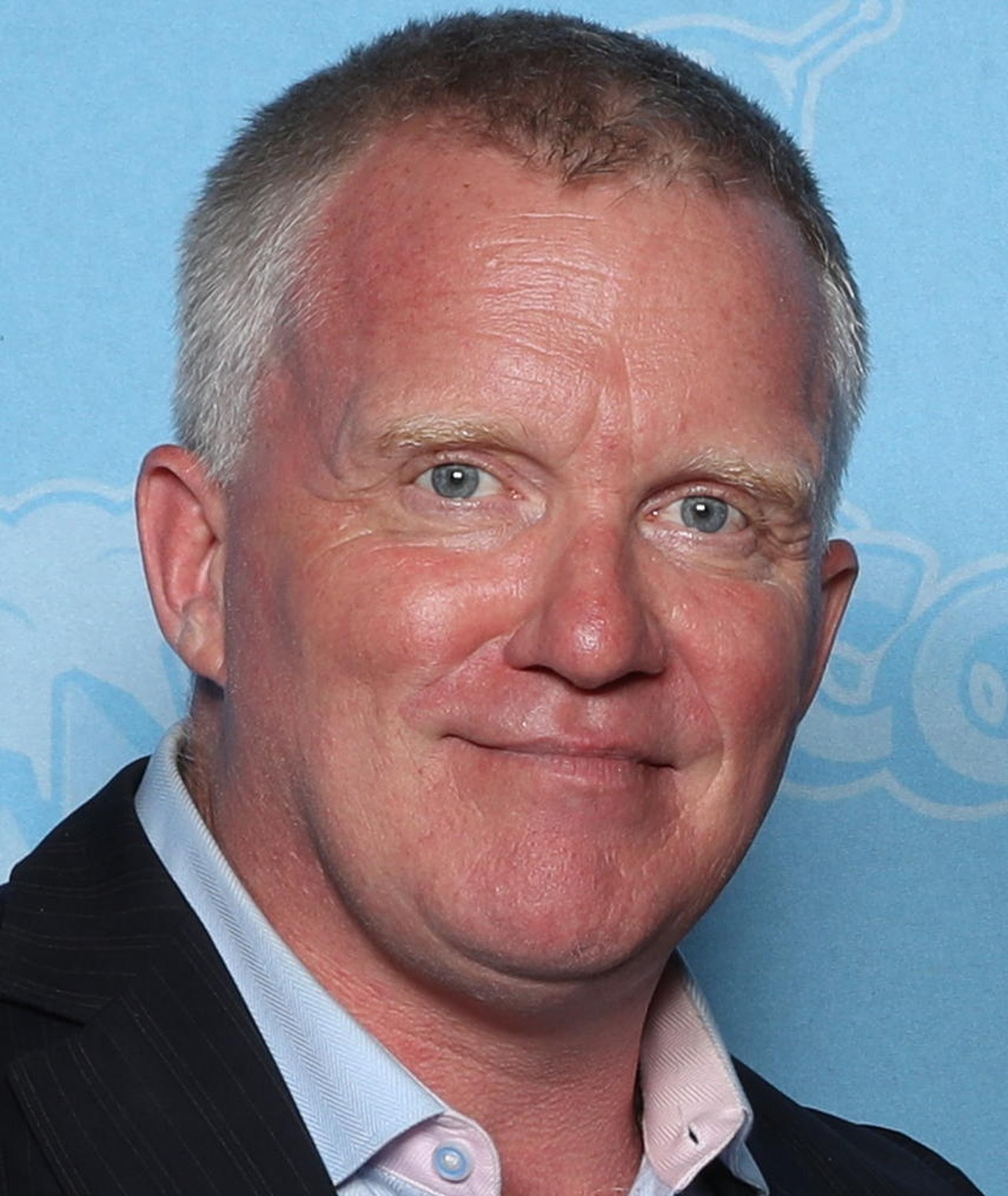
If you grew up in the 80s, Anthony Michael Hall wasn't just an actor. He was basically the avatar for every kid who felt invisible in a high school hallway.
Look at him in Sixteen Candles. He’s scrawny. He’s wearing braces that look like they could pick up satellite signals. He’s calling himself "The Geek." But there was something else there—a weird, manic confidence that made him impossible to ignore. He didn't just play nerds; he owned them.
Young Anthony Michael Hall was the secret weapon of John Hughes. Without him, the "Brat Pack" era would have lacked its soul. While the other guys were busy being brooding heartthrobs, Hall was in the trenches of puberty, making us laugh at the sheer awkwardness of existing.
The John Hughes Era: A Match Made in Suburban Heaven
It started with a station wagon.
In National Lampoon's Vacation, Hall played Rusty Griswold. He was just a kid then, but John Hughes (who wrote the script) saw something. He saw a 13-year-old who could upstage Chevy Chase. That’s not easy. Most kids in movies back then were either sickly sweet or annoying. Hall was neither. He was just... a guy.
Hughes basically adopted him as a cinematic muse. They did three movies in two years: Sixteen Candles, The Breakfast Club, and Weird Science. Hall recently told People magazine that he’s still amazed Hughes had the self-awareness to write those roles for him. It was a "puberty-on-film" trilogy.
Breaking the Geek Mold
In Sixteen Candles, he was Farmer Ted. He was the kid who would do anything for a pair of underwear from a popular girl just to prove he wasn't a "total zero."
But then came The Breakfast Club.
This was different. Brian Johnson wasn't just a comic relief character. He was the "Brain." The scene where he talks about why he’s in detention—contemplating suicide over a failing grade in shop class—is heartbreaking. It stripped away the "funny nerd" trope and showed the crushing pressure of being the smart kid. Honestly, it’s one of the most grounded performances of the 80s.
Then, just to flip the script, they did Weird Science.
Gary Wallace was a return to the manic energy. It was loud, it was hormonal, and it was ridiculous. By 1985, Hall was a bona fide superstar. He was only 17.
The SNL Gamble and the Breakup with Hughes
Success at 17 is a double-edged sword. Hall became the youngest cast member in the history of Saturday Night Live.
It was a weird year. 1985-1986 is often called "The Weird Year" of SNL. Lorne Michaels had just returned, and the cast was a strange mix of movie stars like Robert Downey Jr. and Joan Cusack rather than stand-up comics. Hall has admitted it was a lot of pressure. Imagine trying to be funny on live TV while your voice is still settling.
The writers didn't know how to write for a kid. He was a movie star in a sketch comedy world. It didn't quite click.
Turning Down Ferris Bueller
This is the part that most people get wrong about young Anthony Michael Hall. He wasn't just a "geek" who stopped getting work. He was actually offered Ferris Bueller’s Day Off and Pretty in Pink.
John Hughes wrote those roles specifically for him.
But Hall said no. He was tired. He wanted to change his image. He didn't want to be "The Geek" forever. This led to a "rupture" in his friendship with Hughes. It’s sad, really. They were like father and son, but Hall needed to grow up. He chose to do Out of Bounds instead—a gritty thriller where he played a guy caught up in a drug deal. It didn't do well at the box office, but it was his declaration of independence.
The Physical Transformation
By the time 1990 rolled around, the scrawny kid was gone.
If you haven't seen Edward Scissorhands lately, go back and watch it. Anthony Michael Hall plays Jim, the bully. He’s big. He’s muscular. He’s terrifying.
It was a total 180. He went from being the kid getting shoved into lockers to being the guy doing the shoving. He was playing against Johnny Depp, and he held his own. It was a clear signal: the 80s version of Anthony Michael Hall was officially retired.
Why We Still Talk About Him
We're obsessed with the 80s because it felt sincere.
Hall represented the middle ground. He wasn't the jock, and he wasn't the weirdo under the bleachers. He was the kid trying to bridge the gap.
His career didn't end with the Brat Pack. He reinvented himself as a leading man in The Dead Zone and a formidable villain in Reacher. But that specific window—from 1983 to 1986—captured a version of American adolescence that hasn't been replicated since.
Actionable Takeaways for Movie Buffs
If you want to understand why his early work is a masterclass in teen acting, don't just watch the highlights. Look for these specific nuances:
- The Eyes: In The Breakfast Club, watch his eyes during the "I'm a loser" speech. There’s a genuine fear there that you can't fake.
- Physical Comedy: In Sixteen Candles, his timing with the "Rolls Royce" scene is impeccable. It's all in the body language.
- The Voice: Listen to the shift from the high-pitched Gary in Weird Science to the deeper, more resonant voice in Johnny Be Good.
The lesson from Hall’s early career is basically this: don't let people put you in a box. He was the biggest nerd in the world, and he walked away from it at the height of his fame because he knew he had more to offer. That takes a certain kind of guts.
To truly appreciate his range, watch Sixteen Candles and Edward Scissorhands back-to-back. It’s the same actor, but it feels like two different souls. That is the hallmark of a performer who survived the child-star curse and came out the other side as a craftsman.



