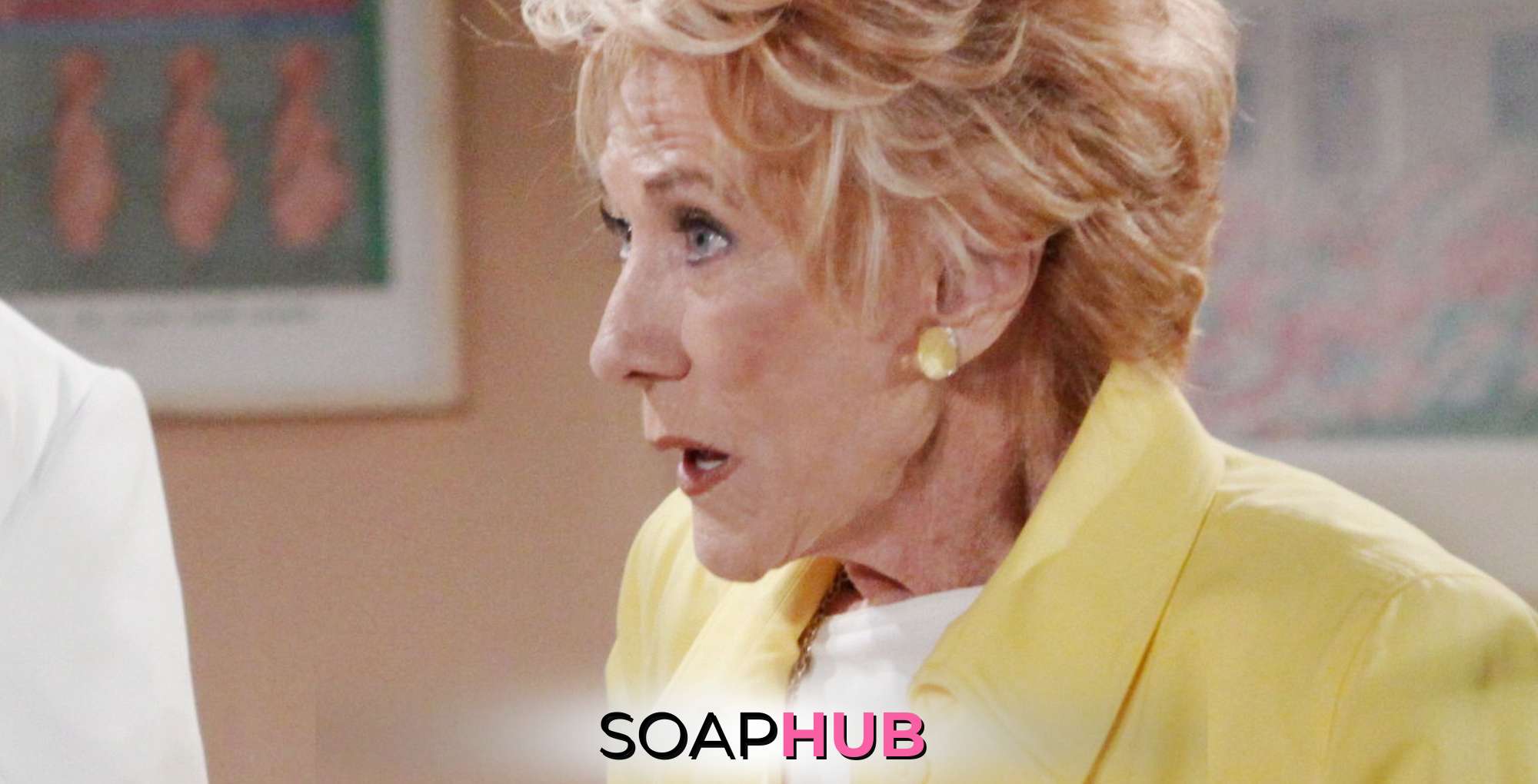
Honestly, if you grew up with the flickering glow of a TV in the afternoon, you knew the name. Katherine Chancellor wasn't just a character on The Young and the Restless; she was the sun that Genoa City orbited around for nearly four decades. But here’s the thing: most people remember the hats, the martini glasses, and the "Grand Dame" title, yet they completely miss the grit that actually made her legendary.
She wasn't born a queen. She was a woman who clawed her way through storylines that would have buried a lesser actress.
The 1974 "Quick Fix" That Lasted 40 Years
Back in 1973, The Young and the Restless was actually struggling. Hard. The ratings were in the basement, and show creator William J. Bell needed a spark to keep the lights on. Enter Jeanne Cooper. She was hired in early 1974 for what was supposed to be a short-term role—a boozy, bitter socialite to add some "controversy."
Basically, she was meant to be the villain. But Cooper had this wild, electric energy that the audience couldn't look away from. Instead of leaving after her three-year contract, she stayed until her death in 2013. You've got to realize how rare that is. We’re talking about 39 years of playing the same woman, evolving from a tragic alcoholic into the moral compass of an entire fictional town.
Why the Jill Abbott Feud Was Different
If you mention Young and Restless Katherine Chancellor, you have to talk about Jill Abbott. It is literally the longest-running rivalry in American soap history. It started over a man, Phillip Chancellor II, and ended with Kay driving a car off a cliff in a drunken rage. Phillip died, and the war was on.
But why did it work for 40 years? Because it wasn't just two women catfighting. It was a class war.
- The Power Dynamic: Kay had the mansion, the billions, and the Chancellor name.
- The Hunger: Jill was the young manicurist from the wrong side of the tracks who wanted it all.
- The Twist: Remember when they thought they were mother and daughter? That was a wild era (though later debunked by DNA).
They hated each other, sure. But they also couldn't exist without each other. Toward the end, their relationship turned into this beautiful, begrudging respect. They were two old lions in the same cage. Honestly, the "hose fight" where they sprayed each other down in the garden is still peak television. It was campy, but because it was Jeanne Cooper and Jess Walton, it felt real.
That Time She Had a Real Facelift on Camera
This is the part that still blows people’s minds. In 1984, Jeanne Cooper decided she wanted a facelift in real life. Most actresses would take a "vacation" and come back looking suspiciously refreshed. Not Jeanne.
She went to Bill Bell and suggested they write the surgery into the show. Katherine Chancellor got a facelift because Jeanne Cooper got a facelift.
They actually filmed the procedure. They showed the bandages coming off. It was the first time "reality" ever pierced the bubble of daytime soaps like that. It grounded the character. It told the audience: "Hey, I’m aging, and I’m doing something about it, and you’re coming with me." It made Kay human. It’s why fans would literally hand Cooper their AA chips in person; they didn't see a "wealthy socialite," they saw a woman who struggled with the same stuff they did.
The Tragic Marge and the Car Crash
Later in the series, things got a bit... soapier. We had Marge Cotrooke. Marge was a waitress at a diner who looked exactly like Katherine. Naturally, there was a kidnapping, a switcheroo, and a car crash.
For a while, everyone in Genoa City thought Katherine was dead. In reality, the "real" Kay was living with a man named Patrick Murphy (played by Michael Berman), who thought she was Marge. Watching Katherine Chancellor—a woman used to caviar—having to live a simple life as a waitress was some of the best acting Cooper ever did.
Eventually, she got her memory back, married Murphy, and returned to the mansion. But that storyline proved Kay didn't need the money to be interesting. She was a force of nature even in a diner uniform.
Breaking Down the Family Tree (Sorta)
Kay’s family life was a mess. Let's be real.
- Brock Reynolds: Her son from her first marriage to Gary Reynolds. He was a missionary, a singer, and often the voice of reason.
- Phillip Chancellor III: Her grandson. He "died" in a car crash, then it turned out he faked his death because he was gay and couldn't handle the pressure of the Chancellor name.
- Devon Hamilton: The big one. Kay eventually discovered Devon was her grandson. Seeing the wealthy, white matriarch of Genoa City embrace this young Black man and leave him a massive chunk of her fortune was a huge moment for the show’s legacy.
Dealing With the Loss of the Duchess
Jeanne Cooper filmed her last scene on March 26, 2013—the show's 40th anniversary. She died five days after it aired in May. The show didn't just recast her. They couldn't.
Instead, they gave Katherine a death that mirrored the actress’s impact. She died in her sleep while on vacation with Murphy. The memorial service was one of the most emotional things ever aired on CBS. They even brought in Jeanne’s real-life son, Corbin Bernsen (who played Father Todd), to officiate the service.
When you see the characters sitting in "Chancellor Park" today, they’re literally sitting in a set created to honor her memory. The "Duchess" is still there.
How to Watch Classic Katherine Today
If you’re looking to dive back into the Katherine Chancellor era, you've got options. You don't have to just rely on memory.
- Paramount+: They often have "best of" collections or milestone episodes. Look for the 1984 facelift episodes or the 2008 car crash.
- YouTube: The official Young and the Restless channel has "Throwback Thursdays" that frequently feature Kay and Jill’s legendary brawls.
- Soap Opera Digest Archives: If you want the behind-the-scenes drama (like the real-life tensions between Cooper and some of her co-stars), their digital archives are a goldmine.
Actionable Insight: If you really want to understand why Katherine Chancellor matters, go watch her 2008 Daytime Emmy acceptance speech. She had been nominated dozens of times and finally won for Lead Actress. She walked up there, took the statue, and basically told the world she wasn't done yet.
That was the essence of Katherine: resilience, a bit of ego, and a whole lot of heart. She taught us that you can mess up—you can lose your husband, your money, and your sobriety—and you can still come back and own the room. Just make sure you're wearing a good hat when you do it.



