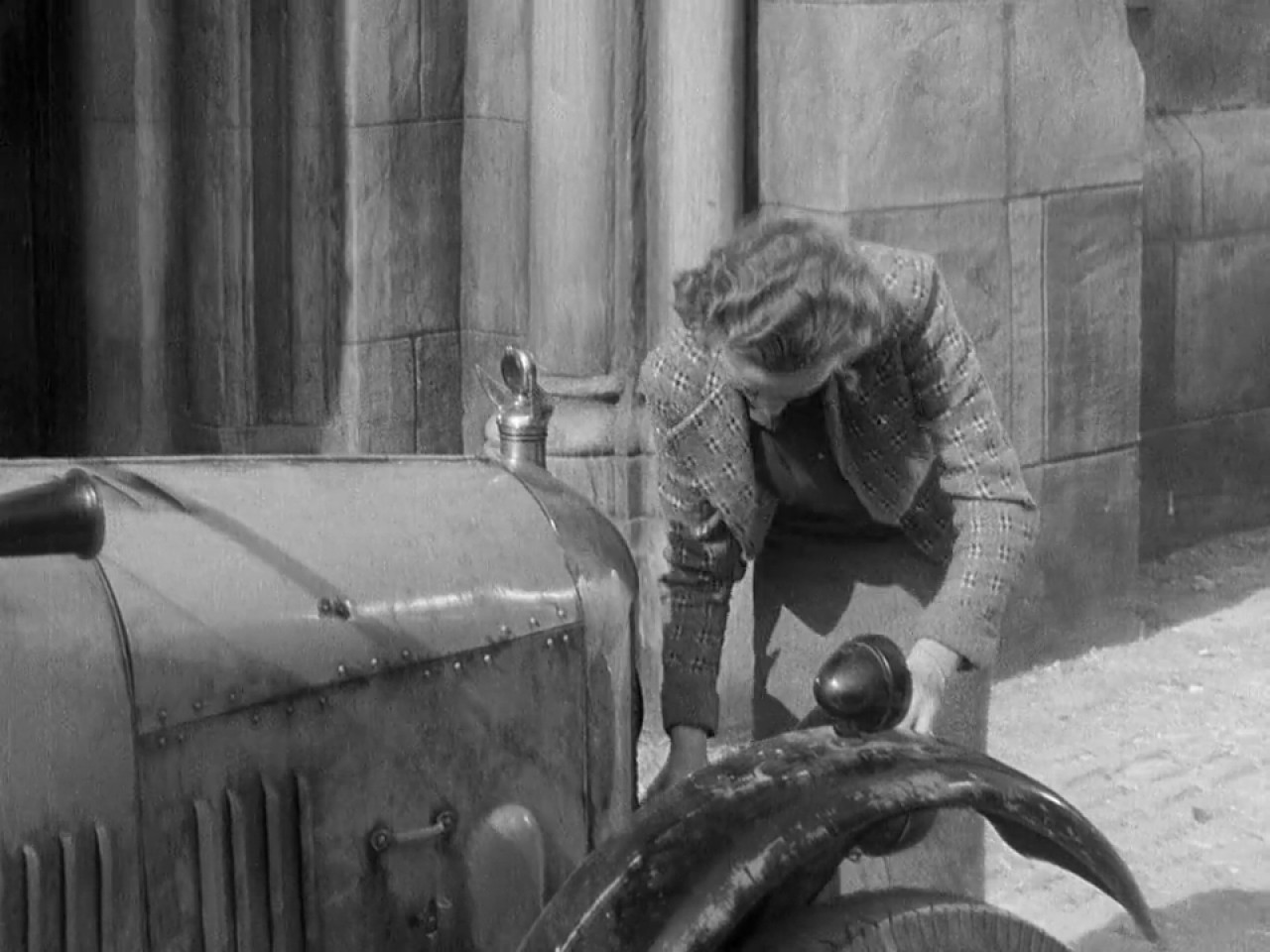
Most people think they know Alfred Hitchcock. They think of the shower scene in Psycho or the dizzying heights of Vertigo. But if you haven't seen Young and Innocent 1937, you’re missing the exact moment the Master of Suspense figured out how to make us fall in love with a man on the run. It’s a weirdly charming film. Honestly, it’s probably his sunniest thriller, which sounds like an oxymoron until you actually sit down and watch it.
The plot is classic Hitch. A man is framed for a murder he didn't commit and has to find the real killer to clear his name. Simple. But what makes this one stick in your brain isn't just the tension. It’s the chemistry between a very young Derrick De Marney and Nova Pilbeam.
The "Wrong Man" Trope Before It Got Dark
By 1937, Hitchcock was basically the king of the British film industry. He’d already done The 39 Steps, which everyone loves, but Young and Innocent 1937 feels different. It’s lighter. It feels like a Sunday afternoon drive that occasionally veers off a cliff.
Robert Tisdall, our protagonist, finds a body on the beach. He runs for help. Naturally, because this is a movie, the police assume he's the killer because they found a belt from his raincoat near the corpse. It’s a bit of a stretch, but that’s the "innocent man" setup Hitchcock obsessed over for decades. What’s actually interesting is how Tisdall escapes. He doesn't use some high-tech gadget or a complex ruse. He just sort of... wanders out of the courtroom during a scramble for some dropped spectacles. It’s almost accidental.
Why Nova Pilbeam Changed the Dynamic
You’ve got to talk about Nova Pilbeam. She plays Erica Burgoyne, the daughter of the local police constable. That’s the hook. The man running from the law is being helped by the daughter of the man trying to catch him.
Pilbeam was only 17 or 18 when they filmed this. She brings this genuine, wide-eyed sincerity to the role that grounds the whole movie. She isn't a femme fatale. She isn't a damsel in distress who just screams. She’s the one driving the car—literally. In a time when female leads were often just set dressing, Erica is the engine of the plot. She risks her social standing and her relationship with her father because she has a "hunch" Tisdall is a good guy. It’s risky. It’s bold.
The film was released in the US under the title The Girl Was Young, which is a bit of a boring title compared to the original. But it highlights the focus on Erica.
That One Famous Shot (You Know the One)
If you’re a film student or just a nerd for cinematography, you’ve heard of the "Grand Hotel" crane shot. It’s legendary. Basically, the camera starts at the very back of a huge ballroom, high up in the air. It begins to move forward, gliding over the heads of dancers. It keeps going. It gets closer and closer to the band on stage. Then, it zooms in—all the way—until the entire screen is filled with the twitching eye of the drummer.
The drummer has a nervous tic. That’s the "tell."
It’s one of the most technically ambitious shots of the 1930s. No CGI. Just a massive crane and a camera operator who probably had nerves of steel. Hitchcock wanted to show the audience the killer before the characters found him. He lets us in on the secret, which creates that specific type of anxiety he’s famous for. We know who the guy is. We’re just waiting for Erica and Robert to realize the man in blackface playing the drums is the murderer they’ve been hunting.
Wait, yeah. Blackface. It’s a 1937 movie, and that part has aged like milk. It’s uncomfortable to watch now, and it’s a jarring reminder of the era's prejudices. The killer is hiding in plain sight as a "minstrel" performer. While it serves the plot—the twitching eyes are the only thing visible through the makeup—it’s the one part of the film that feels genuinely dated and offensive to modern sensibilities.
The British Landscape as a Character
Hitchcock loved the English countryside. In Young and Innocent 1937, he treats the setting like a playground. We get scenes in a children’s birthday party that feel strangely claustrophobic despite the balloons. We get the "Old Will" character, a homeless man who is the only witness to the killer's identity.
The film feels grounded in a way his later Hollywood stuff sometimes wasn't. It’s gritty but polite. There’s a scene in a mine shaft that collapses, which was actually quite a feat of practical effects for the time. They didn't have the budget of North by Northwest, so they had to get creative.
Real Production Hurdles
Hitchcock was notorious for being "difficult" with actors, but he seemed to have a soft spot for this production. He was working with Gaumont-British, and the budget wasn't massive. They shot at Lime Grove Studios.
Interestingly, the dog in the movie, a Smithfield sheepdog named Anna, actually belonged to Hitchcock’s family. He loved his dogs. Using his own pet added to that cozy, domestic vibe that clashes so weirdly with the murder plot.
How to Watch Young and Innocent 1937 Today
If you’re looking for a copy, be careful. Because it’s an older film, there are dozens of terrible, grainy "public domain" versions floating around YouTube and cheap DVDs. They look like they were filmed through a sock.
- Look for the restored versions. Network or Criterion-adjacent releases have cleaned up the sound.
- Pay attention to the sound design. Hitchcock was experimenting with "diegetic" sound—music that exists within the world of the movie—long before it was standard.
- Compare it to The 39 Steps. You’ll see the DNA of the "fugitive couple" genre being built in real-time.
Actionable Insights for Film Buffs
If you want to truly appreciate this era of cinema, don't just watch it as a museum piece.
- Analyze the pacing: Notice how Hitchcock uses humor to break the tension. The "aunt" character at the beginning is hilarious, and it makes the stakes feel more personal later on.
- Study the camera movement: That ballroom shot isn't just a gimmick; it’s a narrative tool to bridge the gap between "the search" and "the discovery."
- Note the gender roles: Erica is the one with the agency here. Compare her to the "Hitchcock Blondes" of the 1950s. She’s much more grounded and less of a stylized icon.
Ultimately, this movie is a bridge. It bridges the gap between Hitchcock’s silent film roots and the massive global superstar he would become in America. It’s flawed, sure. The ending feels a little rushed, and the "blackface" disguise is a massive blemish. But for a story about two kids trying to solve a crime while the whole world is against them, it’s still got plenty of heart.
To get the most out of your viewing, try to find a version with the original British soundtrack. Some American edits chopped bits out to make it move faster, but you lose the atmospheric "slow burn" that Hitchcock was perfecting. Watch for the way he uses shadows in the windmill scene. It's pure expressionism disguised as a simple adventure. That’s the real magic of 1937 filmmaking. It wasn't just about the story; it was about how the camera told it.



