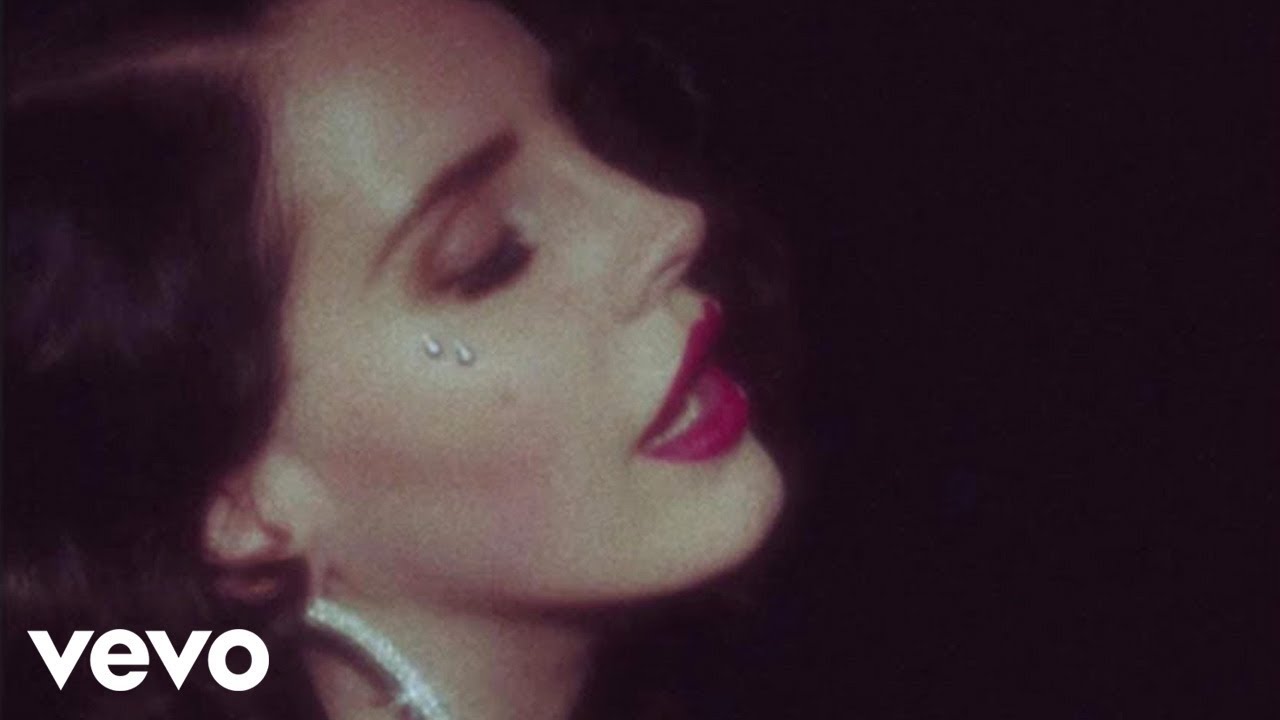
You know that feeling when a song just fits a movie so perfectly it’s almost spooky? That’s exactly what happened back in 2013. Baz Luhrmann’s glitzy, chaotic, and neon-drenched take on The Great Gatsby needed a heartbeat. It found it in Lana Del Rey. Most people just call it the "will you still love me" song, but the actual title is "Young and Beautiful." It wasn't just a track on a soundtrack; it became the entire emotional backbone of the film.
Honestly, it’s rare for a modern pop song to feel this timeless.
Lana Del Rey wrote it with Rick Nowels. At the time, she was still riding the massive wave of Born to Die. People were skeptical. Could a "vintage-style" pop star actually capture the tragic weight of F. Scott Fitzgerald’s Daisy Buchanan? Turns out, she was the only one who could. The song asks a terrifyingly simple question: Will you still love me when I’m no longer young and beautiful? It’s a question about expiration dates. In the world of Gatsby, everything has an expiration date.
The Story Behind the Lana Del Rey Great Gatsby Collaboration
Baz Luhrmann is known for being extra. He doesn't do "subtle." For the Gatsby soundtrack, he tapped Jay-Z to executive produce. The result was this weird, wild blend of hip-hop, jazz, and indie pop. But among the bangers and the high-energy dance tracks, "Young and Beautiful" stood out because it felt like a ghost.
Lana actually had the song in her pocket before the movie was even a thing. She played it for Luhrmann, and he reportedly fell in love with it immediately. He didn't just use it once. He used it as a recurring motif. You hear the lush, orchestral version when Gatsby is showing Daisy his shirts—that famous scene where she cries because they’re "such beautiful shirts"—and you hear the DH Orchestral Version during the most tense moments of their doomed romance.
It’s about vanity. It’s about the fear of fading.
Daisy Buchanan is a character defined by her surface. She’s "the golden girl." Gatsby doesn't just love her; he loves the idea of her. He loves the status she represents. So, when Lana sings about having an "aching soul" and wondering if she’ll still be loved when she has "nothing but her aching soul," she is voicing Daisy’s deepest, unspoken insecurity. It’s haunting.
Why "Will You Still Love Me" Became a Cultural Reset
If you were on the internet in 2013, you couldn't escape this song. It was everywhere. It peaked at number 22 on the Billboard Hot 100, which is decent, but its "chart position" doesn't reflect its actual impact. The song became the anthem for a specific kind of melancholy aesthetic.
Think about the lyrics for a second.
"I've seen the world, done it all, had my cake now."
That’s pure Gatsby. It’s the excess of the 1920s viewed through a 21st-century lens. The song bridges the gap between the Jazz Age and the "Tumblr Era." It’s also incredibly cinematic. The heavy strings, the slight echo on Lana’s voice, and that soaring chorus feel like they belong in a cathedral. Or a mansion in West Egg.
Some critics at the time were actually kind of mean about it. They called it repetitive. They said Lana’s "sad girl" persona was getting old. But the fans? They didn't care. They saw the vulnerability. The song eventually went multi-platinum. It’s arguably one of the most successful soundtrack leads of the last twenty years, right up there with Adele’s "Skyfall."
The Musical Structure of Obsession
The song doesn't follow a standard pop formula. It’s a slow burn. It starts with those dark, moody low notes and builds into something grand. It’s written in the key of B minor, which is famously a "sad" key.
Musically, it’s a mix of:
- Baroque pop
- Orchestral arrangements
- Dream pop vocals
There isn't a bridge in the traditional sense. It just swells. It mimics the feeling of a party that’s starting to wind down, where the lights are getting dim and you’re starting to realize the hangover is going to be brutal. That’s the "will you still love me Lana Del Rey Great Gatsby" vibe in a nutshell. It’s the comedown after the high.
Comparing the Movie Version to the Single
There are actually a few different versions of the song. The "Original" version is what you usually hear on the radio. But the "DH Orchestral Version" is arguably better for setting a mood. It strips away some of the contemporary drum sounds and lets the strings do the heavy lifting.
In the film, Luhrmann uses the song to signal whenever Gatsby is looking at Daisy with that desperate, "I can repeat the past" intensity. It’s a warning. While Gatsby is looking at her like she’s a goddess, the song is asking if he’ll still want her when she’s just a person.
Interestingly, the song almost didn't get its Oscar nomination. There was a bunch of drama with the Academy’s music branch. They eventually cleared it, but it didn't win. It lost to "Let It Go" from Frozen. Let's be real—nothing was beating Frozen that year. But "Young and Beautiful" has definitely had a longer shelf life in terms of "cool factor."
The Legacy of the Song in 2026
We are now over a decade past the release of the film. People are still using this song for TikTok edits and Instagram reels. Why? Because the fear of aging hasn't gone away. If anything, in the age of filters and AI-perfected faces, the question "Will you still love me when I'm no longer young and beautiful?" feels even more relevant.
It’s a song about the fear of being replaced.
Lana Del Rey has released a lot of music since then. She’s experimented with rock, folk, and even spoken word. But for many, her work on The Great Gatsby remains the definitive example of her power. She can take a massive, big-budget Hollywood production and make it feel intimate and crushing.
What You Should Do Next
If you want to truly appreciate the layers of this track, don't just stream the radio edit.
- Listen to the Orchestral Version. It brings out the 1920s "Wall of Sound" influence much better than the standard version.
- Watch the Music Video. It’s simple—just Lana in a dark room with "diamond tears" on her face—but it captures the mournful tone of the lyrics perfectly.
- Read the "Long Island" Chapters of the Book. If you read chapters 5 and 6 of The Great Gatsby while listening to this song on loop, the emotional resonance of Gatsby’s obsession becomes much clearer.
- Check out the Covers. Artists like Postmodern Jukebox have done 1920s jazz covers of the song that actually bring it back to the era the movie was trying to portray.
The "will you still love me" refrain isn't just a hook. It's a plea. And as long as people are afraid of losing their "spark," this song is going to stay relevant. It’s the sound of a dream falling apart, wrapped in a beautiful, silk-covered package.
To get the full experience, look for the Great Gatsby: Deluxe Edition soundtrack. It includes the Dan Heath version of the song, which features a much more dramatic opening that wasn't used in the main radio release. It changes the entire mood from a pop ballad to a cinematic tragedy.



