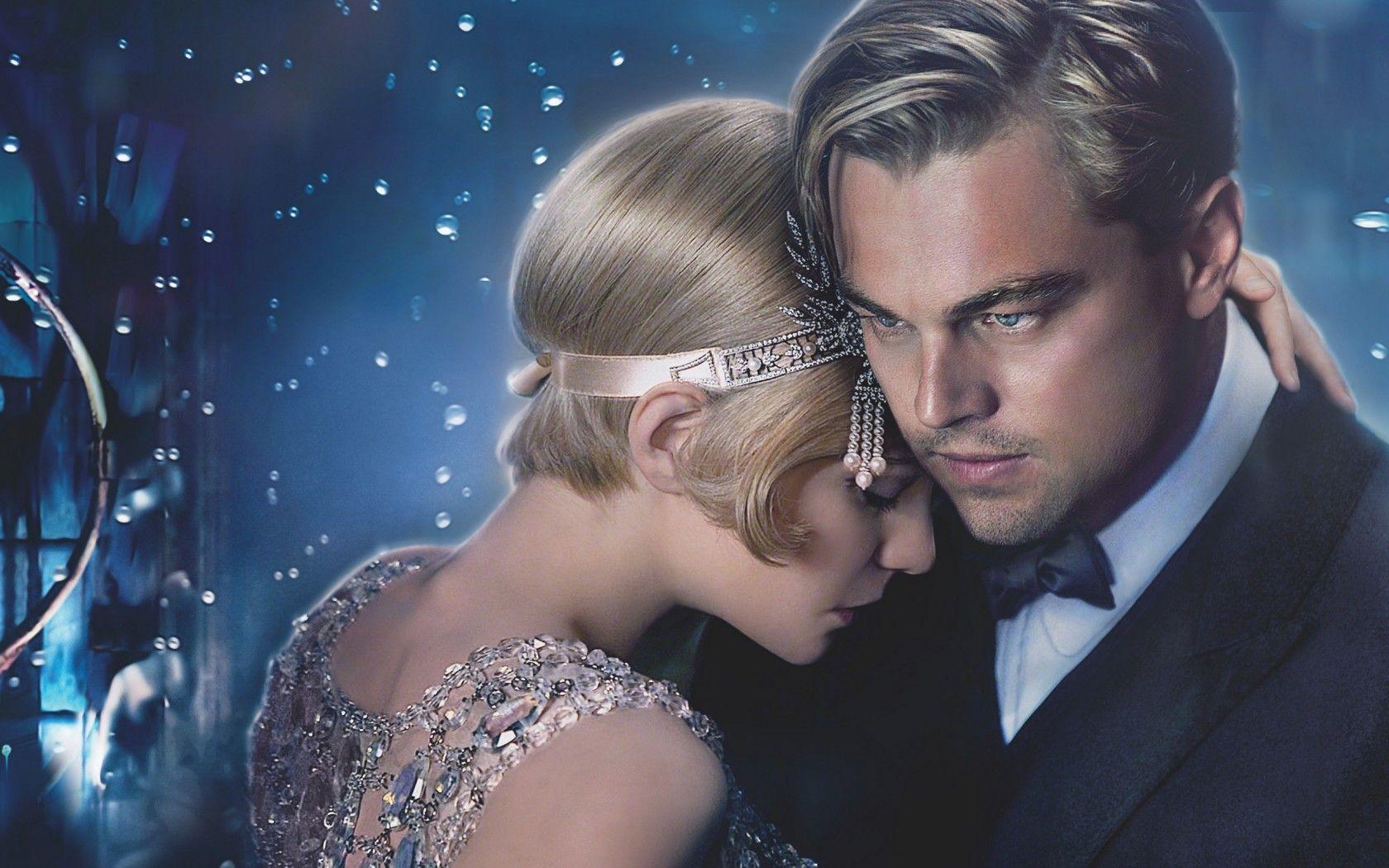
Lana Del Rey’s "Young and Beautiful" wasn't even around when F. Scott Fitzgerald was scribbling his masterpiece in a rented villa on the French Riviera. But now? You can’t think of one without the other. It’s kinda wild how a song written nearly ninety years after the book was published has become the definitive lens through which we view Jay Gatsby’s doomed pursuit of Daisy Buchanan.
Fitzgerald was obsessed with the ticking clock. He saw youth as a currency that devalues the second you spend it. When we talk about young and beautiful in Great Gatsby contexts today, we aren’t just talking about a catchy chorus or a sweeping orchestral swell. We’re talking about the terrifying realization that time is the only thing Gatsby’s millions couldn't buy.
Money? He had it. The yellow car? Check. The mansion that looked like a "factual imitation of some Hôtel de Ville in Normandy"? Obviously. But he couldn't get back the 1917 version of Daisy.
The Tragedy of the "Eternal" Girl
Daisy Buchanan is the physical embodiment of being young and beautiful. Nick Carraway describes her voice as being "full of money," which is a legendary line, but it’s also full of a specific kind of reckless vitality that only exists when you think you’ll never get old.
In the 2013 Baz Luhrmann film, the song "Young and Beautiful" plays during the pivotal scene where Gatsby shows Daisy his house. He’s literally throwing silk shirts at her. It’s chaotic. It’s beautiful. It’s expensive. But the lyrics ask the question that Daisy is too terrified to face: "Will you still love me when I'm no longer young and beautiful?"
Daisy knows the answer. Or at least, she thinks she does. In her world—the world of the East Egg elite—women are decorative. Once the decoration fades, what’s left? This is why she hopes her daughter will be a "beautiful little fool." To Daisy, intelligence is a burden because it makes you realize how fleeting your only assets—youth and looks—actually are.
Gatsby’s Impossible Time Machine
Jay Gatsby is a man who believes he can "fix" time. It’s his biggest flaw. When Nick tells him you can’t repeat the past, Gatsby is genuinely shocked. "Can't repeat the past?" he cries incredulously. "Why of course you can!"
He honestly thought that if he stacked enough gold, he could recreate the exact feeling of being young and beautiful in Great Gatsby’s original 1917 timeline. He wanted to go back to Louisville. He wanted the soldier version of himself and the debutante version of Daisy to live forever.
He didn't want the 1922 version of Daisy. He wanted the memory.
Baz Luhrmann’s choice to use Lana Del Rey’s haunting vocals wasn't just for aesthetic vibes. It highlights the desperation of the Jazz Age. The 1920s were a frantic party because everyone was trying to outrun the trauma of World War I. They were trying to stay young and beautiful because the alternative was the "ash heaps" of the Valley of Ashes.
Why the Music Matters So Much
Music in The Great Gatsby has always been a character in itself. Fitzgerald wrote about "yellow cocktail music" and the "theatre of five hundred" people at Gatsby’s parties.
When Lana Del Rey sings "I've seen the world, done it all, had my cake now," she’s channeling the exhaustion of the upper class. It’s the sound of someone who has everything but feels nothing. This mirrors Jordan Baker’s cynical outlook. Jordan is the "new woman" of the twenties—athletic, bored, and perpetually youthful. But even she is caught in the trap.
There’s a specific nuance here that people often miss. The song is a prayer. Gatsby is the one who "prays" to the green light. He treats Daisy like a goddess, which is actually a pretty terrible way to treat a human being. It puts a burden on her to stay perfect.
The Cost of the Aesthetic
- The Physicality: Gatsby’s tan, his "pink suit," and his perfect smile are all props. He’s playing a part.
- The Setting: West Egg is "new money," which is energetic and young. East Egg is "old money," which is stagnant and decaying, despite its outward beauty.
- The Ending: Gatsby dies in a pool. He dies while he is still, in a sense, young and beautiful. He never has to face the "thinning hair" or the "portliness" that Nick mentions when he realizes he's turned thirty.
F. Scott Fitzgerald and the Fear of Aging
Fitzgerald wasn't just writing fiction; he was writing his own anxiety. He and Zelda were the "It Couple" of the era. They were the faces of being young and beautiful in Great Gatsby-style real life. But the parties ended. The money ran out. Zelda’s mental health plummeted, and Scott’s alcoholism took over.
By the time the book was being rediscovered in the 1940s, Fitzgerald was already gone. He died thinking he was a failure. There's a meta-layer of sadness there. The man who wrote the book on youth didn't get to enjoy his own old age.
He wrote about the "golden girl" because he was married to one. He knew that the world is "heavily feathered" for people like Daisy and Tom, but only as long as they stay within the lines of their privilege.
Modern Interpretations: From Book to Screen
The 2013 movie changed the game for how we talk about this theme. Before that, Gatsby was often seen as a standard "English class" requirement. Luhrmann turned it into a neon-soaked fever dream.
Critics were split. Some hated the modern music. They thought hip-hop and indie-pop had no place in the 1920s. But others realized that Jay-Z and Lana Del Rey are the modern equivalents of the jazz musicians Fitzgerald loved. They represent the same pursuit of the American Dream—and the same obsession with status.
The phrase young and beautiful in Great Gatsby isn't just a description anymore. It’s a brand. It’s a mood board on Pinterest. It’s a TikTok aesthetic. But beneath the glitter, the core message remains: youth is a fleeting illusion, and chasing it will eventually break you.
Actionable Insights for Reading (or Re-reading) Gatsby
If you’re going back to the book or watching the movie again, don't just look at the clothes. Look at the mirrors.
- Notice the Clocks: Watch for the scene where Gatsby leans against the mantelpiece and nearly knocks over the defunct clock. He’s literally trying to catch time.
- Listen to the Lyrics: If you’re watching the film, pay attention to when "Young and Beautiful" plays. It’s usually when the characters are at their most vulnerable or most delusional.
- The Color Palette: White and gold represent the "young and beautiful" facade. Grey and blue (the eyes of Doctor T.J. Eckleburg) represent the reality of death and judgment.
- Identify the "Old" Characters: There aren't many. The world of Gatsby is a world that has no room for the elderly. Even Meyer Wolfsheim, the "old" mentor, is defined by his past, not his future.
The real power of this theme is that it hits differently depending on when you read it. When you’re seventeen, Gatsby is a romantic hero. When you’re thirty, he’s a cautionary tale. When you’re fifty, he’s a tragedy about the impossibility of going home again.
Fitzgerald’s brilliance was capturing that specific ache of wanting something you can no longer have. Whether it’s a person, a feeling, or a period of your life, the "green light" is always just out of reach. We beat on, boats against the current, borne back ceaselessly into the past—hoping, somehow, to stay young and beautiful forever.
To truly understand the impact of the young and beautiful in Great Gatsby theme, compare the "coolness" of the Buchanan's porch to the suffocating heat of the Plaza Hotel. The heat is where the facade melts. It's where the beauty fades and the ugly truth of Tom and Daisy's "carelessness" comes out. They smash things up and retreat back into their money, leaving everyone else to clean up the mess. That is the ultimate privilege of being young, beautiful, and rich: you never have to be responsible for the wreckage you leave behind.
Next Steps for Deepening Your Understanding: Take a look at Fitzgerald’s short story "The Curious Case of Benjamin Button" alongside Gatsby. It explores the exact same obsession with youth but from the opposite direction. Alternatively, listen to the The Great Gatsby: Music from Baz Luhrmann's Film soundtrack in full; it’s designed to be a chronological emotional journey through Gatsby’s rise and fall. Look for the "DH Orchestral Version" of Lana's track for the most "Fitzgerald-esque" experience.



