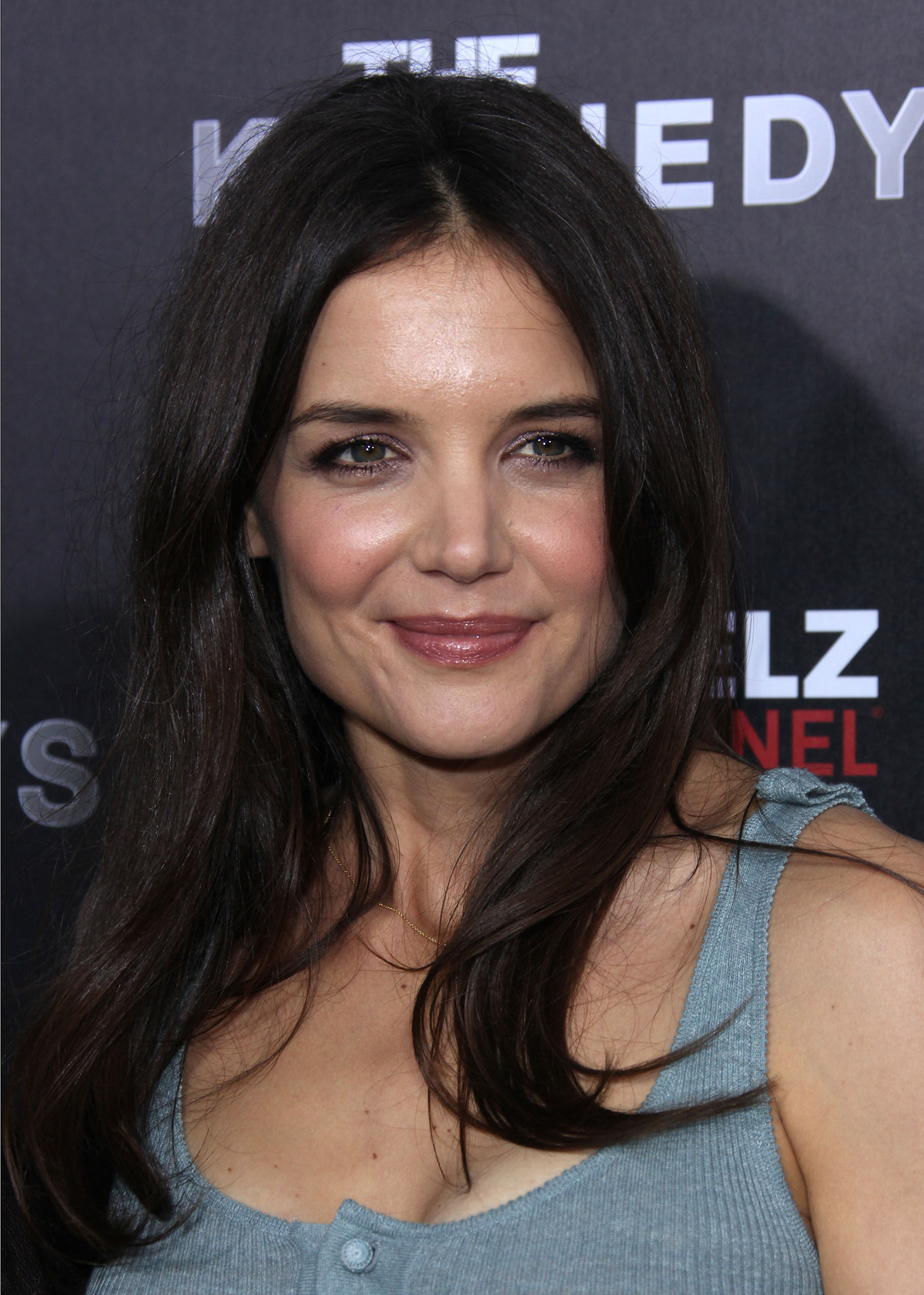
Hollywood used to have a "type." For decades, the industry's obsession with the "blonde bombshell" or the "girl next door" with honey-brown waves felt like an unbreakable rule. But look at the screen now. Things have changed. Young actresses with black hair are currently dominating the most influential franchises, indie darlings, and red carpets in a way that feels permanent, not just trendy.
It isn't just about a color palette. Honestly, it’s about a shift in how we define "the lead."
Dark hair used to be coded as "mysterious," "edgy," or the "goth best friend." Think back to the early 2000s—if a character had jet-black hair, she was usually there to provide sarcasm or cast a spell. Fast forward to 2026, and that trope is basically dead. Today, the most bankable stars in the world are leaning into their natural, deep tones, and the impact on the industry's aesthetic is massive.
Why the Industry is Moving Away from the Bleach Bottle
Maintenance is a nightmare. Anyone who has tried to keep up a platinum blonde pixie knows the struggle of toners and root touch-ups. But beyond the logistics, there is a groundedness to dark hair that fits the current "prestige TV" era. Shows like Wednesday or The Bear thrive on a certain level of grit and realism.
Jenna Ortega is the obvious starting point here. When she took on the role of Wednesday Addams, her raven braids became an instant cultural shorthand. It wasn't just a costume; it became her signature look. She’s since kept that dark, often shaggy style in her public appearances, proving that you don't need to go "Hollywood Blonde" to be the most famous person in the room.
The Power of Contrast
Directors love black hair because of how it interacts with light. On a high-definition 4K sensor, the contrast between dark hair and skin—regardless of the actress's ethnicity—creates a sharper image. It frames the face. It draws the viewer's eyes directly to the eyes of the performer.
Take a look at someone like Rachel Zegler. In West Side Story and The Hunger Games: The Ballad of Songbirds & Snakes, her dark hair provides a visual weight that feels classic yet incredibly modern. She isn't trying to fit a mold. She’s redefining it.
Then you have stars like Maitreyi Ramakrishnan. Her presence in Never Have I Ever was a turning point. For many, seeing a South Asian lead with thick, beautiful black hair wasn't just "good casting"—it was a long-overdue reflection of reality.
Breaking the Stereotypes of the "Dark-Haired Lead"
Historically, if a young woman had black hair in a movie, she was either the villain or the "alternative" choice. We’ve seen this play out for years. But the current crop of young actresses with black hair is obliterating those boxes.
They are playing the romantic leads. They are the action heroes. They are the quirky comedians.
Olivia Rodrigo, while primarily a musician, carried that same aesthetic through her time on Disney+, and it became a core part of her "relatable superstar" brand. There is a "cool girl" factor associated with dark hair now that feels more authentic than the over-processed looks of the late 2010s.
The Rise of Natural Texture
It’s not just about the color anymore; it’s about the texture. For a long time, black hair was expected to be pin-straight. Boring. Thankfully, that’s over.
Actresses like Quintessa Swindell or Rowan Blanchard have shown how dark hair looks when it's allowed to move, curl, and have volume. It feels more human. More "lived-in." You’ve probably noticed that even on the Oscars red carpet, the styling has become less "pageant" and more "personality."
- Zendaya: While she experiments with every color under the sun, her natural dark tones often coincide with her most "serious" acting roles.
- Millie Bobby Brown: She’s cycled through many looks, but her return to darker shades often signals a more mature phase of her career.
- Indya Moore: Their striking look has been a masterclass in how dark hair can be both avant-garde and incredibly sophisticated.
The Global Influence and the "K-Drama" Effect
We can't talk about this without mentioning the massive influence of South Korean cinema and television. As shows like Squid Game or movies like Parasite took over the world, the aesthetic of the "cool, dark-haired lead" became a global standard.
Actresses like Jung Ho-yeon became instant fashion icons. Her deep, natural hair color was a breath of fresh air for an audience tired of the "Barbie" aesthetic. This global exchange has made it easier for casting directors in the US to realize that audiences don't need a specific hair color to find a lead relatable. They just need talent.
Honestly, the "clean girl" aesthetic that dominated TikTok for the last couple of years really solidified this. That look—slicked-back hair, glowing skin, minimal makeup—is built around the simplicity of natural hair colors. It’s a "less is more" philosophy that has translated directly onto the big screen.
Managing the Look: What the Pros Say
If you're looking to emulate these stars, it isn't as simple as grabbing a box of "Jet Black" dye from the drugstore. In fact, most stylists warn against that. "True" black can often look flat or "inky" under harsh lights.
Professional stylists for people like Alexa Demie or Camila Mendes usually use a technique called "glossing." This adds depth without the harshness of a solid black pigment. They might mix in "midnight blue" or "cool ash" tones to ensure the hair reflects light rather than absorbing it.
- Hydration is king. Dark hair only looks good if it’s shiny. If it's dry, it looks dull and dusty.
- Avoid hard water. Mineral buildup can turn black hair into a weird, muddy brown over time.
- Use a silk pillowcase. It sounds cliché, but for maintaining that "actress-level" sheen, it’s basically mandatory.
The Future of the Aesthetic
Where do we go from here? The trend isn't slowing down. If anything, the industry is moving toward even more "untouched" looks.
We are seeing a move away from the heavy extensions that used to be mandatory in Hollywood. Young actresses are opting for shorter, healthier, dark hair that looks like something a real person would actually have. It’s a sign of a maturing industry that values the actor's performance over a rigid, outdated beauty standard.
This shift also opens doors for more diverse storytelling. When we stop demanding that every lead actress fits a specific, Eurocentric hair-color mold, we get better stories. We get more authentic performances. We get a Hollywood that actually looks like the world we live in.
Actionable Steps for Exploring This Trend
If you are following the careers of these rising stars or looking to adapt the look yourself, keep these points in mind:
- Study the "Cool Tones": Look at how actresses like Sofia Bryant or Xochitl Gomez style their hair. It’s rarely a "flat" black; there is usually a subtle cool or warm undertone that complements their skin.
- Focus on Scalp Health: The secret to that "glass hair" look seen on red carpets is a healthy scalp. Use clarifying shampoos once a week to remove product buildup that can dim the shine of dark hair.
- Follow Independent Stylists: If you want to see who is actually setting these trends, follow stylists like Lacy Redway or Chris Appleton. They are the ones behind the scenes deciding what "the look" of the next year will be.
- Watch the Indie Circuit: Most major hair trends start in A24 films or at Sundance before they hit the Marvel Cinematic Universe. Keep an eye on breakout stars in smaller films to see what the next big style shift will be.
The era of the "blonde requirement" is over. The rise of young actresses with black hair isn't just a coincidence; it's a reflection of a globalized, more authentic approach to stardom. Whether it's the gothic charm of a TV icon or the sleek elegance of a film lead, dark hair has reclaimed its place as the ultimate power move in cinema.



