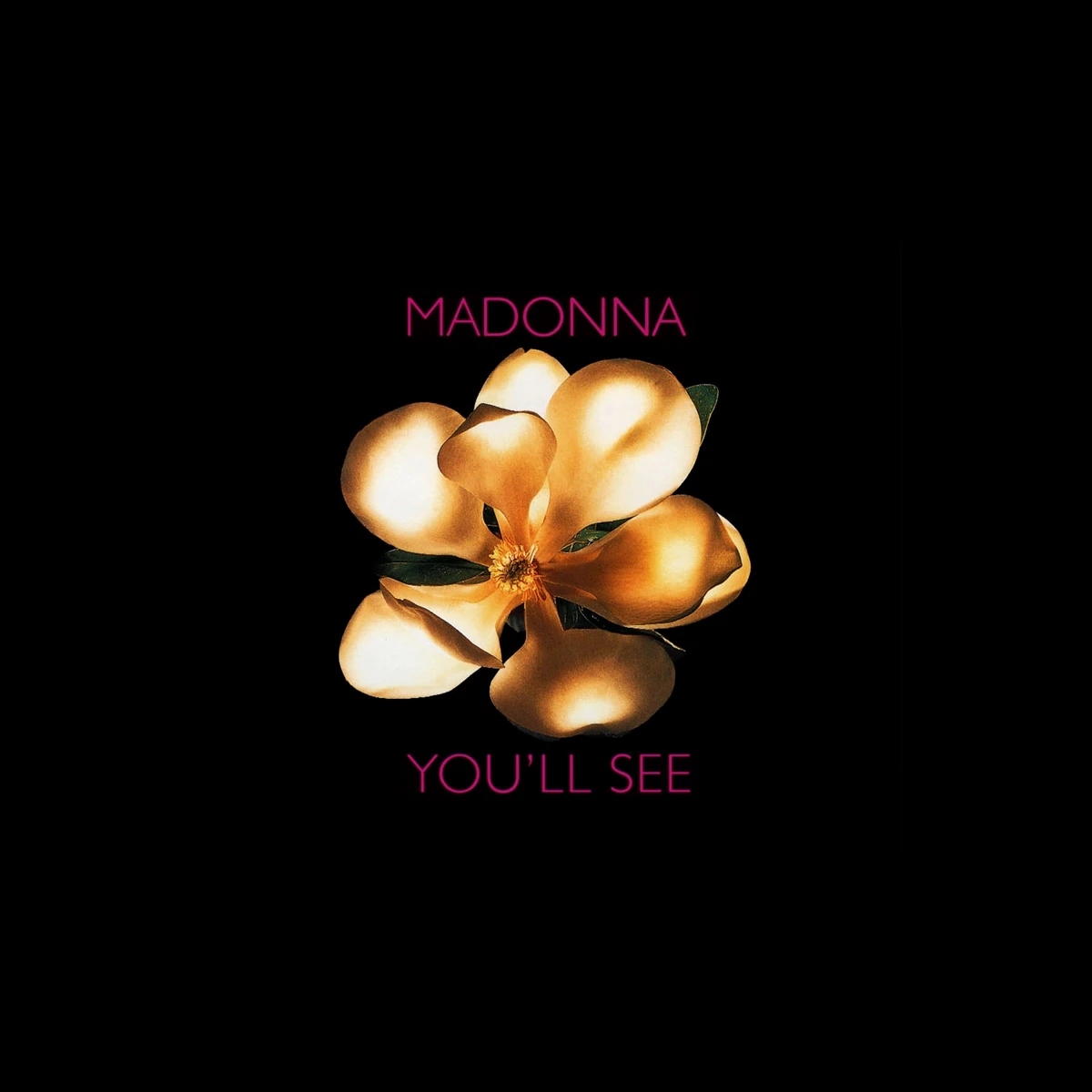
Madonna was on the ropes. Honestly, if you lived through the mid-90s, you remember the vibe. The world was exhausted by her. After the Erotica album, the Sex book, and that infamous, swear-heavy appearance on David Letterman, the public was ready to write her off as a shock-tactic relic. People thought she was done.
Then came "You'll See."
It wasn't a dance track. No synths, no club beats. Just a haunting Spanish guitar, a cold October morning in London, and a vocal performance that sounded like a woman who had finally stopped trying to provoke and started trying to survive. When we talk about You'll See, we aren't just talking about a ballad; we're talking about the moment Madonna proved she could outlast the hate.
The "Take a Bow" Sequel No One Expected
Most people don't realize this, but You'll See is actually a "Part 2." It’s the only time in her entire career she’s done a direct sequel to a song and a music video.
In 1994, she released "Take a Bow," where she played a woman hopelessly in love with a bullfighter (played by real-life matador Emilio Muñoz) who treated her like garbage. She was vulnerable. She was the victim. But by the time she got into the studio with David Foster in 1995 to record new tracks for her ballads compilation Something to Remember, the narrative shifted.
Foster, the king of the "big" ballad, brought a different energy. He’s the guy behind Celine Dion and Whitney Houston hits, but with Madonna, it stayed grittier. The song starts with these delicate castanets and wind chimes, but then that bass kicks in. It's heavy. It’s somber.
The lyrics are basically a middle finger to anyone who ever doubted her. "You think that I can't live without your love? You'll see." It’s simple. Devastatingly so. While "Take a Bow" was about the pain of being left, You'll See is about the power of walking away.
Turning the Tables in the Music Video
The video, directed by Michael Haussman, picks up exactly where the last one left off. Madonna is on a train, leaving the bullfighter behind. He’s chasing after her, looking desperate, while she’s draped in high-fashion Versace and Dolce & Gabbana, looking like she couldn't care less.
There's this one shot of her on a plane, looking out the window, that feels so cinematic and final. It wasn't just about a guy. It was about the media, the critics, and the industry. She was telling them all: I’m still here, and I don’t need your permission to stay.
The Vocals: Preparing for Evita
If you listen closely to her voice on this track, it sounds different than the "Like a Virgin" days. It’s fuller. More controlled.
She was actually in the middle of vocal training for the movie Evita at the time. She later admitted that she was trying to apply those new "theatrical" techniques to the recording of You'll See. You can hear it in the way she holds the notes in the bridge. She isn't just singing; she's performing.
It paid off. The song hit number six on the Billboard Hot 100. That gave her a weird, record-breaking statistic: she became one of the only artists in history to have a hit peak at every single position from one to ten on the charts.
What Most People Get Wrong About the "Revenge"
A lot of fans call this a "revenge" song. Madonna herself kind of disagreed. In interviews from that era, she said it wasn't about getting back at someone. It was about "empowering yourself."
She described the vibe as: "Don’t mess with me, I don’t need anybody."
It’s an interesting distinction. Revenge requires you to still care about what the other person thinks. Empowerment is when you stop caring entirely. That’s the "secret sauce" of why this song still shows up on breakup playlists thirty years later. It’s not bitter; it’s stoic.
The Versace Connection
Interestingly, the visual era of this song was tied heavily to her work with Gianni Versace. The photos used for the Something to Remember album cover were actually from a Versace ad campaign shot by Steven Meisel. She was leaning into this "90s minimalism" look—very sleek, very "quiet luxury" before that was even a term. It helped wash away the "raunchy" image from a few years prior and made people take her seriously as an adult contemporary artist.
Why You Should Revisit It Now
If you only know Madonna for "Hung Up" or "Material Girl," you’re missing the most interesting version of her. You'll See represents the peak of her "Ballad Era."
It’s a masterclass in:
- Atmospheric Production: The way the Spanish guitar interacts with the synth strings.
- Lyrical Economy: She doesn't use big, flowery words. She uses short, punchy sentences that hit like a physical weight.
- Vocal Evolution: It’s the bridge between the pop star and the musical theater actress.
Take Action: How to Experience the Best of This Era
If you want to dive deeper into this specific "vibe" of Madonna’s career, don't just stop at the single.
First, watch the music videos for "Take a Bow" and You'll See back-to-back. It’s a ten-minute short film about a toxic relationship ending. Then, track down the Spanish version, "Verás." Madonna’s pronunciation is surprisingly solid, and the Latin-tinged arrangement feels even more natural with the Spanish lyrics.
Finally, check out her live performance of it from the Drowned World Tour in 2001. She performed it solo on stage, stripped of the big production, and it proves that the song doesn't need the bells and whistles to work. It’s just a great piece of songwriting that reminds us why she’s still the Queen.
You can find the remastered 4K version of the music video on her official YouTube channel—it's worth it just for the 90s fashion alone.



