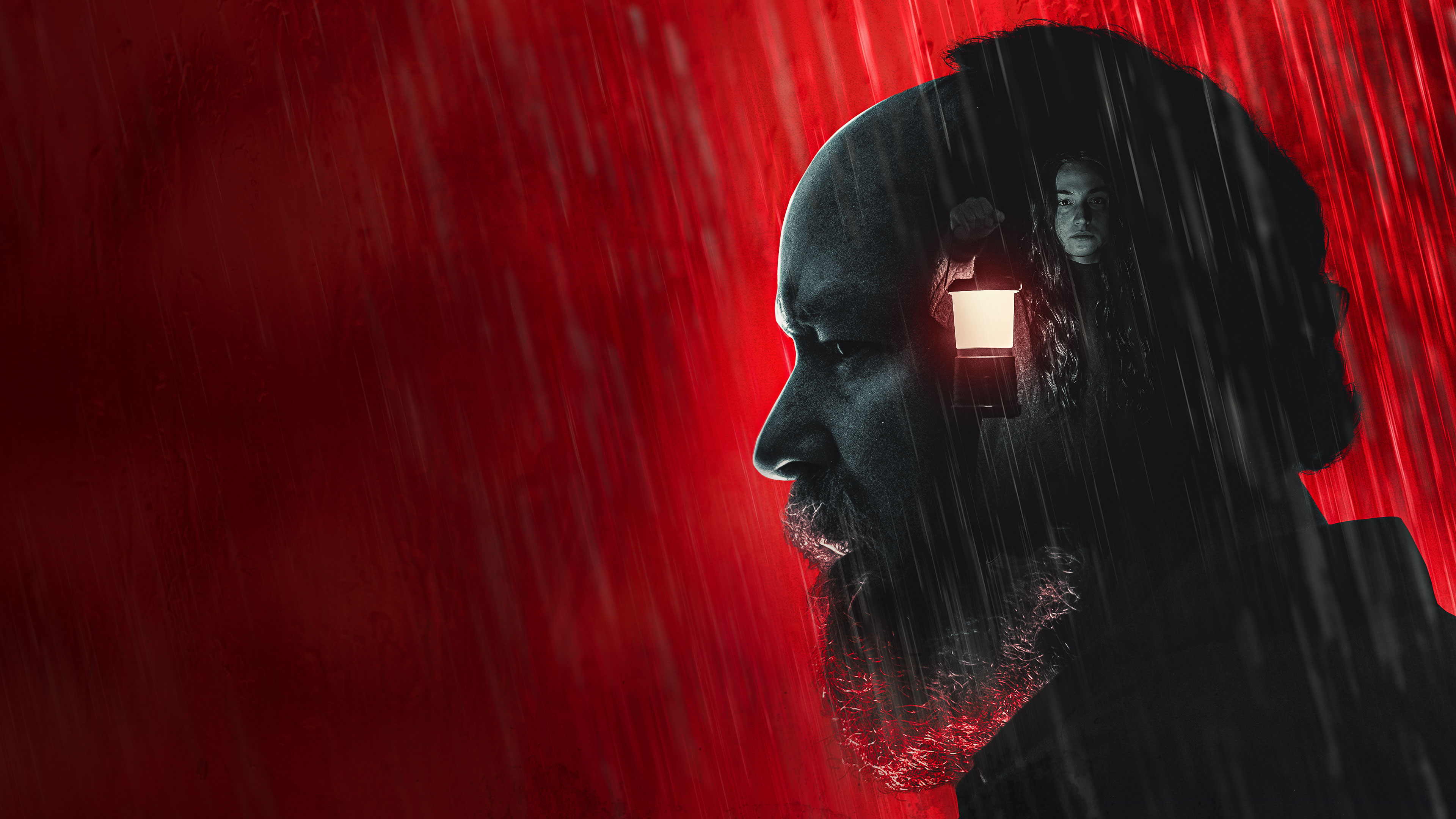
Isolation does weird things to the brain. We think we know how we’d react if a stranger knocked on our door during a torrential storm, but the reality is usually messier, quieter, and way more awkward. That’s exactly the nerve that the 2024 Australian horror-thriller You'll Never Find Me pushes on until it bruises. It isn't a movie about jump scares or CGI monsters. Honestly, it’s much worse than that. It’s a film about the suffocating weight of suspicion and the terrifying realization that the person sitting three feet away from you might be a predator—or a victim. Or maybe both.
Patrick, an isolated man living in a dilapidated mobile home, seems harmless at first. Then a young woman, drenched and shivering, appears at his door in the middle of a literal tempest. You’ve seen this setup a thousand times, right? Usually, the girl runs into the woods or the guy reveals a chainsaw in the first ten minutes. But directors Josiah Allen and Indianna Bell play a much slower, meaner game. They trap us in that cramped living room for nearly ninety minutes. The air feels heavy. You can almost smell the damp carpet and the cheap booze. By the time the credits roll, you’re left questioning everything you just saw, which is why the internet hasn't stopped arguing about the ending since it hit Shudder.
The Psychology of the RV: Why You'll Never Find Me Works
Most horror movies rely on "the big bad." You have a ghost, a masked killer, or a demon. You'll Never Find Me strips all that away to focus on the terrifying ambiguity of human interaction. We spend the first two acts trying to figure out who we should be rooting for. Patrick, played with a twitchy, eerie desperation by Brendan Rock, claims he’s just a lonely guy trying to be helpful. The visitor, played by Jordan Cowan, is guarded, sharp, and clearly terrified.
The brilliance of the script lies in the power dynamic. It shifts constantly. One second, you feel sorry for Patrick because he seems like a discarded soul living on the fringes of society. The next, a line of dialogue or a lingering look makes your skin crawl. This isn't just "shaky cam" horror; it’s a masterclass in blocking and sound design. Every creak of the trailer, every thud of the rain on the aluminum roof, and the way the camera lingers on a glass of spiked water creates a sense of dread that is genuinely hard to shake. It taps into that primal fear of being trapped in a small space with a stranger whose intentions are a complete mystery.
Decoding That Mind-Bending Third Act
If you’re looking for a neat, tidy explanation for what happens in the final twenty minutes, you’re going to be disappointed. Or maybe thrilled. The film moves from a grounded psychological drama into something much more surreal and nightmarish.
As the night progresses, the "reality" of the trailer begins to fracture. We start seeing things that don’t make sense—clocks moving, objects appearing, and a shifting sense of time. Many viewers have theorized that the entire film is a manifestation of guilt. There are heavy hints that Patrick has done this before. The title itself, You'll Never Find Me, feels like a taunt. Is it the visitor saying it to her family who will never find her body? Or is it Patrick’s psyche telling him that his secrets are buried too deep to ever be uncovered?
There is a specific, recurring motif of jewelry and lost items that suggests a history of violence. The "visitor" might not even be a physical person by the end of the movie. She might be a composite ghost of all the women Patrick has harmed, a collective psychic break coming home to roost. Or, she’s a real person who just happened to walk into a lion’s den and had to fight her way out. The film refuses to hand you the answer on a silver platter. It demands that you look at the clues—the earrings, the way Patrick talks about his "wife," the sheer impossibility of the storm—and decide for yourself.
How the Sound Design Becomes a Character
Let's talk about the audio for a second because it’s insane. Most low-budget thrillers ignore sound design or use stock "scary" noises. Bell and Allen did the opposite. They used the sound of the rain to create a sonic prison.
- The low-frequency hum of the electrical system makes you feel anxious without knowing why.
- The rhythmic tapping of the rain mimics a heartbeat that is slowly speeding up.
- The silence is used as a weapon, making the sudden bursts of dialogue feel like physical blows.
It’s an incredibly tactile film. You feel the cold. You feel the stickiness of the kitchen table. When Patrick offers her a drink, the sound of the liquid pouring is heightened to the point of being nauseating. This is "sensory horror" at its best. It doesn't need a $100 million budget to make you want to jump out of your skin; it just needs a well-placed creak in a quiet room.
The Australian New Wave of Horror
Australia has a long history of "outback horror" like Wolf Creek or The Babadook, but You'll Never Find Me represents a new shift. It’s more internal. It’s about the "loneliness epidemic" turned into a slasher movie without the slashing. It reflects a modern anxiety about how little we know our neighbors and how easy it is to disappear in plain sight.
Brendan Rock’s performance is particularly noteworthy here. He doesn't play a monster. He plays a man who is incredibly sad, which makes his potential for violence so much more disturbing. We want to believe people are either "good" or "evil," but Patrick lives in that gray area that makes us deeply uncomfortable. He’s the guy you see at the grocery store and forget five minutes later. The movie suggests that the most dangerous people aren't the ones hiding in the shadows; they’re the ones hiding in plain sight, behind a polite smile and a "cup of tea."
Addressing the Common Criticisms
Some people hate the ending. I get it. We are conditioned by modern cinema to expect a "twist" that explains everything—like The Sixth Sense or Saw. When a movie like You'll Never Find Me opts for metaphorical ambiguity instead of a literal explanation, it can feel like a "cheat."
But is it? If the movie explained exactly who the girl was and exactly what Patrick did, the fear would vanish. The fear lives in the not knowing. Once you name the monster, it loses its power. By keeping the ending open to interpretation, the directors ensure the movie stays in your head for days. You find yourself replaying scenes, looking for the one detail you missed that would make it all click. That’s not a failure of storytelling; that’s the definition of a successful thriller.
Practical Takeaways for Your Next Rewatch
If you’re going back in for a second viewing of You'll Never Find Me, or if you haven't seen it yet and want to catch the details, pay attention to these specific things:
- The Wardrobe Changes: Look at how the characters’ appearances subtly shift as their power levels change.
- The "Visitor’s" Knowledge: Listen closely to what the girl knows about Patrick that she shouldn’t. It’s the first hint that something supernatural or psychological is happening.
- The Lighting Transitions: The movie starts with warm, sickly yellows and moves into cold, harsh blues and blacks. It’s a visual representation of the hope draining out of the room.
- The Objects in the RV: Everything in that trailer has a story. The clutter isn't just set dressing; it’s a graveyard of Patrick’s past.
The real "horror" of this film isn't the threat of death. It's the tragedy of a wasted life and the inevitable way that the past catches up to the present. You can run, you can hide in a trailer in the middle of nowhere, and you can lock the door, but eventually, the rain is going to get in.
Actionable Steps for Horror Fans
If this movie resonated with you, there are a few things you should do to deepen the experience. First, watch it with high-quality headphones. The soundscape is 50% of the storytelling, and you lose half the tension if you’re just listening through tinny TV speakers.
Second, check out the short films by the same directing duo. You can see the seeds of this movie being planted in their earlier work, particularly in how they handle suspense in limited locations.
Finally, stop looking for a "true" explanation on Reddit. The most powerful version of the story is the one that you felt while watching it. Whether it's a ghost story, a crime thriller, or a fever dream about guilt, all those interpretations are valid because the film is designed to be a mirror. It reflects your own fears back at you. If you found Patrick sympathetic, that says one thing. If you found him purely predatory from the first frame, that says another. That’s the magic of the genre.



