Snow is falling hard in Duluth. A young, pregnant widow named Francesca travels to a gloomy mansion to meet her mother-in-law for the very first time. She’s looking for a family connection, a place to belong after her husband was killed in Vietnam. What she finds instead is a cold, steel-eyed woman and a house full of secrets that feel like a physical weight. Honestly, if you haven’t seen it, You'll Like My Mother is one of those rare 1970s gems that manages to be deeply unsettling without relying on cheap jump scares or buckets of gore. It’s about atmosphere. It’s about that specific kind of dread that builds in your gut when you realize the person smiling at you doesn't mean you well.
Released in 1972, the film stars Patty Duke and Rosemary Murphy. It’s based on the novel by Naomi A. Hintze. Most people today might overlook it because it isn't a "slasher" in the traditional sense, but it predates many of the tropes we see in modern "elevated horror." It’s claustrophobic. It’s mean. And it’s surprisingly smart about how it handles the vulnerability of its protagonist.
What Actually Happens in You'll Like My Mother
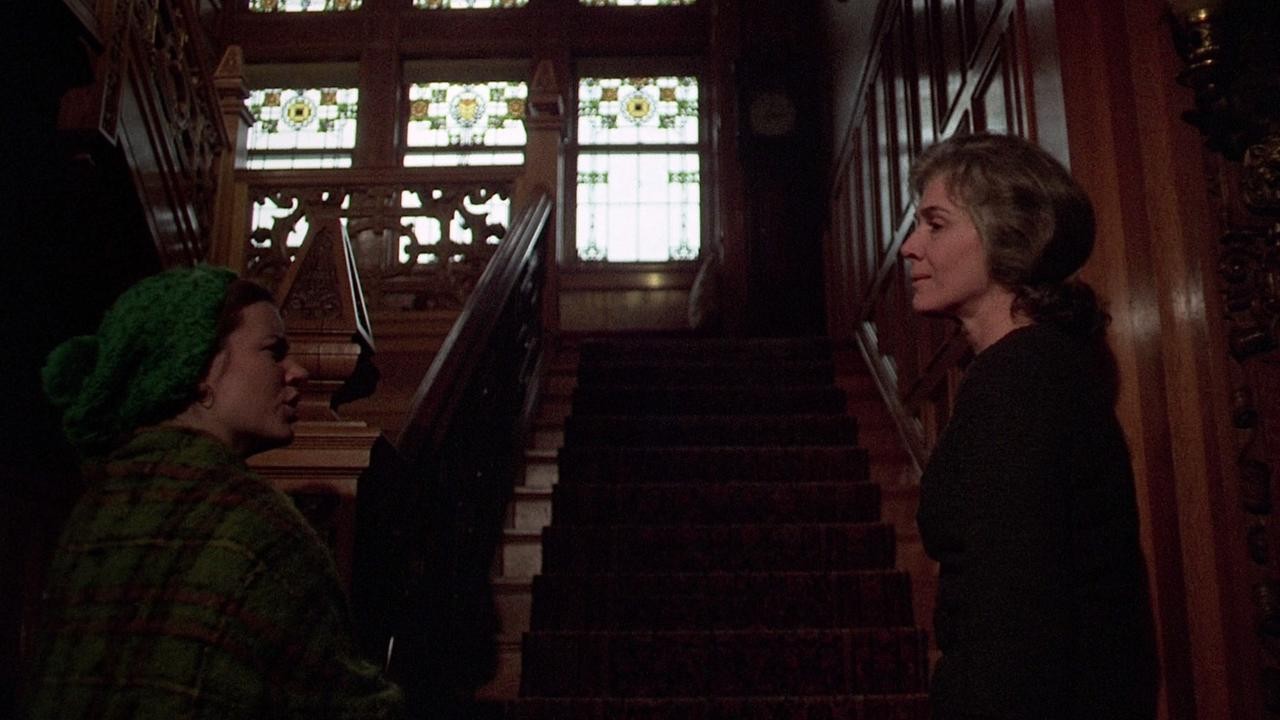
The setup is deceptively simple. Francesca (Patty Duke) arrives at the Kinsolving estate. She’s grieving. She’s very pregnant. She just wants to meet the mother of her late husband, Matthew. But the mother-in-law, Maria (Rosemary Murphy), is anything but welcoming. She’s icy. She tells Francesca to leave, but a massive blizzard traps them both inside. That’s when things get weird.
Francesca starts noticing inconsistencies. There’s a "daughter" in the house, Kathleen (Sian Barbara Allen), who is cognitively disabled and seemingly terrified of Maria. There are whispers of a brother who died—or didn't. The brilliance of You'll Like My Mother lies in the pacing. Director Lamont Johnson doesn't rush to the "scary parts." He lets the isolation of the Minnesota winter do the heavy lifting. You feel the cold. You feel the literal and metaphorical walls closing in on Francesca as she realizes the family she tried to join is a nightmare.
The Patty Duke Factor
Patty Duke was already an Oscar winner by the time this came out. She brings a grounded, gritty reality to Francesca. Often in these "woman in peril" movies, the lead can feel like a caricature, but Duke makes her feel like a person who is genuinely trying to survive. She’s smart. She’s observant. When she realizes she’s being drugged, she doesn't just scream; she starts planning.
It's actually pretty interesting to compare this role to her earlier work. She had this incredible range, and here, she plays the "everywoman" stuck in an extraordinary situation with such sincerity that you’re right there with her. You're holding your breath when she's trying to sneak down those creaky stairs.
Why the 1970s Aesthetic Works So Well
There’s something about 1970s cinematography that makes everything look slightly sickly. The browns, the greys, the muted lighting. In You'll Like My Mother, this isn't an accident. The Kinsolving mansion feels like a tomb. It’s a huge contrast to the "flower power" optimism that was still lingering in some parts of the culture in '72. This movie is cynical. It’s part of that post-Vietnam wave of cinema where the "safe" institutions—like family and home—are actually the most dangerous places you can be.
The film was shot on location in Duluth, Minnesota, specifically at the Glensheen Historic Estate. If you’ve ever been there, or seen photos of it, you know it’s a stunning piece of architecture. But on film, it looks menacing. The heavy wood paneling and the vast, empty rooms emphasize how alone Francesca really is. It’s a masterclass in using location as a character.
Breaking Down the Psychological Horror
The "horror" here is mostly psychological. It’s about gaslighting. Long before "gaslighting" became a buzzword on social media, Maria Kinsolving was doing it to Francesca. She tells her she’s imagining things. She controls her food, her movement, and her access to the outside world.
Rosemary Murphy’s performance is terrifying because she’s so controlled. She doesn't have to yell to be scary. She just has to look at you. It’s a very domestic kind of evil. It’s the evil of a woman who will do anything to maintain the "purity" or the reputation of her family name, even if it means destroying the people within it.
Common Misconceptions About the Movie
Some people go into this expecting a supernatural ghost story. It’s not. There are no ghosts. The monsters are purely human. Another misconception is that it’s a slow, boring "old" movie. While the pacing is deliberate, the tension is constant.
- It isn't a "slasher" film.
- It’s more of a "psycho-biddy" or "Hagsploitation" adjacent film, though much more refined than something like What Ever Happened to Baby Jane?
- The plot twists aren't just for shock value; they actually make sense within the twisted logic of the Kinsolving family.
The film also features Richard Thomas, just as he was becoming a household name on The Waltons. Seeing him play a character so wildly different from "John-Boy" is a shock to the system for anyone who grew up with that show. He’s fantastic in it, but he’s genuinely unsettling.
The Legacy of the Kinsolving Mansion
The Glensheen estate where they filmed has its own dark history, which adds another layer of creepiness for modern viewers. Years after the film was made, a real-life double murder occurred at the mansion. In 1977, Elisabeth Congdon and her nurse were killed there. While this has nothing to do with the fictional plot of You'll Like My Mother, it’s impossible to watch the movie now without thinking about the real-world tragedy that eventually unfolded within those same walls. It’s like the house itself was destined to be associated with dark deeds.
Critical Reception and Cult Status
When it was released, the movie did okay, but it didn't set the world on fire. Critics liked Patty Duke’s performance, but some felt the ending was a bit abrupt. Over time, though, it’s gained a serious cult following. People who saw it on late-night TV in the 80s and 90s never forgot it. It’s one of those movies that sticks in your brain because of its sheer coldness.
The DVD and Blu-ray releases by companies like Scream Factory have helped keep it alive. They’ve included interviews and behind-the-scenes info that show just how much work went into creating that oppressive atmosphere. It’s a film that demands to be rediscovered by fans of Hereditary or Barbarian because it explores similar themes of family rot and domestic traps.
How to Watch It Today
If you want to dive into this piece of 1972 thriller history, you’re in luck. It’s usually available on various streaming platforms or for digital rental.
- Look for the Scream Factory Blu-ray: This is the gold standard if you want the best picture quality. The 70s grain looks great in high definition.
- Pay attention to the sound design: The wind howling outside the mansion is almost constant. It’s a brilliant way to remind the audience that there is no escape.
- Watch it on a cold, rainy night: Truly, the best way to experience the "Duluth winter" vibe.
Actionable Steps for Film Fans
If you're a fan of psychological thrillers or "hidden gems" from the 70s, there are a few things you should do after watching this one.
First, read the original novel by Naomi A. Hintze. It provides a bit more internal monologue for Francesca and fleshes out Maria’s motivations even further. Second, look into the "hagsploitation" subgenre. While this film is a "classier" version of it, it fits into that fascinating era where older actresses were given meatier, darker roles in horror and suspense films.
Finally, check out other films by Lamont Johnson. He had a way of handling tension that was very specific to that era of television and film. He knew how to make a small space feel like a universe.
You'll Like My Mother isn't just a clever title; it’s a warning. It’s a reminder that sometimes the people who should be our family are the ones we need to run from the fastest. It’s a sharp, icy piece of filmmaking that has aged remarkably well, mostly because human cruelty and the fear of isolation are timeless. If you want a movie that relies on performance and mood rather than CGI and jumpscares, this is the one. Just make sure the doors are locked before you start.
Key Takeaways for Your Watchlist
- Focus on the atmosphere: Don't expect a fast-paced action movie. Let the dread sink in.
- Appreciate the performances: Patty Duke and Rosemary Murphy are at the top of their game here.
- Historical Context: Remember this was 1972. The cynicism of the era is baked into every frame.
- The Location: Knowing about the Glensheen Mansion adds a layer of "meta" creepiness to the viewing experience.