If you think you know every corner of the Fab Four’s discography because you’ve hummed along to Yesterday or sat through the eight-hour marathon of Get Back, you're probably wrong. There’s a dusty, strange, and frankly hilarious corner of their history that sounds less like a stadium-filling rock band and more like two teenagers messing around in a bathroom with a cheap tape recorder. That’s where you'll be mine beatles lives. It isn't a polished studio track. It isn't even a "song" in the traditional sense. It is a glimpse into the chaotic, creative, and slightly absurd friendship of John Lennon and Paul McCartney before the world decided they were gods.
Recorded in 1960, this track is a parody. It’s a joke. It’s also one of the few pieces of evidence we have of what the band sounded like when they were just "The Beatles" in a Liverpool living room, long before George Martin or Abbey Road entered the frame.
The Raw Reality of You'll Be Mine Beatles
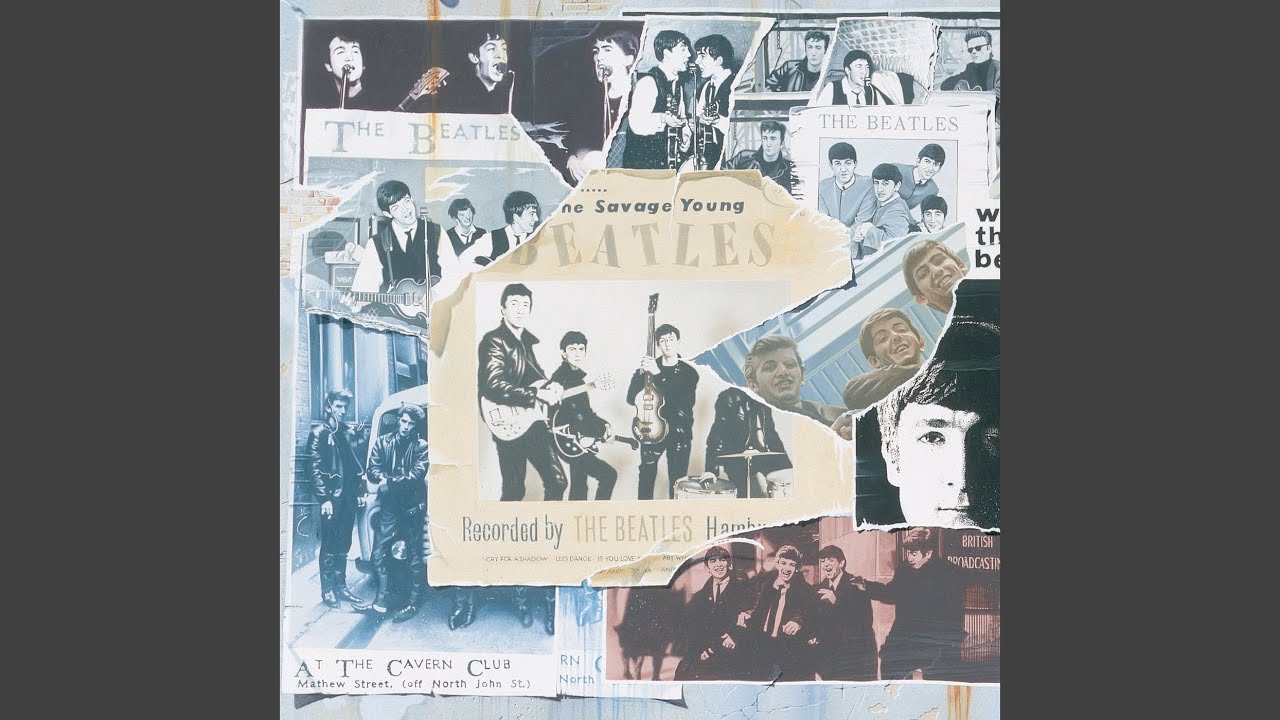
Most people discover this track on Anthology 1. When it hits your ears, the first thing you notice is the quality. It’s rough. It’s lo-fi. It sounds like it was recorded through a thick woolen sock. That's because it basically was. Recorded at 20 Forthlin Road—Paul’s family home—on a Grundig open-reel tape recorder, the song captures the band in their absolute infancy.
John Lennon takes the lead here, but he isn’t singing in that iconic, searing rock voice we know from Twist and Shout. Instead, he’s doing a weird, exaggerated baritone. He’s mocking the "Ink Spots," a popular vocal group from the era known for their deep-voiced spoken-word interludes. If you listen closely, you can hear the sheer silliness of it. Paul provides backing vocals that are equally over-the-top.
It’s short. Barely two minutes. But it tells us everything about their dynamic.
While the world sees Lennon and McCartney as these monolithic figures of 20th-century art, you'll be mine beatles shows them as goofy kids. They were obsessed with R&B and doo-wop, but they weren't just copying it—they were deconstructing it. They were laughing at the tropes of the music they loved while simultaneously trying to master them. Honestly, the spoken word section where John mumbles about "my love for you" is peak teenage humor. It’s the kind of thing you’d record with your best friend at 2 AM when everything feels funnier than it actually is.
Who Actually Played on the Track?
The lineup on these home recordings is often debated by hardcore collectors, but the consensus for this specific session includes John, Paul, and George Harrison. Stuart Sutcliffe, the "fifth Beatle" and the band’s original bassist, was likely there too. Interestingly, there’s no real drumming to speak of—just a rhythmic thumping that might be a snare or just someone hitting a guitar case.
- John Lennon: Lead vocals (the "funny" voice) and rhythm guitar.
- Paul McCartney: Backing vocals and harmony.
- George Harrison: Lead guitar (you can hear his distinct, if unpolished, attempts at a bluesy solo).
It’s a far cry from the wall of sound they’d produce just three years later. Here, they are vulnerable. You can hear the room. You can hear the floorboards. You can hear the lack of a professional producer telling them to "take it seriously."
Why This Song Is a Turning Point for Collectors
For decades, these home tapes were the "Holy Grail" of Beatles bootlegs. When Anthology 1 was released in 1995, it was the first time many fans heard you'll be mine beatles in anything resembling decent quality. Before that, you had to hunt down sketchy vinyl pressings in the back of independent record stores.
The significance isn't in the melody. Let’s be real: as a song, it’s pretty bad. The lyrics are repetitive, and the structure is messy. However, as a historical document, it’s priceless. It proves that the Beatles didn't just appear fully formed in 1962 with Love Me Do. They spent years being terrible, being funny, and being experimental in private.
Think about the context. In 1960, the UK was still under the shadow of post-war austerity. These kids were creating their own entertainment because there wasn't much else to do. They didn't have TikTok or YouTube to broadcast their sketches. They had a tape recorder and each other.
The Influence of the Ink Spots
To understand why John is making that weird voice, you have to know the Ink Spots. They were huge. Their song "Java Jive" or "If I Didn't Care" featured a specific formula: a high tenor lead followed by a deep-voiced bass singer "talking" to the listener in the middle of the song.
John loved this stuff. But he also thought it was ripe for parody. In you'll be mine beatles, he’s specifically mocking the "talking bass" part. When he says, "My darling, you've been mine for a long time," he’s leaning into the melodrama. It’s a precursor to the wit he’d later display in his books, In His Own Write and A Spaniard in the Works. It’s surrealist humor. It’s John being John.
The Technical Mess of Forthlin Road
If you've ever tried to record a band in a small room, you know it's a nightmare. Now imagine doing it in 1960 with one microphone. The balance is all wrong. The guitars are too loud, the vocals are distant, and there’s a constant hiss.
Yet, there’s a warmth to it.
Mark Lewisohn, the definitive Beatles historian, has often pointed out that these early tapes are vital because they show the "pre-Hamburg" Beatles. Before they went to Germany and played eight hours a night, they were just a skiffle-influenced group trying to find a "beat." You can hear the transition happening in real-time. They are moving away from the folk-style skiffle of Lonnie Donegan and toward the hard-driving rock and roll of Little Richard and Elvis.
Does it hold up?
Kinda. It depends on what you're looking for. If you want a catchy tune, you'll be disappointed. If you want to feel like a fly on the wall in the McCartney household while Jim McCartney (Paul’s dad) was probably in the other room telling them to turn it down, then it's a masterpiece.
It’s one of the few original compositions from that era that survived. Most of their early songs were lost or never recorded. The fact that we have a recording of you'll be mine beatles is a minor miracle. It escaped being taped over or thrown in the bin during a spring cleaning.
Identifying the "Beatles Humor" Early On
The "Beatles Humor" became a global phenomenon during the press conferences of 1964. The dry wit, the sarcasm, the refusal to take fame seriously—it was all there in 1960.
In this track, you hear the blueprint for the Christmas Records they would later send to their fan club. It’s that same sense of "we’re in on the joke, and you are too." They weren't just musicians; they were entertainers who enjoyed the absurdity of performance.
- The Spoken Interlude: This is the highlight. John's mumbling is almost incoherent, which was the point. He was making fun of the sincerity of 1950s pop.
- The Scream: At the end, there’s a high-pitched wail. It’s a mocking tribute to the "shouters" of rock and roll.
- The Harmony: Even when they were joking, Paul and John's voices locked together. That "merseybeat" sound was already starting to bake into their DNA.
Misconceptions About the Song
A lot of casual fans think this was a "lost single." It wasn't. It was never intended for release. If you find a website claiming it was a rejected track from Please Please Me, they're wrong. By the time the Beatles got to a real studio, they had written much better material like I Saw Her Standing There.
Another misconception is that it’s a cover. While it borrows heavily from the style of the Ink Spots and other doo-wop groups, it is technically an original Lennon-McCartney composition. It’s one of the earliest examples of their songwriting partnership, even if the "songwriting" involved was mostly improvising nonsense over three chords.
How to Listen to It Today
If you want the best experience, don't just stream it on a tiny phone speaker. Put on some decent headphones.
You’ll hear things you missed. You can hear the acoustic guitars vibrating against each other. You can hear someone—likely Paul—giggling in the background. You can hear the sheer lack of ego. They didn't know they were going to change the world. They just wanted to hear what they sounded like on tape.
Actionable Steps for Fans and Collectors
If you're fascinated by this era of the band, there are a few things you should do to go deeper:
Visit 20 Forthlin Road If you’re ever in Liverpool, the National Trust owns Paul’s childhood home. Standing in the room where you'll be mine beatles was recorded is a surreal experience. You realize how tiny the space was. You see the acoustics (or lack thereof) that shaped their early sound.
Check out the "Quarrymen" recordings If you like the raw sound of this track, look for the 1958 recording of In Spite of All the Danger. It’s the only other surviving recording of the group from before they were truly "The Beatles." It features John, Paul, and George, along with John Lowe on piano and Colin Hanton on drums.
Analyze the lyrics as "Anti-Pop" Read the lyrics of 1950s hits by Pat Boone or The Platters. Then listen to John’s delivery on this track. You’ll see it’s an early form of satire. It’s a great way to understand the rebellious nature of the band before they had "the look."
Explore the "Anthology" liner notes The book version of The Beatles Anthology provides more context from the band members themselves about these home sessions. Paul recalls the excitement of simply owning a tape recorder. It was high-tech for them at the time.
Listen for George's Solo Pay close attention to George Harrison's contribution. He was younger than the others and desperate to prove himself as a "lead" guitarist. His playing here is tentative, but you can hear him trying to mimic the rockabilly style of Carl Perkins.
Understanding you'll be mine beatles is about understanding the human side of the greatest band in history. It strips away the suits, the screaming girls, and the stadium lights. It leaves you with three kids in a living room, a cheap microphone, and a lot of laughter. That’s where the magic actually started. Not in a boardroom or a high-end studio, but in the middle of a parody song that was never meant to be heard by anyone but them.



